Formula 1 is a sport where every detail counts, from aerodynamics to engine performance. But one element that often goes unnoticed by casual fans is the tyre thickness and width.
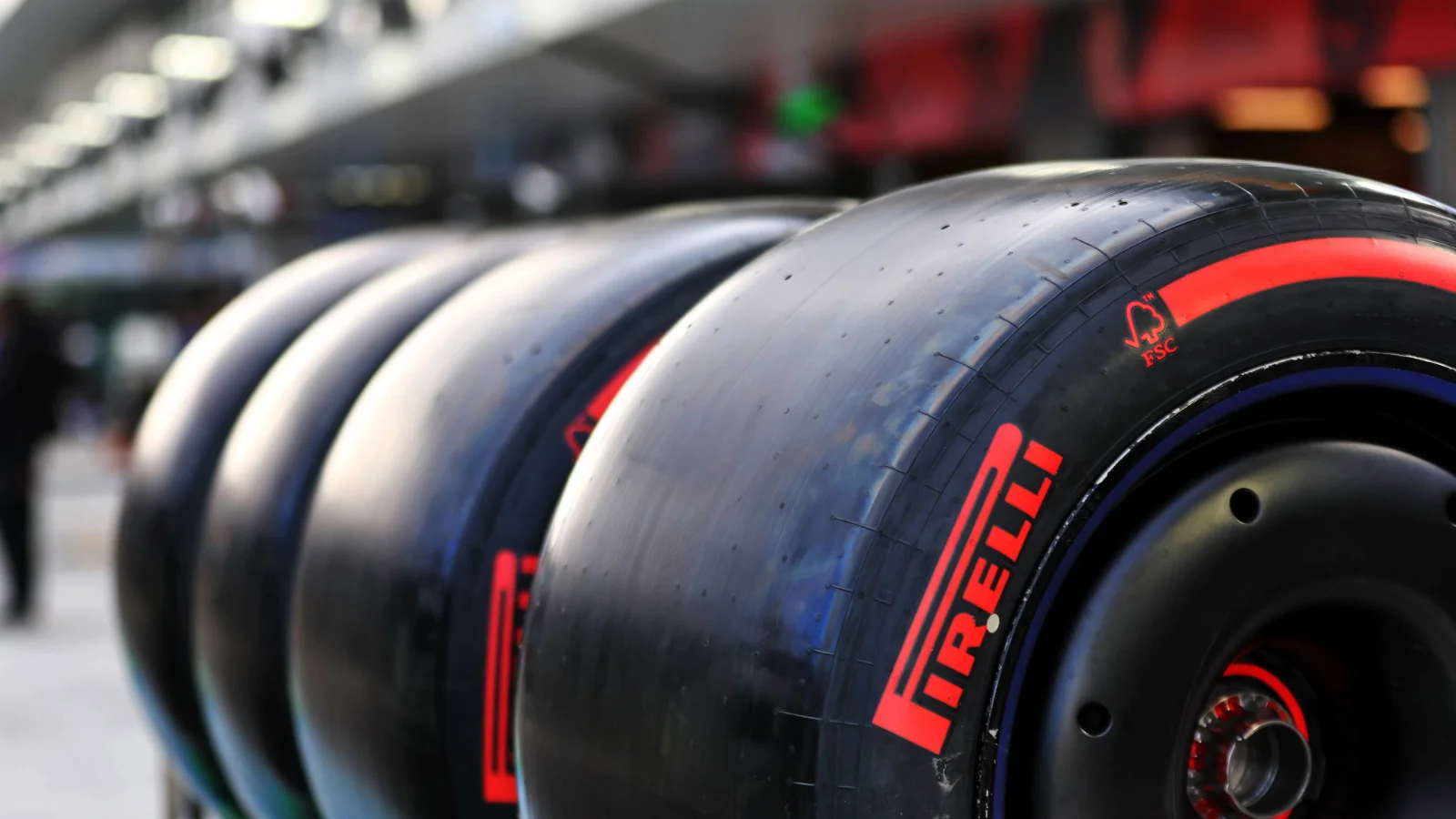
The tyres are not just rubber; they are highly engineered components designed to maximize grip, handling, and speed. This article explores how thick Formula 1 tyres are, why their width matters, and how it affects the overall performance of F1 cars.
Meanwhile, if you are looking to Tongits go start playing, check out GameZone!
The basics of F1 tyre sizes


When talking about Formula 1 tyres, there are two main dimensions to consider: width and sidewall height (or profile).
- Front tyres: Modern Formula 1 front tyres are about 305 mm wide.
- Rear tyres: Rear tyres are wider to provide more traction, usually around 405 mm.
- Sidewall thickness: The sidewall, which connects the tread to the wheel rim, is relatively thin compared to regular road tyres. Formula 1 tyres have a low-profile sidewall, roughly 65–70 mm in height, depending on the tyre compound and season regulations.
The overall thickness of a Formula 1tyre is carefully calculated to balance grip, cornering stability, and compliance with FIA regulations. Unlike everyday car tyres, which prioritize comfort and longevity, F1 tyres prioritise maximum performance for a short lifespan.
Why F1 tyre thickness matters
The thickness of the tyre, both in tread and sidewall, directly affects a car’s performance:
- Grip and Contact Patch: Wider and slightly thicker tyres allow a larger contact patch with the track. A bigger contact patch increases friction, which is crucial when accelerating out of corners. The rear tyre’s greater width helps distribute engine power effectively, preventing excessive wheelspin.
- Cornering Stability: The sidewall thickness plays a key role in cornering. Thicker sidewalls can flex more, giving drivers some feedback and stability through high-speed turns. Formula 1 tyres, however, have minimal sidewall flex, which allows for sharper handling and more precise steering.
- Heat Management: Tyres generate massive heat during a race. Proper thickness ensures the tyre can maintain optimal temperature without overheating or degrading too quickly. Formula 1 tyre manufacturers, like Pirelli, design each tyre to perform within a specific temperature window, making thickness critical for performance consistency.
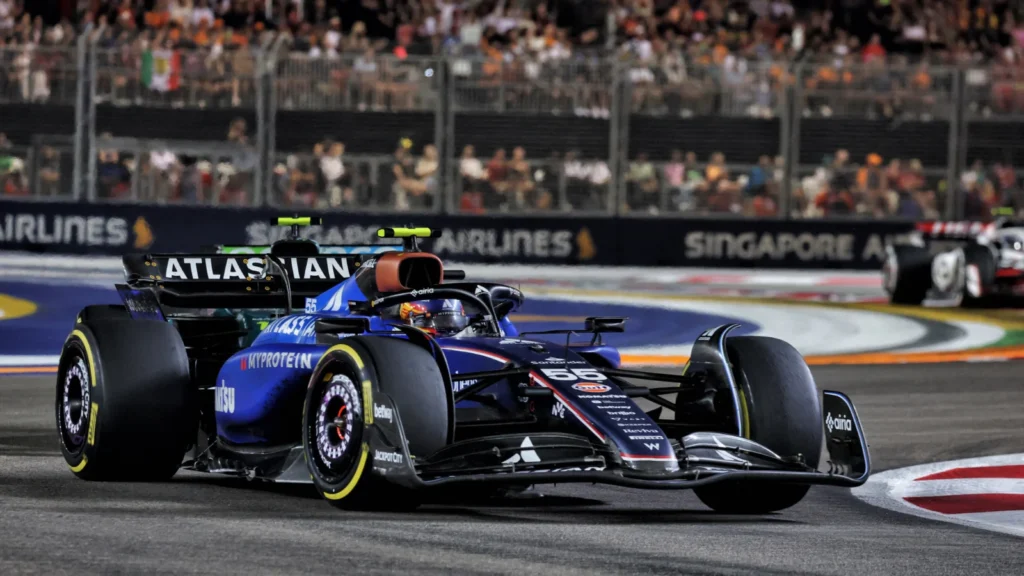
The evolution of F1 tyre width
Over the decades, Formula 1 tyre sizes have evolved significantly. Here’s a quick timeline:
- 1980s: Front tyres were roughly 215 mm wide, and rear tyres were 355 mm. Cars relied more on aerodynamic grip than mechanical grip.
- 1990s: Tyres started widening; front tyres reached 245 mm, and rear tyres 375 mm.
- 2017 onwards: A major regulation change increased tyre widths to the current 305 mm front and 405 mm rear, enhancing mechanical grip and cornering speed.
This increase in tyre thickness and width led to faster cornering times and more exciting races, as teams could push the limits of traction like never before.
F1 tyre construction: More than just rubber
Formula 1 tyres are multi-layered marvels. Their construction influences how thickness affects performance:
- Tread Compound: The top layer, often called the tread, comes in various compounds (soft, medium, hard, intermediate and full wet). While the tread appears thin, it’s engineered to wear evenly under extreme conditions.
- Carcass: Beneath the tread is the carcass, which gives the tyre its shape and supports the sidewalls. The carcass is made of nylon and polyester layers that provide strength without excessive weight.
- Bead: This is the innermost part of the tyre that locks onto the wheel rim. Its thickness ensures the tyre stays firmly attached, even under high lateral forces in corners.
The combination of these layers determines the overall thickness and resilience of the tyre. Modern F1 tyres are designed to withstand cornering forces of up to 5 g’s, showing just how critical the balance between thickness and flexibility is.
How tyre thickness impacts strategy
Tyre thickness and width are not just technical specifications—they also influence planning and race strategy:
- Soft Tyres: Softer compounds have thinner tread layers that heat up quickly and provide maximum grip but wear faster.
- Medium Tyres: A balance between grip and durability; thickness helps maintain performance over more laps.
- Hard Tyres: Thicker tread layers make them more durable, ideal for long stints but slower in cornering grip.
Teams must consider the tyre thickness and compound when planning pit stops. A car that pushes its tyres too hard may experience uneven wear, compromising performance and risking tyre failure.
A subtle touch: Playroom analogy
Imagine a Formula 1 tyre as a game in a well-designed playroom. The front tyres are like the sliding tiles in a puzzle game – responsible for precision and direction. The rear tyres are like the heavier blocks, pushing power forward and keeping everything stable.
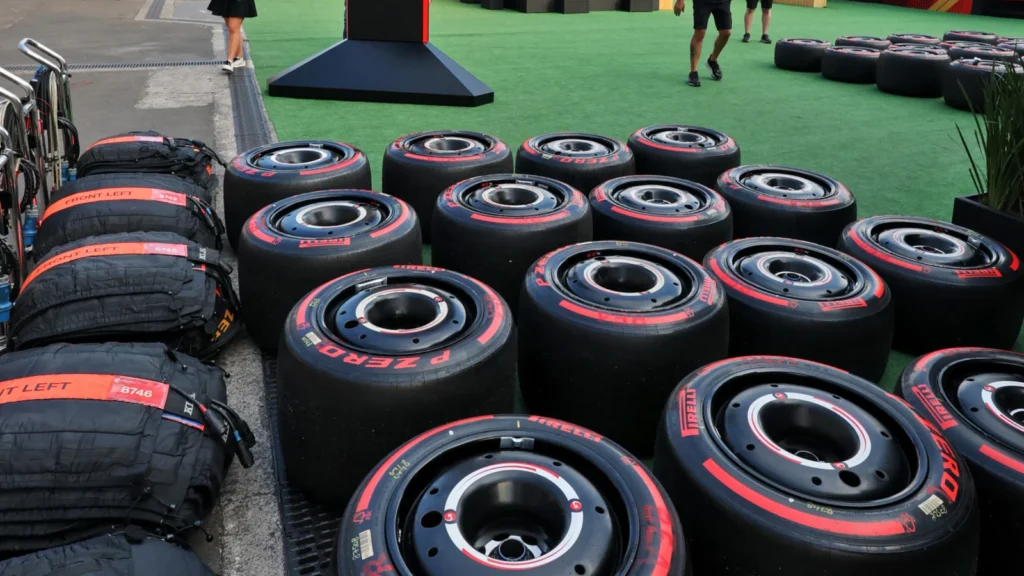
Just like choosing the right toy for the right activity, engineers choose tyre thickness and width to suit each track, weather, and strategy.
Common misconceptions about F1 tyres
- All F1 tyres are the same thickness: Wrong. Tyre thickness varies with track conditions, compounds, and regulations.
- Thicker tyres are always better: Not necessarily. Too thick can reduce aerodynamic efficiency and increase rolling resistance.
- F1 tyres last the entire race: Rarely. Depending on the compound and strategy, they often require pit stops every 20–50 laps.
Conclusion
Understanding how thick Formula 1 tyres are, gives insight into the complex engineering behind Formula 1. From the front tyres at 305 mm to rear tyres at 405 mm, and carefully calibrated sidewalls around 65–70 mm, every millimetre matters. Thickness affects grip, cornering stability, heat management, and overall race strategy.
So, the next time you watch a grand prix, pay attention not just to the car’s speed but also to how the tyres interact with the track. These seemingly simple components are at the heart of Formula 1 performance, just like the perfect combination of toys in a playroom ensures fun, precision, and excitement.
For fans who want a deeper experience, some Formula 1-themed playrooms and simulation apps allow enthusiasts to understand tyre dynamics and handling in a controlled, interactive environment. It’s a perfect way to explore how thickness, width, and compounds shape the thrilling world of F1. a