
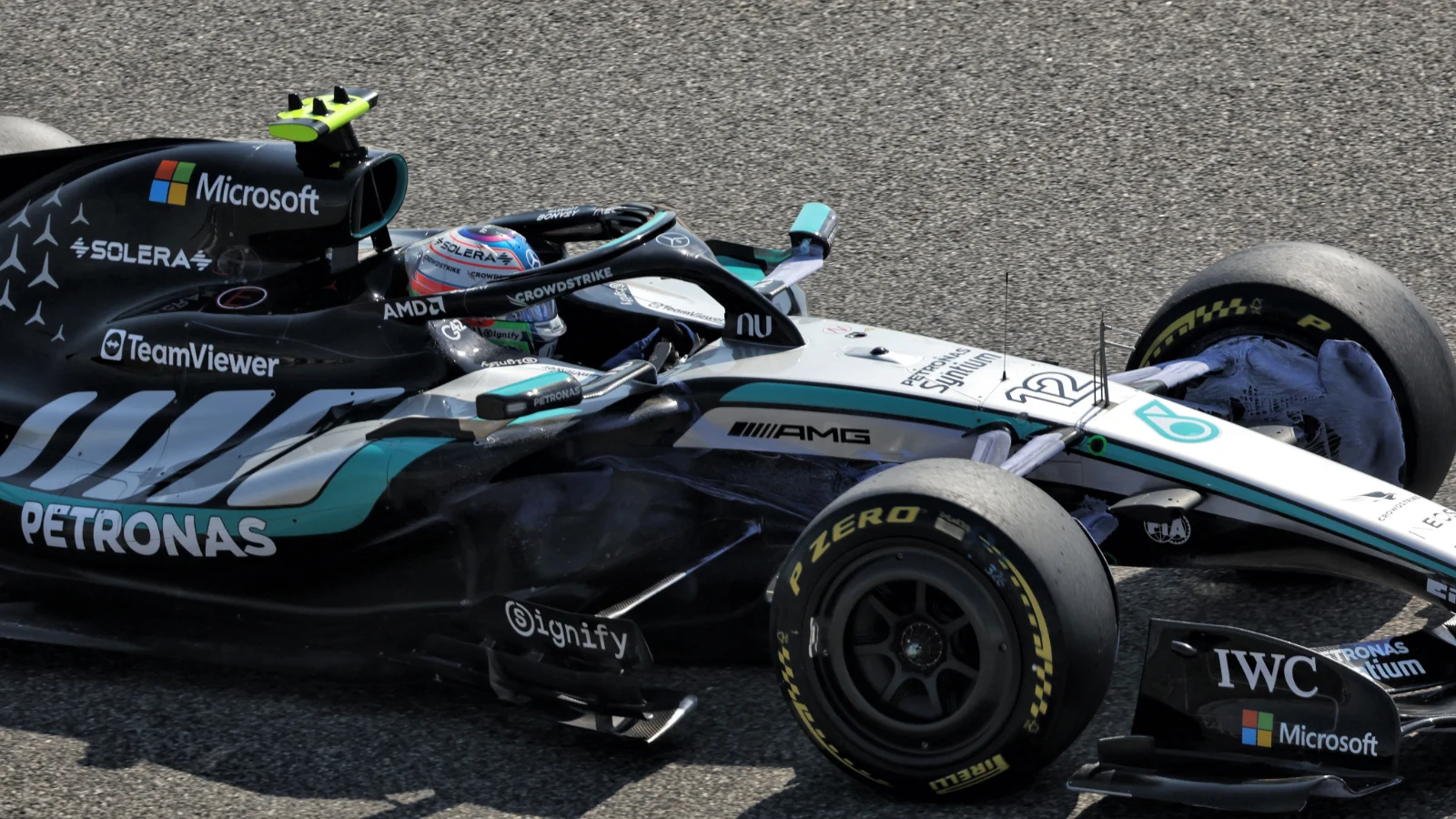
Motorsport Week Deputy Editor James Phillips discusses the forthcoming summertime Formula 1 rule tweak that could hurt Mercedes’ chances.
The news that the FIA will close the engine compression ratios loophole was about as unexpected as a chocoholic in a Lindt shop racking up a multi-thousand-pound bill on Easter eggs: an inevitable outcome, and similar to the aforementioned chocoholic being confronted surrounded by the leftovers of their splurge, an emotionally charged ending was always a foregone conclusion.
From June, the FIA will now measure the temperature of the power unit at 130 degrees Celsius, as well as at ambient temperature. The full wording lays bare the scale of the change:
“From 1 June 2026 to 31 December 2026: when the Engine is at ambient temperature, as well as when the Engine is at 130 °C. Any component, assembly, mechanism, or integrated arrangement of components that is designed or functions to in ratio in operating conditions beyond 16.0 is prohibited.”


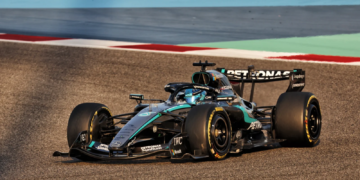
This decision has been months in the making. A topic of hot debate on the ground in Bahrain, Mercedes began to resemble one of the children from the iconic film Willy Wonka and the Chocolate Factory. It had a supposed golden ticket of performance with a potential 100 extra horsepower at its disposal, but instead, it is now drowning in a chocolate river, having been pushed in by Verruca Salt [the other manufacturers] as she chants, “I don’t care how, I want it banned now”.
Of course, Miss Salt does not push a fellow ticket holder into the river in the movie, but she does get her comeuppance for her bratty nature later via a trip into the garbage shoot to the furnace. Sadly, F1 rarely replicates the reality of fairness, and Mercedes will now be forced to potentially change its engine.
The ramifications for Mercedes by this decision are astronomical and threaten to open Pandora’s box for other technical disagreements down the line.
What are the consequences for Mercedes?
Mercedes is not just a sole enterprise in F1; it supplies power units to multiple teams, and all must conform to FIA regulations and scrutiny. While the Silver Arrows will keep its advantage until June, work will already be frantically underway to understand the work required to bring its power unit up to the new specification.
Engine parity is a requirement in modern-day F1, which means Mercedes must guarantee all the teams have equal performance after the June deadline. On paper, this seems like an easy task. One engine for everyone: just take the old one out and plug the new one in. Except that F1 power units are about as complex as the wiring found in a spaceship. It’s the equivalent of a Premier League footballer attempting to do a degree in quantum mechanics: is it possible? Yes. Can it happen in reality? Nope, not even close.
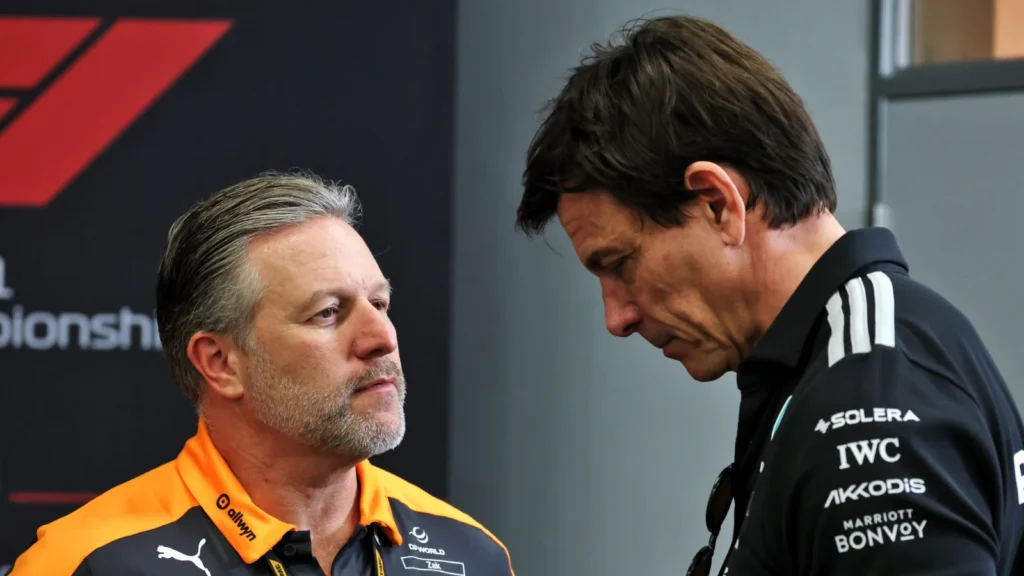
Mercedes has always maintained its advantage, and the engine compression ratio controversy is minimal. Toto Wolff was at pains to point this out to media, including Motorsport Week, in Bahrain. He believed his rivals had gotten “a bit carried away” after the Barcelona test over the issue, with a “super majority” of rivals and the FIA President (who Wolff hinted was a former ally), all but certain to push through a rules change.
What was particularly telling during the Bahrain tests was the slow change in stance from Wolff. Starting out initially calling any potential engine change damaging, he changed tone by the end of the second test by saying Mercedes would be comfortable with any changes to the regulations.
Being politically astute in F1 is equally as vital as producing a fast car, and Wolff is one of the most adept at using the media to convey his political whims. What is omitted from all of his briefings and messages is the biggest clue of all regarding the technical aspects of this saga: he has not confirmed whether any work is needed by Mercedes to comply with the rule change.
Experts and pundits can speculate, but no one, other than Mercedes themselves, knows the scale of the workload required. This could be a damp squib, work required and impact as redundant as a barber’s shop on the steps of the guillotine. Or, something far more fundamental could be required, and that spells trouble for all Mercedes-powered teams.
Pandora’s box?
Alpine F1 Managing Director Steve Neilsen said in the Bahrain tests that any rule change would set a precedent for other rules to be changed if rivals do not like a team’s interpretation of a regulation. Speaking with passion on the topic, he clearly feared the opening of Pandora’s box, and it is not hard to see why.
If the rule change is equivalent to Verucca Salt pushing a fellow ticket holder into the chocolate river, what Neilsen fears is Salt winning the factory itself. F1 is about innovation, and always has been. The best people make the best cars for the best drivers to thrash around the best circuits in the world. It is a simple recipe that goes back over a hundred years in Motorsport.
But there is always another element, just bubbling away beneath the surface. In order to get the best car, sometimes rivals have to tread on each other to get an advantage off-track. The engine compression ratio controversy is the latest in a long line of rule changes lobbied for by rivals in previous years. The F1 paddock is a more friendly place than 15 years ago, but its cut-throat nature remains. Show weakness, and you will be pulverised, with a smile on the face of your assassin.
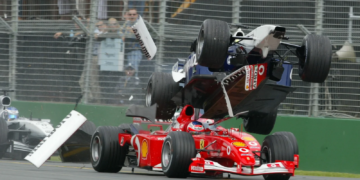
History shows countless examples of rule change lobbying. Ferrari and other rivals successfully lobbied the FIA to change the rules so an extra brake pedal fitted to McLaren, Williams and Jordan was ruled illegal and had to be removed from that weekend. It also pushed for changes to tyre regulations in late 2003, which helped it win the title. Brawn GP found itself at the mercy of almost the entire grid in 2009 following the double diffuser innovation, which the FIA refused to rule illegal. In short, teams will always push to rivals to be brought closer to them on track by any means necessary, usually in a haphazard, un-unified way.
But the engine compression ratio controversy is rare in F1 because all the rivals involved agreed on a way forward to push through the rule change. In a sport governed by self-interest, that is about as rare as a brain surgeon performing the Nutcracker at the Royal Albert Hall.
Audi, Honda and Ferrari did not create the same engine trick as Red Bull. They saw a way to bring Mercedes down a peg, and they grabbed it with both hands. It is a dramatic reversal in fortune, and would not be possible without the combined efforts of the aptly dubbed “super majority”.
While a political victory, only the stopwatch will matter from June, when this enforced change comes into effect. Whether Mercedes drowns in the metaphorical chocolate river or is able to claw its way back out ignoring her maniacal smile remains to be seen.
READ MORE – F1 Testing Debrief: Ferrari submits early entry for ‘Rear of the Year’





Discussion about this post