
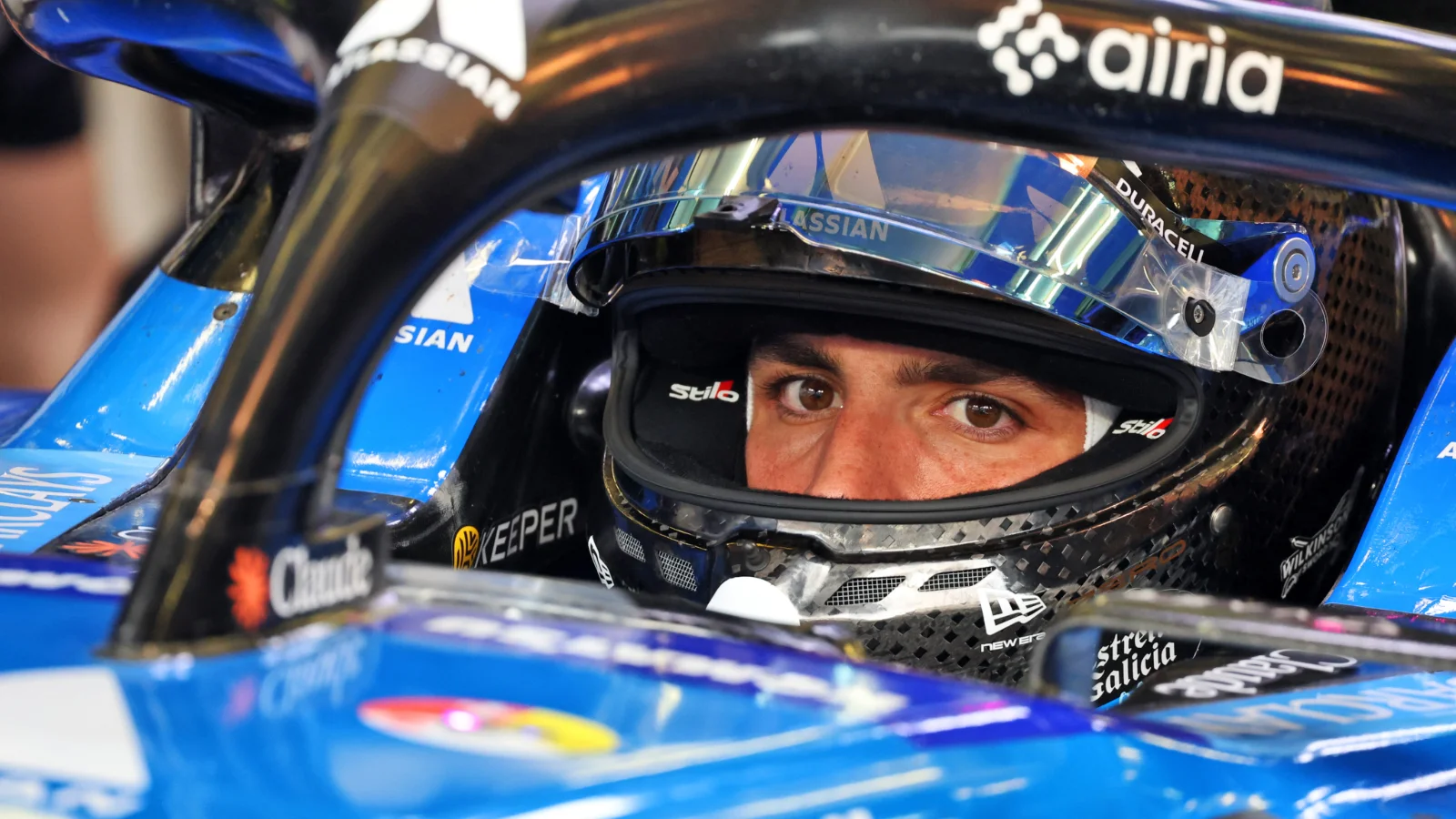
Carlos Sainz has called on Formula 1 and the FIA to be “open-minded” about the possibility of revisions to the new regulations.
The 2026 season sees F1 enter perhaps its most radical new era of technical regulations, led by increased electrification of the V6 hybrid power units.
A lurch towards a 50-50 split on internal combustion and electric power requires drivers to harvest energy lap-by-lap, a huge shift from the previous 80-20 ratio.
The changes have not been universally well-received, with Max Verstappen describing the cars as being like “Formula E on steroids.”
With the differing characteristics of circuits, there will naturally be fluctuations in energy management across the 24-race calendar.
And Sainz, who holds the role of director of the Grand Prix Drivers’ Association [GPDA], has spoken out in a direct plea to the powers that be to willing to tweak the rules reset, should the consensus agree they are needed.
“Melbourne is going to be more challenging for sure, but I cannot tell you by how much because I haven’t been in the simulator with what we’re going to find in Melbourne,” Sainz told media including Motorsport Week in Bahrain.
“My message to FOM [Formula One Management] and the FIA is that at the start of the year, we need to stay open-minded in case the regulations we’ve come up with are maybe too exaggerated on the amount of harvesting and deployment we do on a lap.”
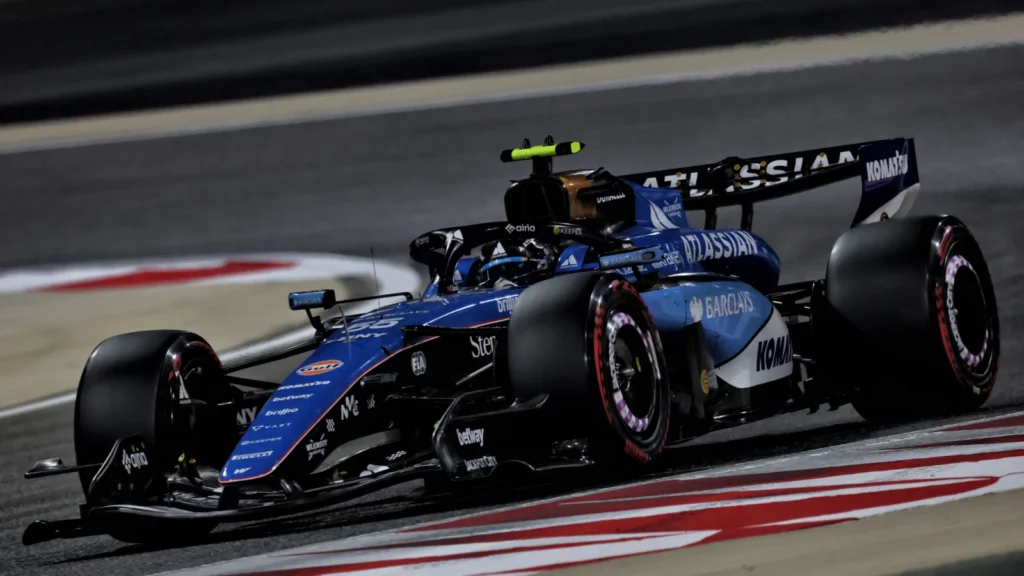
Carlos Sainz: ‘We might need to adjust the regulations’
Sainz acknowledged that a number of circuits will correlate perfectly well with the new regulations, but cited other examples, such as the opening race at the Albert Park Circuit, as potential causes for concern.
“At some circuits, it will be OK, like potentially here in Bahrain, even though I still think here is not fully OK with what we’re seeing so far, but tracks like Melbourne and potentially Jeddah will be more energy-demanding,” the Spaniard said.
“I think we might need to adjust the regulations a bit, and fair play, it is not easy because it is such a big change, because I don’t think anyone knew how to predict how much downforce and drag the car was going to have, and what level of deployment teams would come up with.
“My only ask would be to stay open in case we need to fine-tune or adjust to make the category and the show even better. That is my only message.
“I think we should start flexible, rather than be committed to a certain level of energy management.”
READ MORE – Why the FIA ignored Ferrari’s F1 start procedure warnings




Discussion about this post