

The inherent characteristics of the 2026 Formula 1 cars will induce a certain “abnormality” Oscar Piastri has warned.
The biggest talking point in the off-season has been surrounding the latest technical regulations. Introduced to completely revamp the formula, the 2026 rulebook has drastically altered what racing will mean in the coming years as far as F1 is concerned.
The inherent characteristics of the all-new power units, dictating a 50-50 split between the combustion and electrical halves of the engine, mean race craft has to accommodate for energy harvesting with a menacing urgency.
Battery management could make or break races this season, and will ultimately also decide the fate of the championship.

Piastri, who has now had three pre-season tests under his belt, has reflected on what he has learned so far and how it will impact racing going forwards, starting with his home race in Australia, next month.
“I mean, from the simulator running I’ve done, it’s very different,” he told media including Motorsport Week during the final pre-season test at Bahrain.
“I think at certain tracks we’re going to be much more harvest-limited than we are here. Here, depending on where you set your optimality, you don’t have to do much lift and coast, whereas in Melbourne, I think if you didn’t want to do any, you’d be running out of energy very, very quickly.”
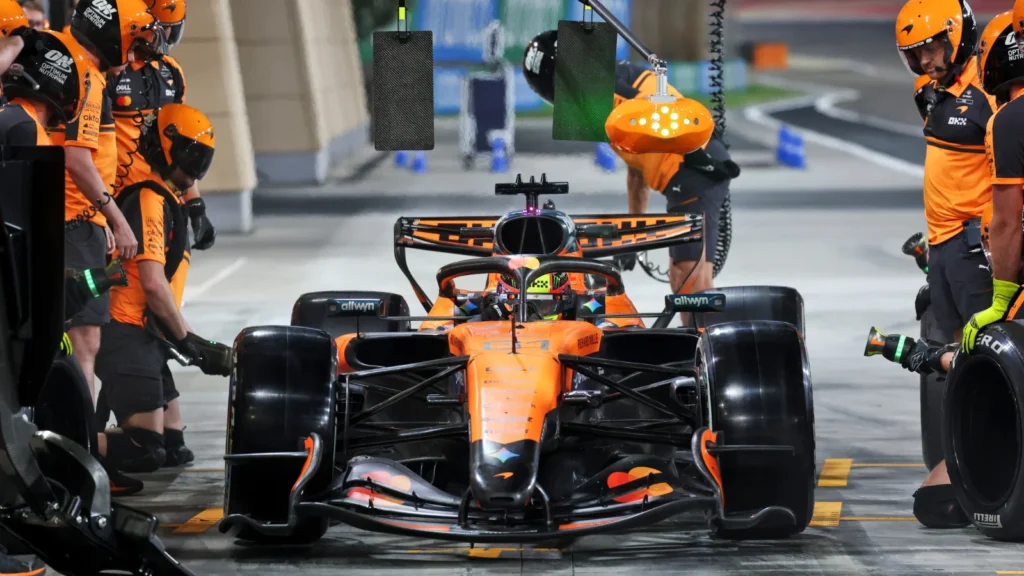
Oscar Piastri highlights certain tracks that will test drivers in 2026
The 24-race calendar, this season, will be one of the toughest to tackle given this impending challenge of harvesting Piastri predicts.
The Australian detailed how certain tracks like the Jeddah Corniche Street Circuit will pose a certain kind of “abnormality” given its inherent layout and the recovery demands of the current generation of F1 cars.
“Again, it just depends on the layout of the circuit. Jeddah is another one,” he added. “Places where you have a few straights linked together by vast corners where it’s very difficult to harvest, that’s where the most kind of abnormality is going to come.”
Piastri then revealed how most of these decisions, in terms of engine mapping won’t be done on the fly, but rather would be a pre-determined set of settings that the drivers will devise with their engineers before getting into the car.
“So, yeah, there’s going to be some big differences, but it’s saying that, again, you can change things around a lot,” Piastri explained.
“We’ve seen people here in Turn 12, you can definitely make it a corner if you want to, and it’s a lot harder than it was last year, but at the moment it’s kind of all set before you get in the car.
“You can change it on the fly, but it’s a bit different because you’re not just managing it on the throttle, let’s say.
“Melbourne is going to look quite different, I think, and it will be a challenge for us all, I’m sure.”
READ MORE – Oscar Piastri clears the air on McLaren’s alleged 2025 F1 ‘sabotage’




Discussion about this post