Formula 1 is a sport of mind-bending speed, precision engineering, and complex strategy. For new and casual fans, its technical regulations can seem daunting, with a unique vocabulary of acronyms and jargon.
One of the most frequently discussed terms is DRS. The meaning of DRS is central to understanding modern Formula 1 racing, as it’s a key tool designed to improve the on-track racing spectacle.
Irish fans following the championship often monitor live Formula 1 markets alongside the on-track action to understand how race dynamics shift in real time, and the use of DRS in Formula 1 is a major factor in those dynamics. So, what is DRS in F1?
In simple terms, the Drag Reduction System (DRS) is a mechanism that allows a driver to open a flap in their car’s rear wing to gain a temporary speed advantage, making it easier to overtake. Introduced in 2011, it can only be used when a car is within one second of the car ahead in designated ‘DRS zones’ on the track.


This system is what Formula 1 uses to help prevent processional races and encourage closer wheel-to-wheel action.
What is DRS in Formula 1?
DRS is an adjustable bodywork system on a Formula 1 car that was introduced to aid overtaking. The core idea behind the DRS F1 meaning is to give a chasing driver a temporary aerodynamic advantage.
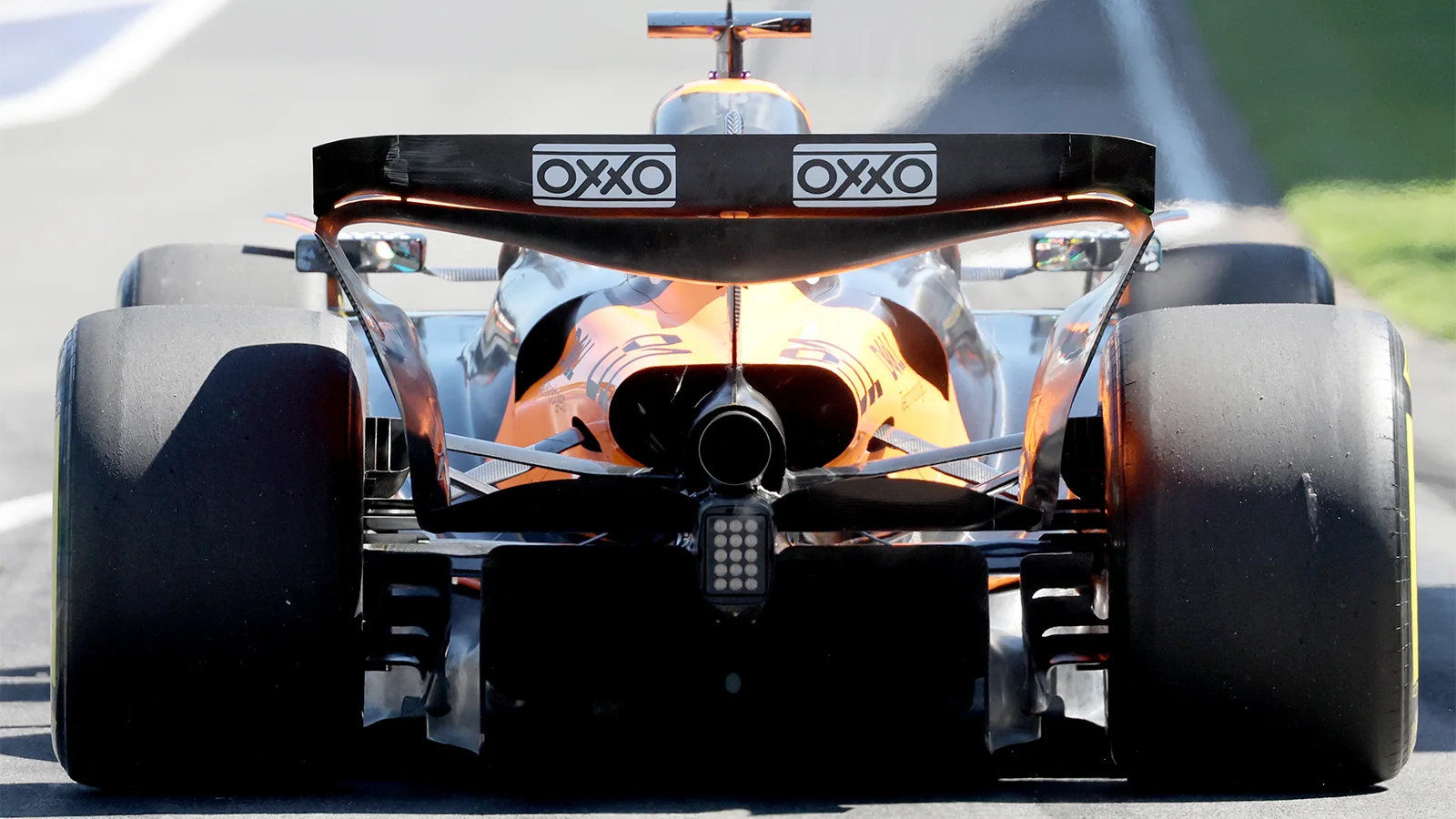
When activated, a slot in the rear wing opens, which reduces aerodynamic drag and increases the car’s straight-line speed. This boost helps the pursuing driver to close the gap and attempt a pass on the car in front.
However, its use is strictly regulated. A driver can only activate DRS under specific conditions:
- Proximity: They must be less than one second behind the car they are attempting to overtake at a specific detection point on the track.
- DRS Zones: Activation is only permitted in pre-determined sections of the circuit, known as DRS zones. These are typically long straights where overtaking is most likely.
- Race Conditions: It cannot be used during the first two laps of a race, immediately after a Safety Car period, or in wet weather conditions as deemed by Race Control.
This system answers the question of what does DRS mean in F1 by defining it as a tactical tool for promoting on-track battles, rather than a free-for-all speed boost.

How does DRS work in Formula 1?
The mechanics of the Drag Reduction System are a clever piece of engineering designed for a single purpose: to make a Formula 1 car faster in a straight line. Here’s how it functions during a race:
- Detection: Before each DRS zone, there is a ‘detection point’. If a chasing car crosses this point less than one second behind the car ahead, a signal is sent to the chasing car, enabling its DRS.
- Activation: Once inside the designated DRS zone, the driver can press a button on their steering wheel. This activates a hydraulic or electronic actuator that opens an adjustable flap in the rear wing.
- Reduced Drag: With the flap open, the rear wing’s profile becomes flatter. This significantly reduces aerodynamic drag—the force that resists the car’s motion through the air. While a high-downforce, high-drag setup is crucial for speed in corners, it limits top speed on the straights. DRS temporarily neutralises this effect.
- Increased Speed: The reduction in drag allows the car to accelerate more quickly and achieve a higher top speed, typically providing a 10-15 km/h advantage. This is often enough to allow the chasing driver to pull alongside and complete an overtake before the next braking zone.
- Deactivation: The system deactivates automatically the moment the driver applies the brakes. This is a critical safety feature, as the car needs the full downforce from the rear wing to have enough grip for braking and cornering.
Famous examples of its power can be seen at circuits like Monza, with its long straights, or Silverstone’s Wellington Straight, where DRS overtakes are a common and exciting feature of the race.
Why was DRS introduced into Formula 1?
The introduction of the Formula 1 DRS system in 2011 was a direct response to a growing problem in the sport: a lack of overtaking. In the late 2000s, F1 cars had become so aerodynamically complex that following another car closely had become incredibly difficult.
The primary issue was ‘dirty air’. A leading car creates a turbulent wake of air behind it. When a following car drives into this dirty air, its own aerodynamic performance is severely compromised. It loses downforce, which means less grip in the corners.
This made it almost impossible for a faster car to get close enough to a car ahead to even attempt an overtake on the straights. Races were becoming predictable processions, with qualifying position being the main determinant of the final result.
The FIA, Formula 1’s governing body, introduced DRS with the clear objective of mitigating this dirty air effect. By giving the chasing car a significant straight-line speed advantage, it compensated for the time lost in the corners while following. The goal was not to make overtaking easy, but to make it possible.
Since its inception, DRS has been a topic of debate. Some purists argue that it creates ‘artificial’ overtakes, devaluing the skill required for a traditional pass. However, others maintain that it is a necessary tool to counteract the inherent aerodynamic flaws of modern Formula 1 cars and ensure an entertaining spectacle for fans.
Is DRS being removed for 2026?
Yes, the DRS system as we know it is being removed from Formula 1 as part of the sweeping new technical regulations for the 2026 season. However, the principle of giving a chasing car an advantage to aid overtaking will continue, but in a much more sophisticated form.
The Formula 1 2026 regulations will replace the current DRS with a system of ‘active aerodynamics’. This new approach involves movable front and rear wings for all cars, which can switch between two modes:
- Z-Mode: A standard high-downforce configuration used for cornering.
- X-Mode: A special low-drag configuration for use on the straights to increase speed and efficiency.
While all drivers can use these modes, the overtaking advantage will come from a new ‘Overtake Mode’ (sometimes referred to as Manual Override Mode). This will give a chasing driver the ability to deploy more electrical energy from their hybrid system for a longer period than the car they are trying to pass. The one-second proximity rule will still be in place to determine when this mode can be activated.
So, while the familiar rear wing flap of the DRS 2026 will be gone, it is being replaced by a more integrated system that combines active aerodynamics with strategic energy deployment.
How will the 2026 changes affect overtaking?
The shift from DRS to active aerodynamics and the Overtake Mode in 2026 is set to fundamentally change the nature of racing and overtaking in Formula 1. The new cars are being designed to be smaller, lighter, and to produce a much less disruptive aerodynamic wake, which should make it easier for drivers to follow each other closely through corners.
The emphasis will shift from a simple straight-line speed boost to a more complex and strategic battle of energy management. Drivers will have to think carefully about when to deploy their extra electrical power, creating a cat-and-mouse dynamic throughout the race. This could lead to more sustained battles over several laps rather than a single, decisive DRS pass.
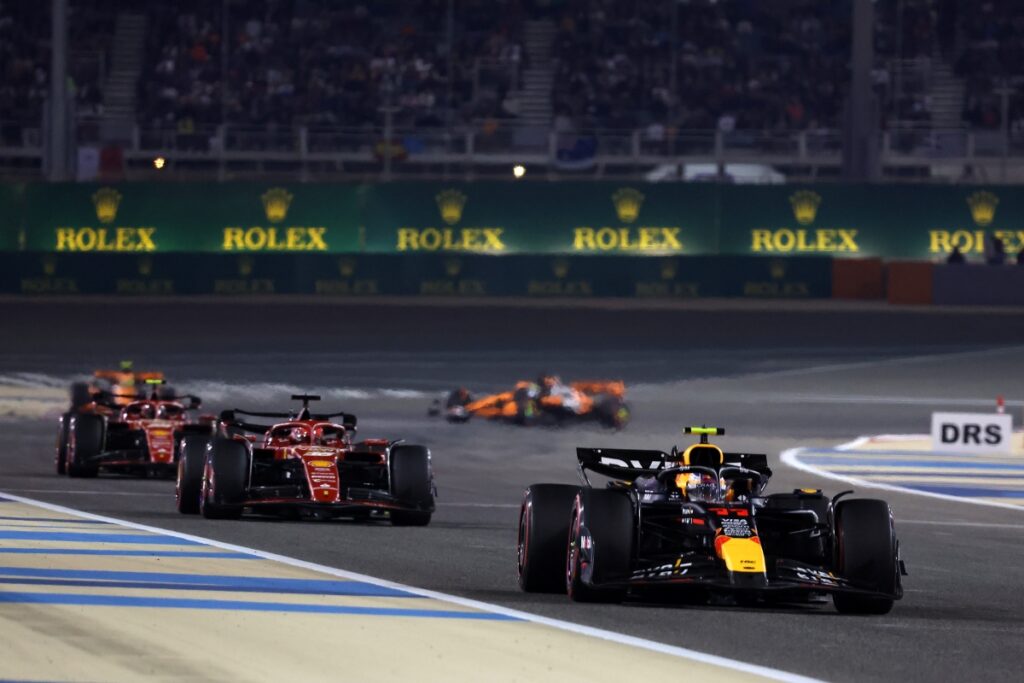
For Irish fans who passionately follow teams like McLaren and Ferrari, these changes could make the title battles even more exciting. Qualifying may become slightly less critical if cars can genuinely race each other more effectively, and the increased strategic complexity could lead to more volatile and unpredictable race results.
Those monitoring live race markets will notice how these technical shifts influence competitive dynamics throughout the season. The driver who can best manage their energy and deploy the Overtake Mode at the most opportune moments will have a significant advantage.
What could the end of DRS mean for F1 betting in Ireland?
The transition away from the current DRS system in 2026 will undoubtedly have a significant impact on the landscape of Formula 1, and Irish fans who follow betting markets may notice some interesting shifts. The new regulations are designed to increase uncertainty and place a greater emphasis on driver skill and real-time strategy, which could influence various markets.
- Championship Markets: Initially, the new rules could shake up the competitive order. A team that masters the new aerodynamic and power unit regulations early could gain a significant advantage, impacting long-term championship odds.
- Race Winner Markets: With the potential for more on-track battles and less predictable outcomes, live race volatility could increase. The ability to manage energy effectively might become a more critical factor than pure qualifying pace, meaning a car starting further down the grid could have a better chance of victory.
- Head-to-Head Markets: Qualifying could become more influential in pricing for head-to-head matchups between teammates or rival drivers. A driver who is known for being a strategic racer might be favoured over a pure qualifying specialist, especially in the early stages of the 2026 season.
This analytical approach, focusing on how technical changes influence on-track dynamics, is key to understanding how the sport may evolve from a competitive standpoint.