
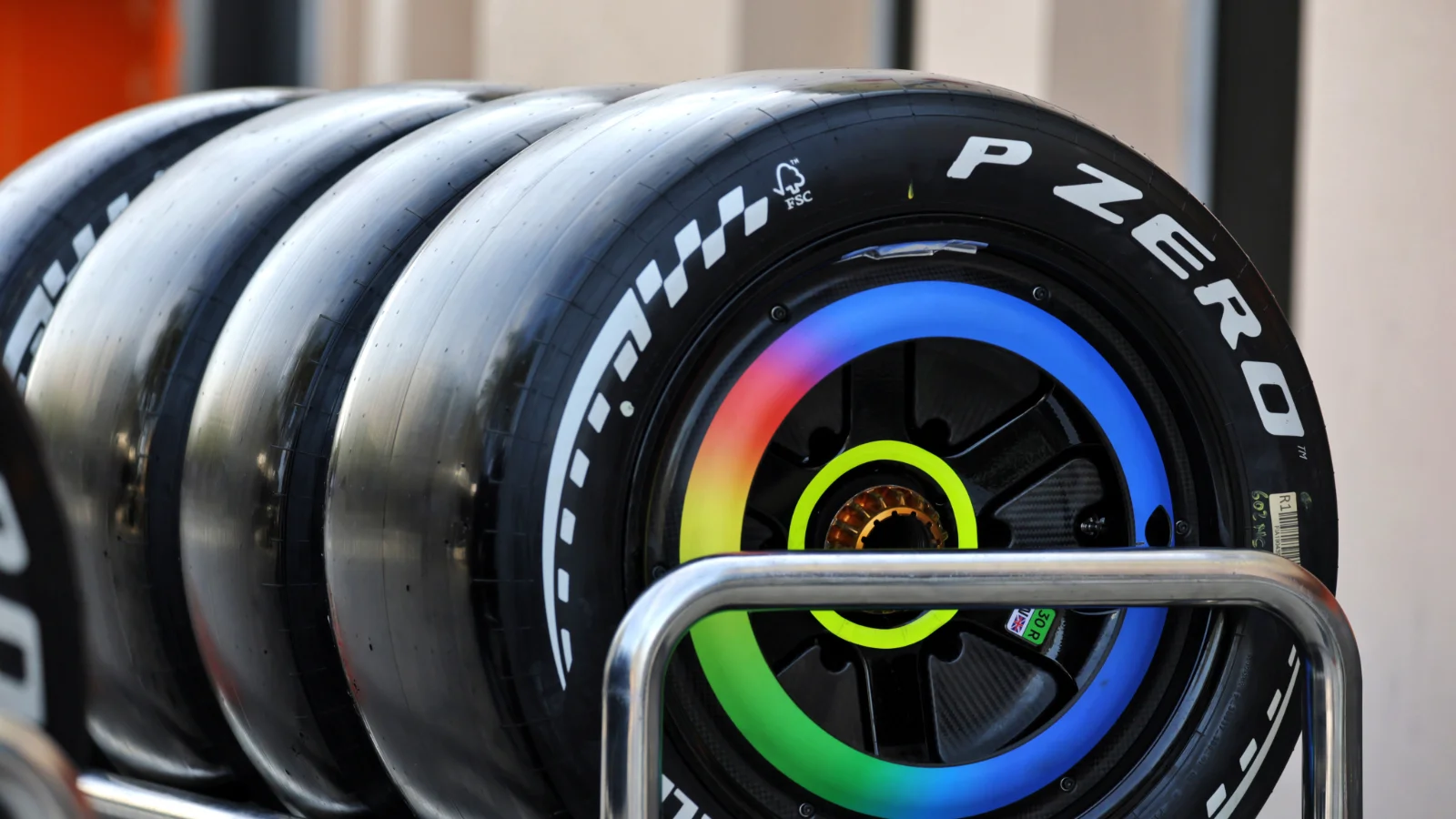
Pirelli has explained why it chose an unusual circuit for it upcoming wet-weather tyre test ahead of the new Formula 1 season.
The Italian organisation, the sole tyre supplier to F1, has opted to use the current pre-season venue choice – Bahrain – for its end-of-the-month tyre test.
Naturally, this will have caused some confusion, as the Middle Eastern country is not known for its damp conditions, nor does it possess a sprinkler system to simulate wet on-track action.
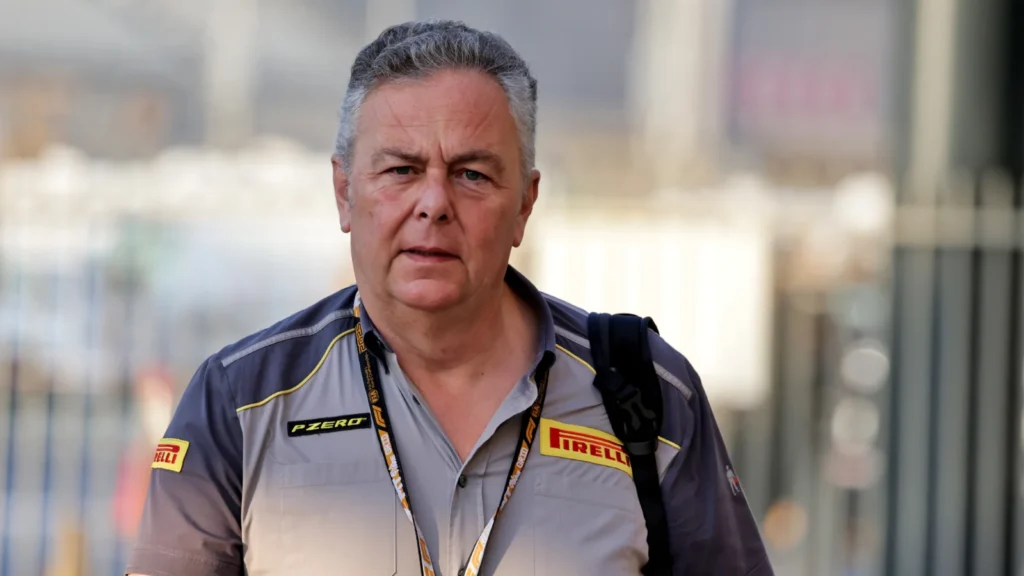
But its Motorsport Chief, Mario Isola, explained that the more harsh track surface in Bahrain will offer a different challenge, thus, in theory, giving some broader results on how its rubber is coping.

“We are trying to organise a wet [test] here in Bahrain,” he said.
“I am very confident because the track has an idea on how to wet the full circuit, not with the tanks but with another [sprinkler] system. And if they do that properly, we have an opportunity to test on a high-severity circuit in wet conditions.
“This is something that doesn’t happen very often. So we have this opportunity, we want to use it in the best possible way. I have to say that the people of Bahrain are always very cooperative when we ask for strange requests. I called them and said: ‘What if we plan a wet test in Bahrain? ‘Yes, of course you can. Let us think about it.’
“[It’s not easy, because] we need consistency in the water level, because clearly the risk is that the inconsistency in water level is more important than the difference in prototypes.”
Isola continued that Pirelli will therefore “have an opportunity to test on a high severity circuit in wet conditions,” adding: “This is something that doesn’t happen very often. So we have this opportunity and we want to use it in the best possible way.”
Pirelli hopeful of ‘reducing the crossover’ between Wet and Intermediate F1 compounds
One of the biggest bugbears about Pirelli over recent years has been its Wet compound tyre, which has caused complaints from many drivers, and has effectively been rendered as almost unusable, which, as a knock-on effect, causes wet races to be non-events with red flags.
Isola is hopeful that the test will ultimately help Pirelli work towards ensuring a better compound for this era of car.
“What we have tried to do is to reduce the crossover time between the wet and intermediate in order to make the wet tyre more usable,” he said.
“The point is that if you are in a race condition and the expectation is for the track to dry, they will put on an intermediate because they want to minimise the number of pitstops.”
READ MORE – Classic Grand Prix circuits’ futures confirmed with F1 announcement






Discussion about this post