
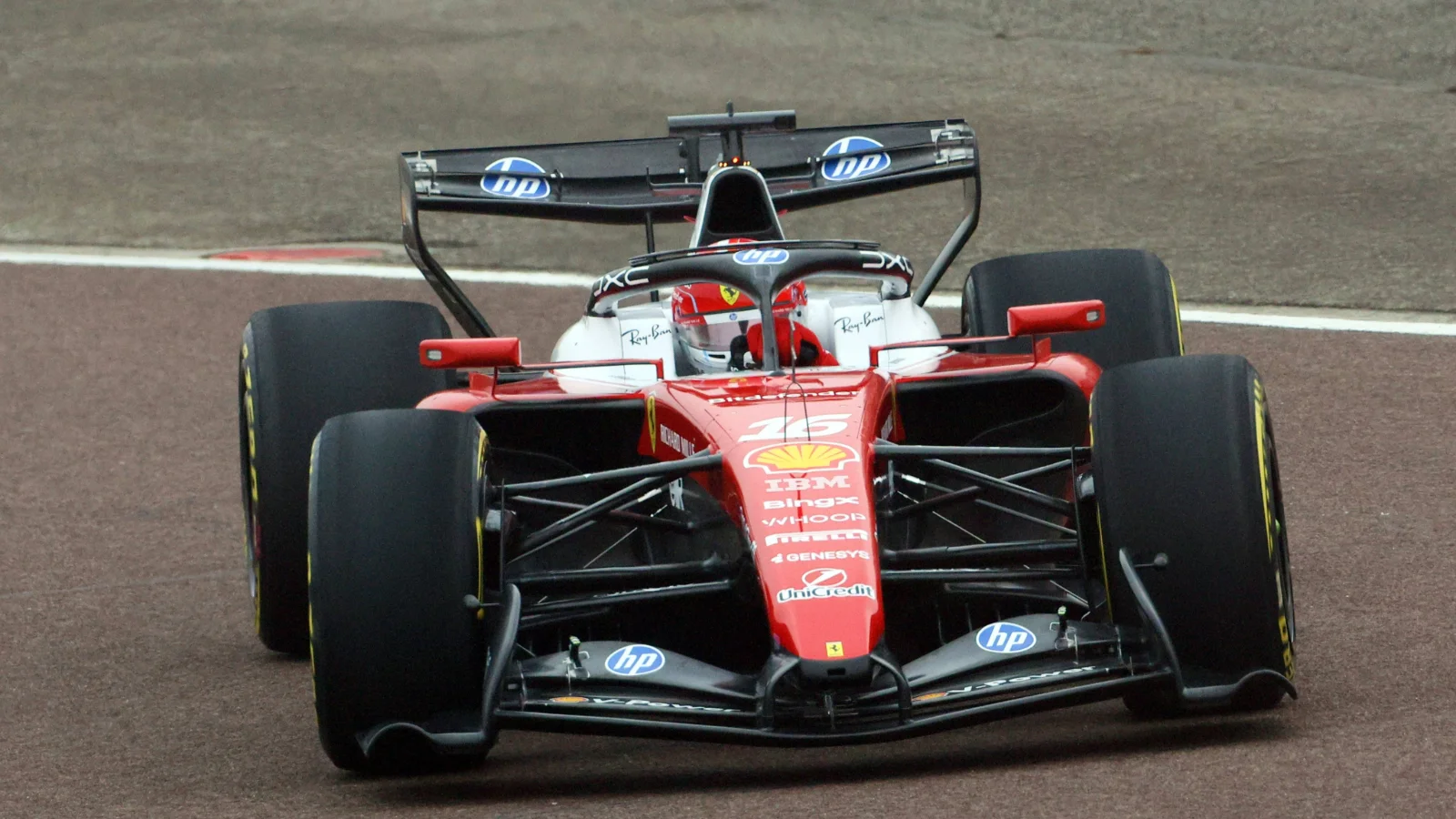
Under pressure to deliver in Formula 1 in 2026, the design of the new Ferrari SF-26 may just turn the Prancing Horse from a limp pony into a galloping steed, or see it flail in distress.
The SF-25 had many shortcomings, centered mostly around the need for a high ride height and a poor aerodynamic philosophy, leading to a narrow operating window.
Charles Leclerc and Lewis Hamilton in particular became victims of the car’s instability, and unpredictability, with cornering confidence becoming a major issue for both drivers.
2026 provides a reset, with the vast technical regulations leading to smaller cars – a window for Ferrari to exploit and right the wrongs of an underwhelming 2025.


The design choices seen on display in Barcelona give a clue to its technical priorities for 2026, and where it believes it can make the biggest step forward.
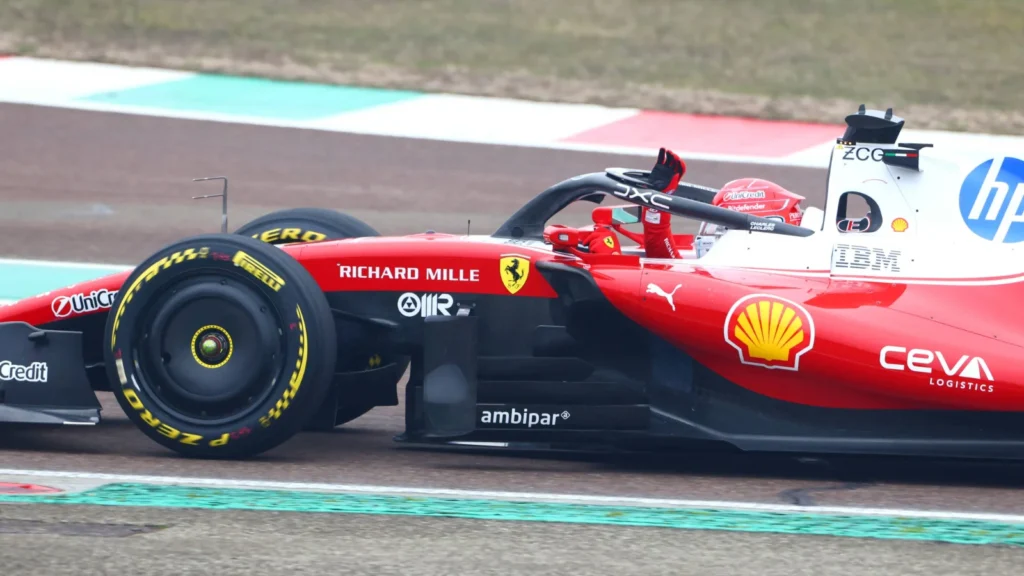
Airbox engine cooling ingenuity on display from Ferrari
Airflow was one of Ferrari’s biggest achilles heels in 2025, with channeled air not acting in the way intended, the airbox one of the biggest culprits.
Ferrari has opted to continue its historic philosophy of narrow airboxes, a direct contrast to other rivals that have prioritised larger ones to channel air through the power unit.
But this falls into a larger plan when examined more closely, the triangular shape of the box, which also has two horns either side, designed to force air over the rest of the car. This results in more air being channelled though the sidepods, which themselves have been upgraded.
Featuring air intake outlets, the design is similar to an inverted L, the intake now across the entire chassis, showcasing an aggressive design.
The combination of the new sidepods and continuation of the triangular airbox results in more air arriving at the rear wing and rear axle. Another area where Ferrari underwhelmed in 2025, the car could not achieve maximum ride height due to the poor airflow.
But this season has seen a change in design philosophy, as the new design incorporates how the air moves from the airbox to the rear wings, which are smaller than their 2025 counterparts.
But perhaps the most significant new element is a new feature that is almost hidden away from view. Directly underneath the airbox is another air intake, small but perfectly formed. This adds to the revised sidepods design, and results in significant cooling benefits.
Why continue on the same design path?
The new design philosophy is in face a continuation of the old, but with small improvements. The ability to adapt in F1 is vital, but so its changing direction when neccessary.
Ferrari has stayed loyal to a tried and tested method of air channelling and engine cooling, in a clear contradiction in trends to its rivals, who have increased their size of theirs. The reason for this is clear however: air and cooling management is different for 2026.
The cars now require vastly different cooling ideas, as the removal of the Motor Kinetic Recovery Heat (MGU-H) demands a different management of the heat generated from inside the power unit.
When placed together with Ferrari’s faithful airbox solution, and the need for stronger crash structures around it, it is perhaps the case that non deviation is wise. That it has adapted its philosophy for ground effect car cooling for the smaller 2026 cars could take the prancing horse from a limp walk into a gallop in 2026.
READ MORE: How Adrian Newey has taken bold steps with Aston Martin F1 challenger







Discussion about this post