
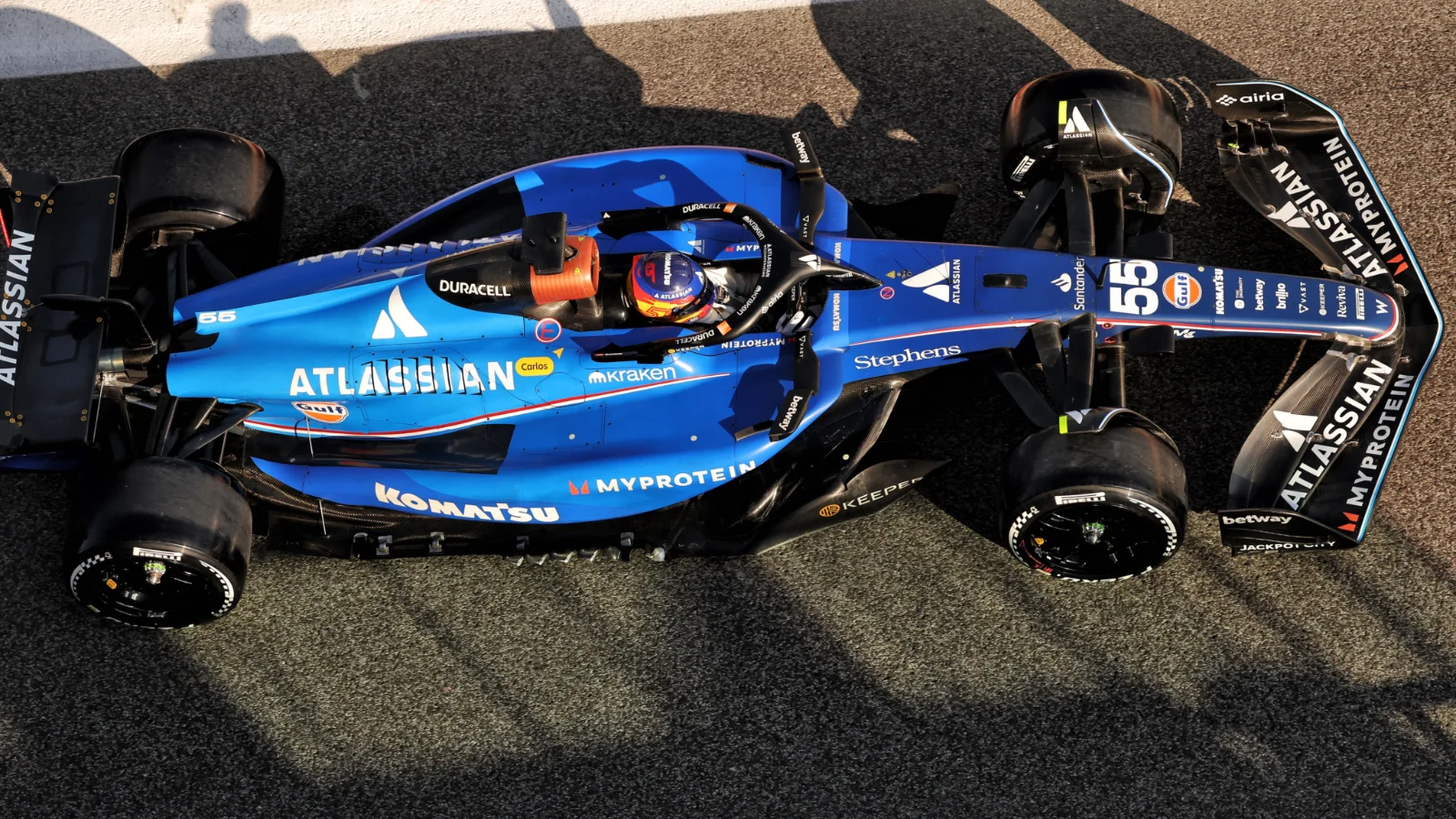
The Barcelona private shakedown is a critical milestone for all the Formula 1 teams which Williams will not take part in owing to reportedly having failed the FIA-mandated crash tests.
The 2026 F1 cars have finally hit the track for its first official outing during Day 1 of the private shakedown at the Circuit de Barcelona-Catalunya, earlier today.
First of three pre-season events mandated in the regulations, all 10 teams now have an opportunity to bag critical data with respect to its packages; designed specifically for the sport’s latest era.
The Grove-based team, however, announced earlier this month that it would not take part in this test and would take to the track only when the flying circus moves onto the Bahrain International Circuit in February for the second round of pre-season testing.


Paddock rumors suggest that this is because the team has failed to pass the mandatory FIA crash tests – most probably owing to the weight restrictions this year with a 30kg reduction from the ground effects era.
This is further strengthened from the fact that Williams has also not been able to conduct a private F1 shakedown or filming day to put its 2026 challenger through its paces on track.
That said, Williams’ announcement about missing the Barcelona shakedown did reveal that it would conduct a Virtual Test Track session. In essence, this would entail a simulation rig and dynamometer replicating an actual track.
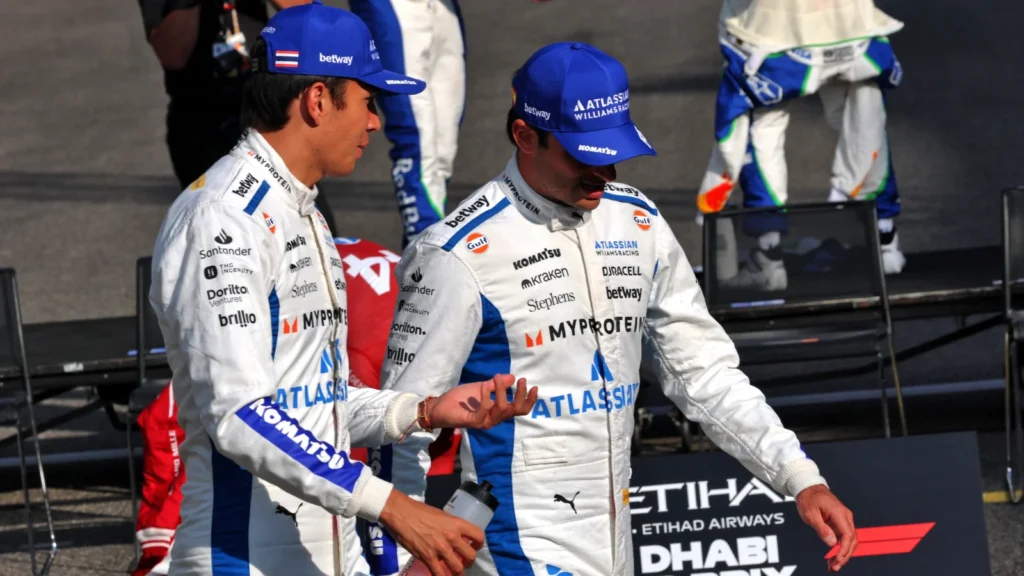
The pros and cons of Williams’ Barcelona F1 test absence
The private shakedown this week will give teams the chance to iron out any reliability gremlins and ensure that it can extract maximum performance from the more conventional pre-season testing events at Bahrain, next month.
This would effectively mean fewer laps on track and more tweaking behind-the-scenes, but in any case, they will log more mileage than Williams will in terms of understanding their packages.
In fact, the new regulations have introduced many ‘artifacts’ that are new to the sport and the drivers would be getting some critical hands-on experience to fine-tune their own race crat to the demands of these changes.
For example, the new engine formula dictates a 50-50 split between electrical and combustion power, requiring the drivers to re-learn battery deployment and recharging to remain competitive over even a single lap.
In addition to this, the active-aerodynamics and overtake mode introduced in this regulations phase will also require quite a bit of re-learning and reliability tests.
Pirelli’s new tyre construction for 2026 will also be privy to the teams who are slated to attend the Barcelona test.
These are all areas that Williams’ rivals would have better idea about when heading to Bahrain where Williams will only appear for the first time with the FW48.
On the flip side, however, it would appear that the racing gods have shown the iconic British team some mercy. The weather forecast for the five-day test in Barcelona hints towards concerted wet running.
This would mean that while the teams would be putting the laps in, it would not be properly representative owing to how limited the deployment of these various racing aids would be given the far-from-ideal weather conditions.
Notwithstanding, missing the first pre-season event of 2026, designed specifically to give all the teams ample time to optimise their packages for this drastic rule-change, will be a major setback to Williams’ competitive hopes for F1’s latest era.
READ MORE – F1 2026 Barcelona pre-season testing – Day 1 morning results






Discussion about this post