
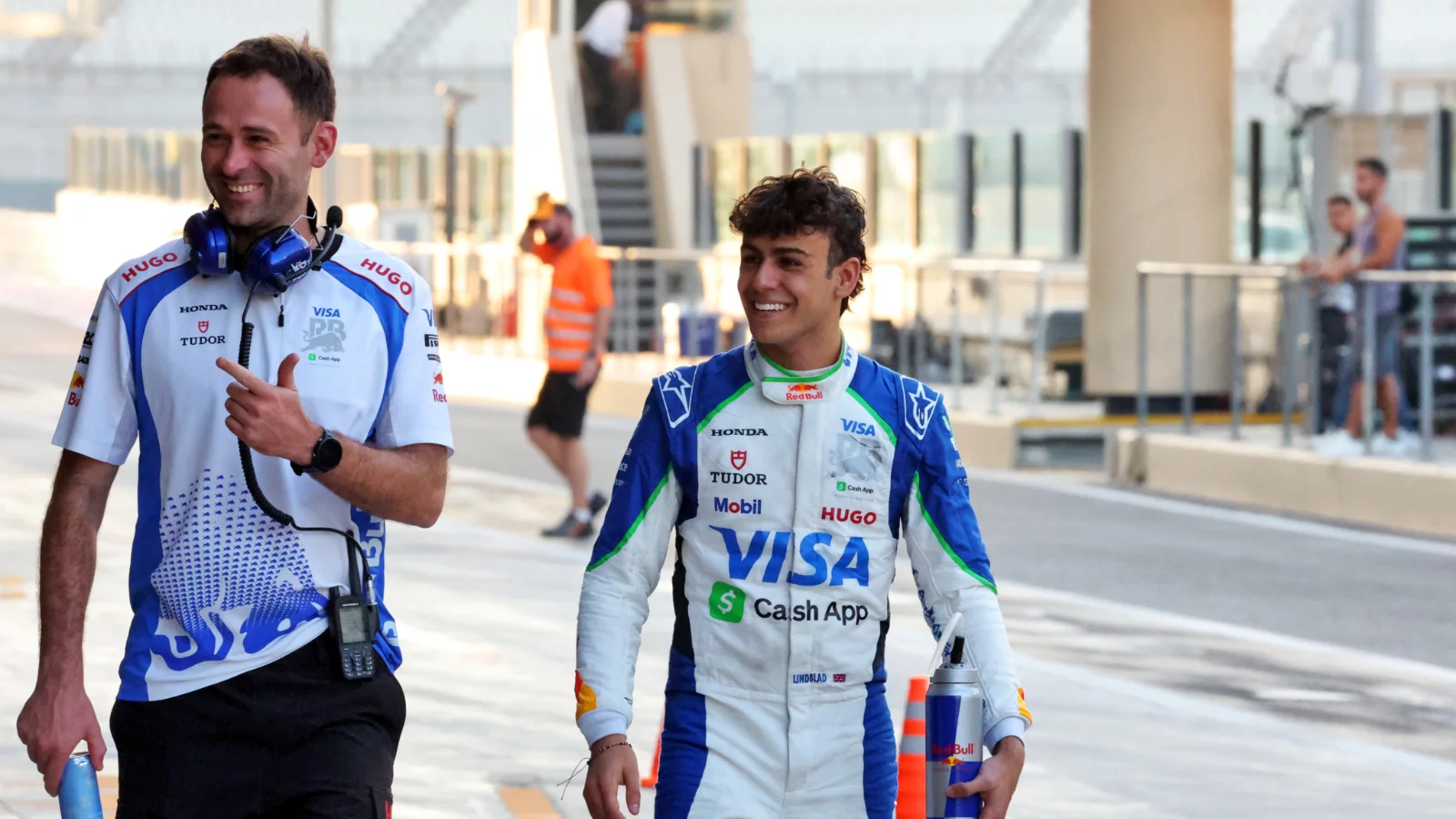
Oliver Rowland’s Formula E expertise will be a “little superpower” for protege Arvid Lindblad in his maiden Formula 1 season in 2026.
The Anglo-Swedish driver will make his F1 debut for Red Bull sister outfit Racing Bulls in 2026.
The 18-year-old impressed the Milton Keynes-based team‘s upper echelons with two standout FP1 outings in 2025, and a stellar single-seater career – which only started in 2022.
This meant Lindblad has been fast-tracked into the pinnacle of motorsport, arguably in the middle of the biggest technical shake-up the sport has seen in its history.


But Lindblad isn’t hiding for cover. Rather, he is rather bullish about his chances heading into the latest era of F1.
Much of this comes from the mentorship he has received from Manager and defending Formula E Champion, Rowland.
“Yeah, for sure,” he told talkSPORT when asked if the Briton was handy with tips to elevate his game during his single-seater career.
“I mean, Ollie himself, not talking about the Formula E aspect, I’ve learned so much from him. It wasn’t that long ago that he was on the ladder on the way up to F1.
“I’m massively grateful to him for his support, and it’s a big reason why I’ve been able to come through the ranks so quickly.”
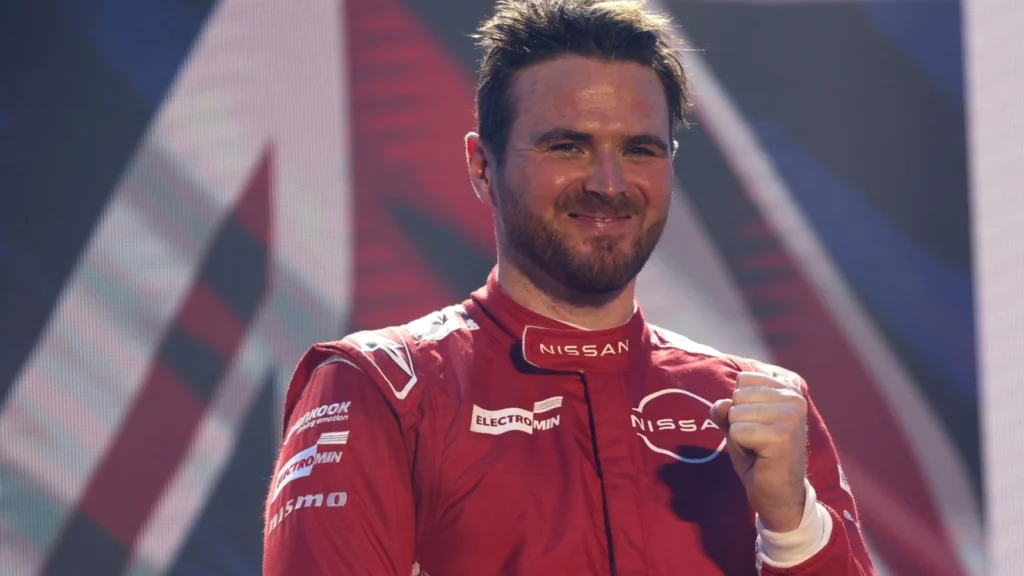
Rowland’s ‘superpower’ tipped to aid Arvid Lindblad in F1 debut
Rowland is no stranger to success in the junior categories leading up to the F1 paddock. He’s a former Formula Renault 3.5 Champion and finished third during the 2017 F2 campaign – dividing his time with development driver duties for Renault’s F1 team.
Lindblad is acutely aware that Rowland might come in handy whilst needing tips to negotiate the paddock. However, the 33-year-old’s stint in the Formula E paddock is what Lindblad is counting on the most.
The Formula E series requires dedicated battery management – something that must have become second nature for Rowland. Why is that important in the context of F1, though?
The 2026 regulations reset has introduced a drastically revamped engine formula. With a 50-50 split between electrical and combustion output, the MGU-K is now more important than ever.
Further, the removal of the highly expensive and complex MGU-H component ( which aided in recharging the battery with the hot exhaust fumes) now means the battery will have a sharper burst of energy but a smaller window of deployment.
Smart recharging is going to be key otherwise a driver could be looking to lose over a staggering 450 horsepower in an instant. Thus, an added layer of complexity has arisen that drivers must account for in their race-craft.
Rowland’s expertise in the all-electric series, that only has a limited amount of battery deployment over the course of an entire race, hence, is Lindblad’s “little superpower”.
“To have some of his expertise and advice and knowledge, especially in F2 and F3 it was a massive thing to be able to make the steps,” Lindblad added.
“For sure, yeah, it’s a little superpower with Formula E. It’s not the same. But yes, there is a battery-saving element. Whether it’s battery saving or not, there’s a bigger battery element in F1 of managing the PU, let’s say.
“Having his knowledge of Formula E, where he’s done so well there and really understood it and mastered it is definitely something I’ll be picking his brains on a lot and trying to get the most out of.”
READ MORE – Red Bull chasing ‘gloves off’ approach for F1 power unit regulations





Discussion about this post