While Formula 1’s soul remains rooted in its European heartlands, the modern calendar reflects a sport that has outgrown its continental borders to become a truly global powerhouse.
For the modern enthusiast, attending a Grand Prix is no longer just about witnessing twenty cars navigate a circuit; it is a curated lifestyle experience. Fans today might find themselves tramping through a rain-slicked English field one month, only to be surrounded by the high-glamour, neon-lit skyline of an Asian financial hub the next.
This has completely reshaped what it means to be a spectator.
The modern spectacle: Midnight magic in Singapore


The Lion City is as punishing as it is polished. With tropical humidity often north of 80%, the race is a physical battle of attrition that mirrors the endurance of the drivers. Yet, for fans, the weekend is a city-wide transformation.
As the sun sets, the city prepares for its signature night race, where the Marina Bay district becomes an electrified playground under thousands of floodlights. During the Singapore Grand Prix Season (SGPS), the roar of V6 hybrids blends with over 100 hours of live music and Michelin-starred hawker food.
Navigating this lifestyle festival requires local savvy. Between sessions, fans often seek a comprehensive guide to the region’s digital betting intricacies and engagement laws to avoid administrative speed bumps.
This high-gloss experience is underpinned by a sophisticated digital landscape; as the regional sports market sees a projected 11.5% growth, digital engagement has become seamless. While the domestic Singapore gaming market is governed by the Gambling Control Act, international visitors often use familiar offshore platforms and VPNs to maintain their privacy.
Decoding these complex zones and surrounding hubs is made easier with a dedicated Formula 1 Singapore Grand Prix expert guide.
Tarmac and tradition: From the english mud to Madrid’s neon tunnels
In contrast to the urban luxury of Singapore, the European leg of the season offers a more visceral, heritage-led experience.
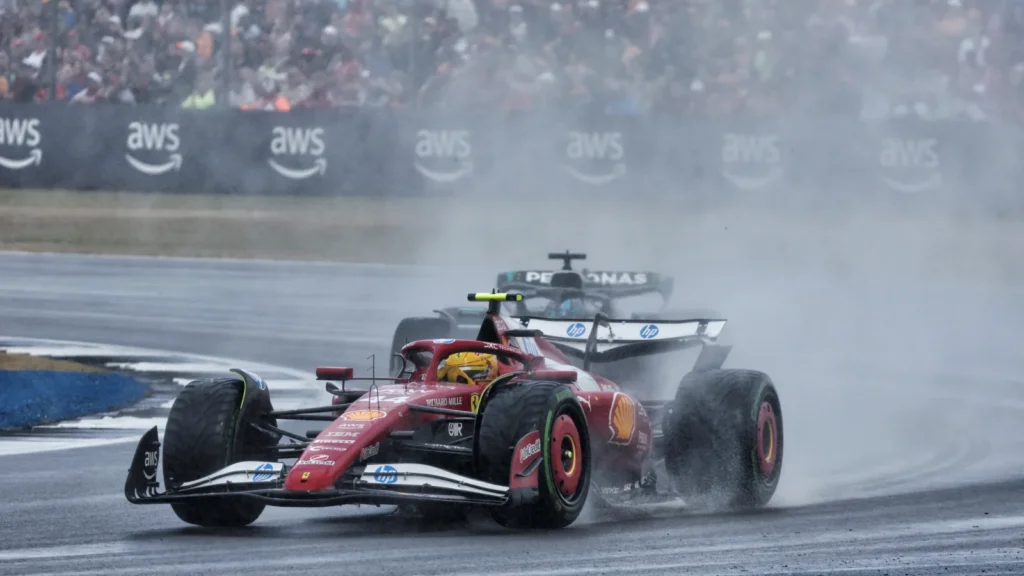
At Silverstone, the birthplace of Formula 1, the weekend is defined by a festival model where hundreds of thousands of fans congregate in a massive, camping-led community. Coordinating a crowd of this magnitude is a colossal undertaking that would simply collapse without a dedicated army of volunteers.
The true scope of this effort only becomes clear when you look at the stars behind the scenes at Silverstone; these individuals are the ones actually keeping the gears turning at such an ageing, high-pressure venue.
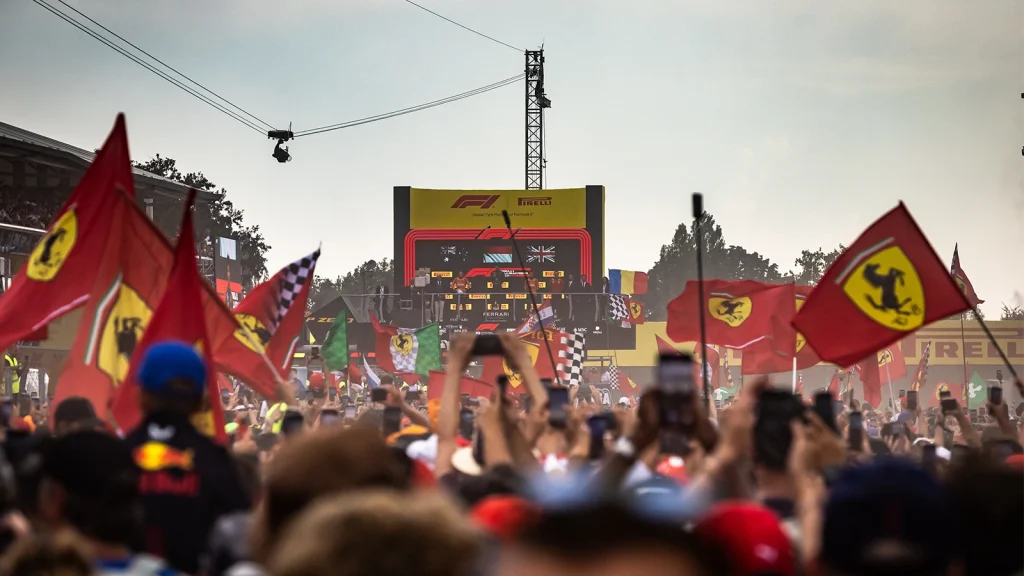
Further south, Monza, the Temple of Speed, offers a more tribal experience. It’s an emotional, raw pilgrimage dominated by the Ferrari Tifosi, creating a localised intensity that modern street circuits can’t quite bottle or replicate.
Because the culture here is so deep-seated, major milestones carry a different kind of weight; you could feel that shift in the air during the electric atmosphere surrounding Lewis Hamilton’s Ferrari Monza bow.
Ultimately, the strength of modern Formula 1 lies in this diversity. Whether one prefers the historic mud of the English countryside or the floodlit skyscrapers of Singapore, the current calendar thrives by piecing together the perfect grand prix event.
While the established pillars remain, the 2026 calendar continues to evolve. New metropolitan ventures like Madrid offer city-integrated accessibility, featuring a rapid 5.4km layout around the IFEMA exhibition centre that blends urban roads with a unique, high-speed tunnel.
Meanwhile, the high-altitude stadium atmosphere of Mexico City and the coastal Orange Army party at Zandvoort, hosting its Final Lap under the current contract, provide a deafening, high-energy alternative to the refined, traditional luxury of the European classics.
These emerging “modern classics” ensure that the sport’s global footprint remains as dynamic as the racing on track. It is this mix of unique, regional identities that ensures the sport stays relevant to every corner of its global fanbase.