
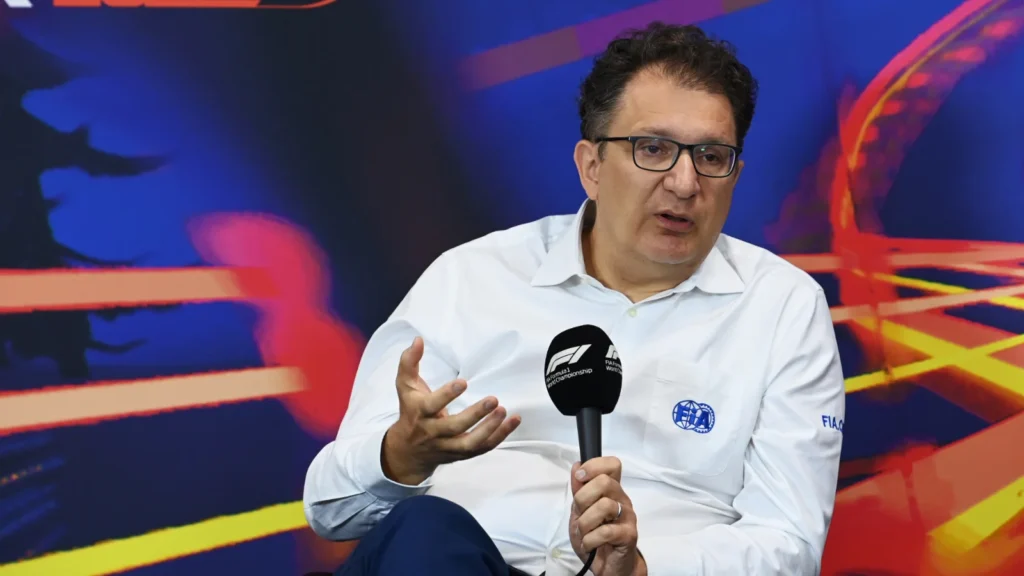
The single seater director of the FIA, Nikolas Tombazis, has revealed his predictions for the early stages of the 2026 Formula 1 season, amid the sport’s new regulations cycle.
2026 sees the introduction of the long-awaited new set of technical regulations which renders the season scarcely unable to predict, amid a plethora of major changes.
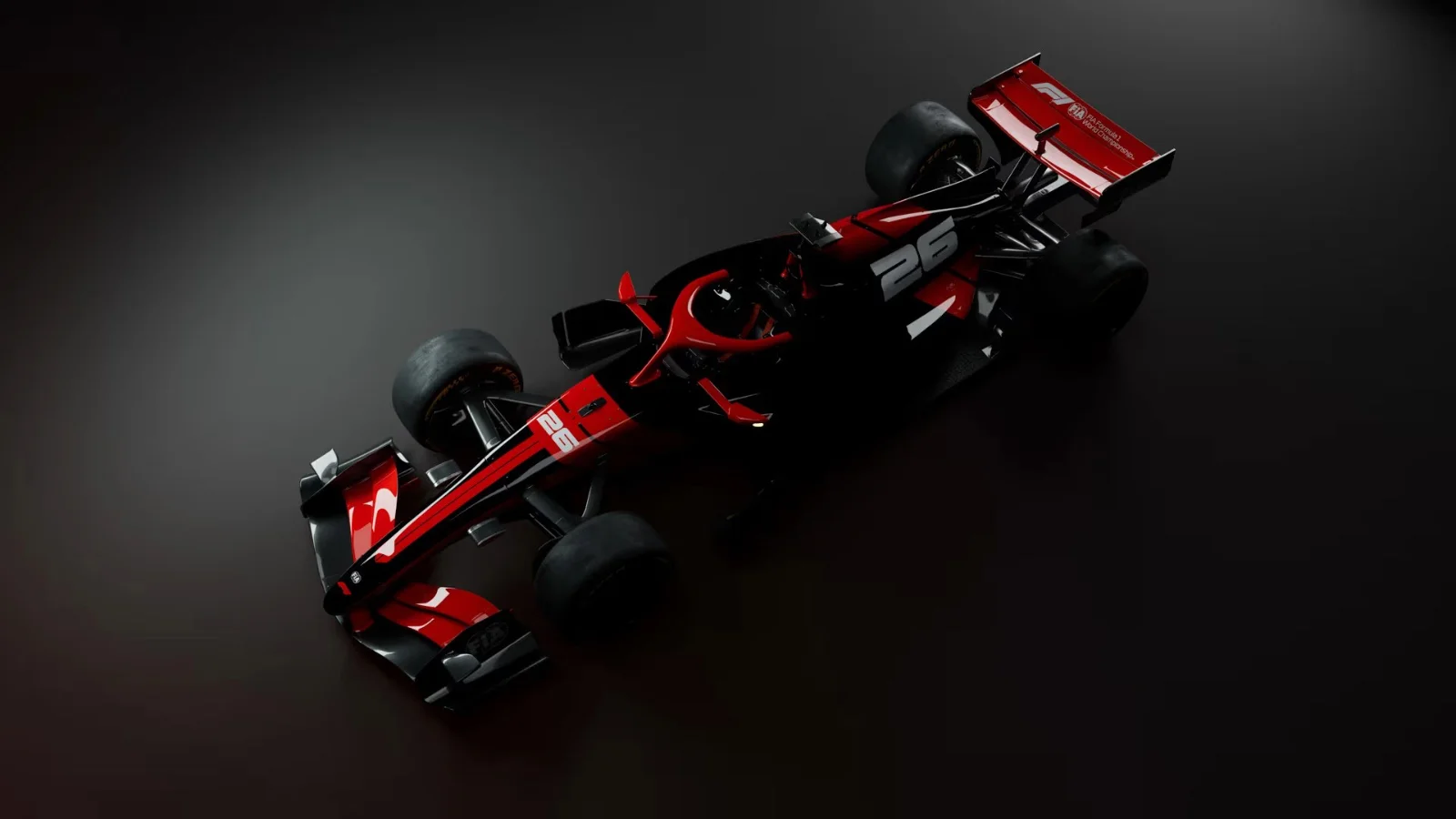
These include the new 50-50 hybrid power units and aerodynamic revisions for the cars, which will overall be smaller and lighter.
F1’s shift to further electrification has been a major cornerstone in these regulations, which naturally has led to further speculation as to which Original Engine Manufacturer [OEM] may have been the most successful.


“I would expect the engine to be the main factor initially, the ICE. We obviously have newcomers and new ICE regulations, so we expect some initial differentiation,”
“But we also believe that we’ve also put in place procedures to, let’s say, enable people to gradually catch up. So we believe that it’s a temporary matter in terms of performance differentiations.
“Then we have completely new aerodynamic regulations as well. Naturally, there will be some solutions that are better and some that are worse. There will be some initial convergence, I guess, over the first six months or one year.”
F1 2026 end expected to be ‘closer’ than 2025 – Tombazis
The last major regulation change came about in 2014, when the V6 hybrid era was fully introduced, and saw some sizeable gaps in competitiveness across the grid.
This has led to inevitable concern that a similar eventuality will transpire, but while Tombazis expects there to be some gulfs early on, he believes the season will end potentiall more competitive than the 2025 campaign.
“For 2026, I would not expect to have the grid quite as close as what we had last year,” he said. “But I would expect that the converged grid [later on] is closer than what it was in 2025.”
It appears that progress across the grid has been made already, with Pirelli reporting that its second round of simulator testing saw results much closer between all teams compared to the first.
Tombazis is therefore somewhat confident but cautious about just how close the grid from top to bottom will be.
“Reasonably, but we cannot be sure because we don’t have detailed data from the teams, so we don’t know how much downforce they have now or how much horsepower they have,” he said.
“Initially, I think there may be some variation, but we are pretty sure that the converged performance should lead to a smaller [more compact] grid.”
Of course, gaps in speed between teams could, from the perspective of some fans, form a lack of entertainment factor for them, but Tombazis pointed out that this will not be an issue.
“I think what determines the closeness of the grid is not necessarily the gap between the first and the last,” he explained.
“If one or two teams are in a bit of trouble initially, I don’t think that determines how exciting a championship is.
“Usually that’s determined by how close, let’s say, the people in the top half are, so the teams battling for points and wins. And I think there we will have a reasonably close field.”
READ MORE – F1 teams braced for ‘woeful misery’ amid beginning of new rule cycle







Discussion about this post