
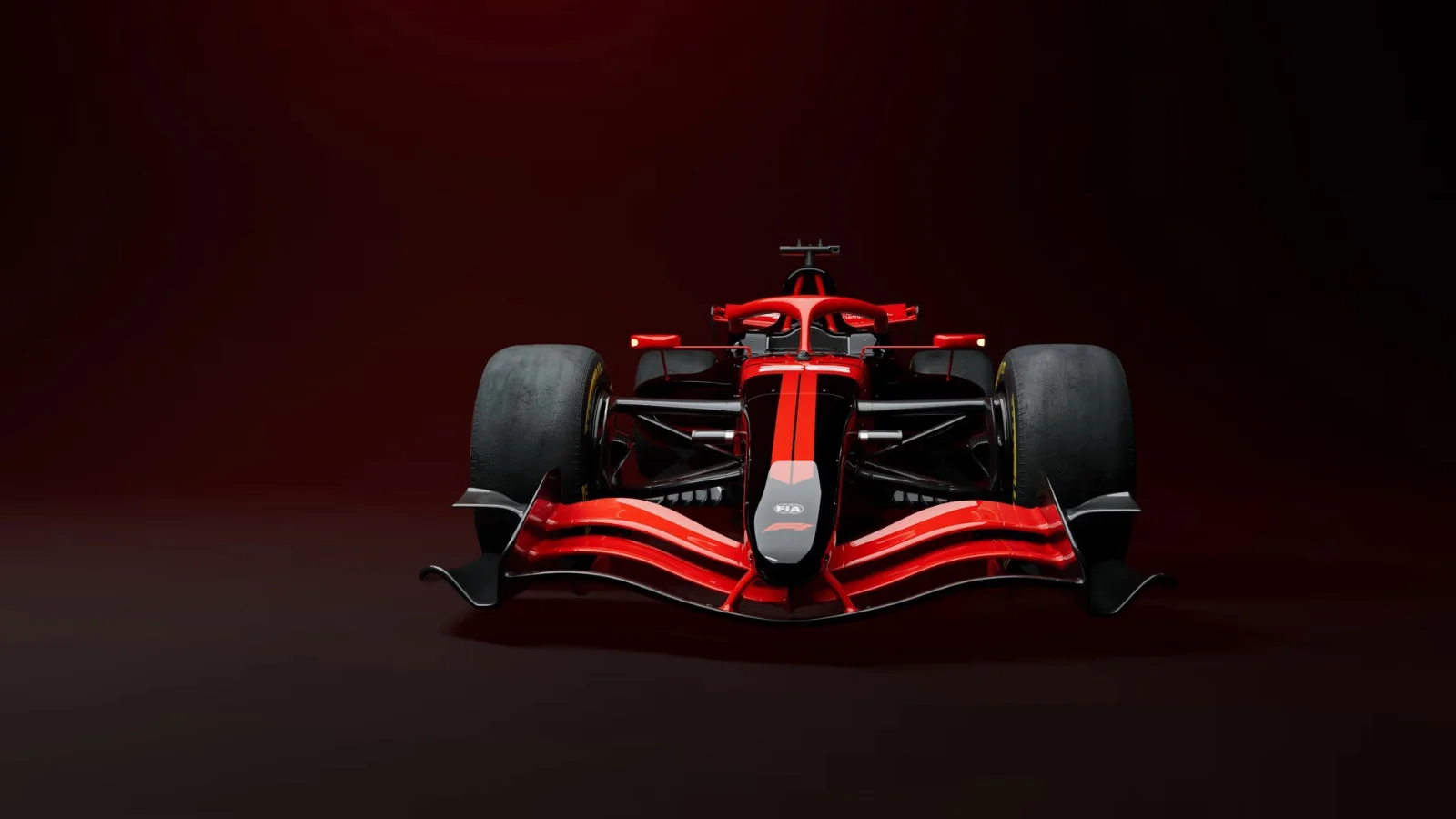
Esteban Ocon believes Formula 1’s 2026 regulations will demand a completely new driving approach, comparing the experience to switching from an F1 car to a rally machine.
F1 will introduce sweeping technical changes in 2026, covering both chassis and power units.
The rules aim to reshape how the cars generate performance and how drivers race them.
Moveable aerodynamics will return, while electrical energy will play a far larger role in overall power delivery.

Straight-line speeds are expected to increase. Cornering speeds, however, are likely to fall. The result should be a very different spectacle.
Energy deployment and recovery are set to become central to racecraft, placing new demands on drivers behind the wheel.
Ocon, who will race for Haas alongside Oliver Bearman, has already had an initial taste of what lies ahead through limited simulator work.
“It’s like if you jump from an F1 car to a rally car next year, pretty much, it’s that different,” he told media including Motorsport Week.
The 2026 concept marks a clear shift away from the current ground-effect era.
Today’s cars generate much of their downforce through the floor, producing high loads but also a stiff and unforgiving ride.
The next generation is designed to rely less on that philosophy, altering the balance and feel of the car.
Despite early impressions, the true competitive picture remains unclear.
Teams are running their own simulations in isolation, each following different development paths.
That makes it difficult to predict how the cars will race once they finally hit the track together.
What does seem likely is a wider performance spread, at least initially.
Previous regulations helped compress the field. A clean-sheet ruleset across both chassis and power units offers more scope for teams to gain early advantages.
Ocon expects a steep learning curve.
“We’re going to have a lot of testing, but a lot of new things to learn,” he said.
Why Haas delayed 2026 preparations for drivers
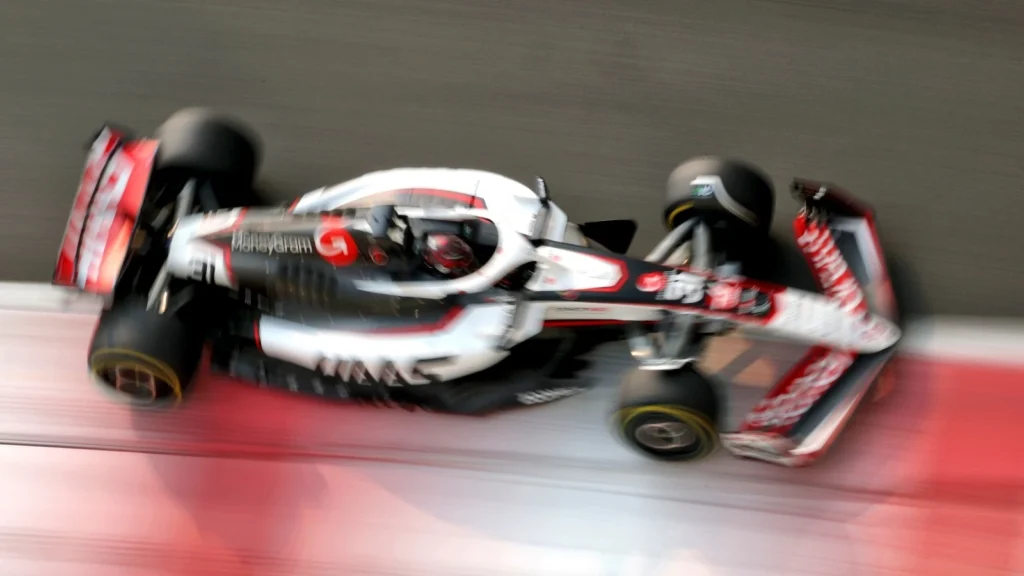
Haas is building its own simulator in partnership with Toyota, but currently relies on Ferrari’s facility in Maranello.
Even so, detailed work on the 2026 car was kept to a minimum during the season.
“That’s why me and Ollie, we have, at the moment, very limited data,” Ocon explained.
“When they have a technical direction that they want, we have a meeting for it, but it has been very limited and they want to really has to focus on what we have to do [in 2025].”
The approach made sense given how tight the midfield battle was.
Haas finished eighth in the Constructors’ Championship, just nine points ahead of Sauber and within striking distance of Aston Martin and Racing Bulls.
Those positions can be worth tens of millions in prize money.
More serious work on the 2026 concept began after the season ended.
“That’s been the team’s decision,” Ocon said. “That’s been Ayao’s decision for us to do.
“When the team needs us to have a technical direction, they ask us, but I trust what they want to do. I think it’s the right decision.”
READ MORE – Ex-F1 technical chief criticises FIA over 2026 engine formula




Discussion about this post