
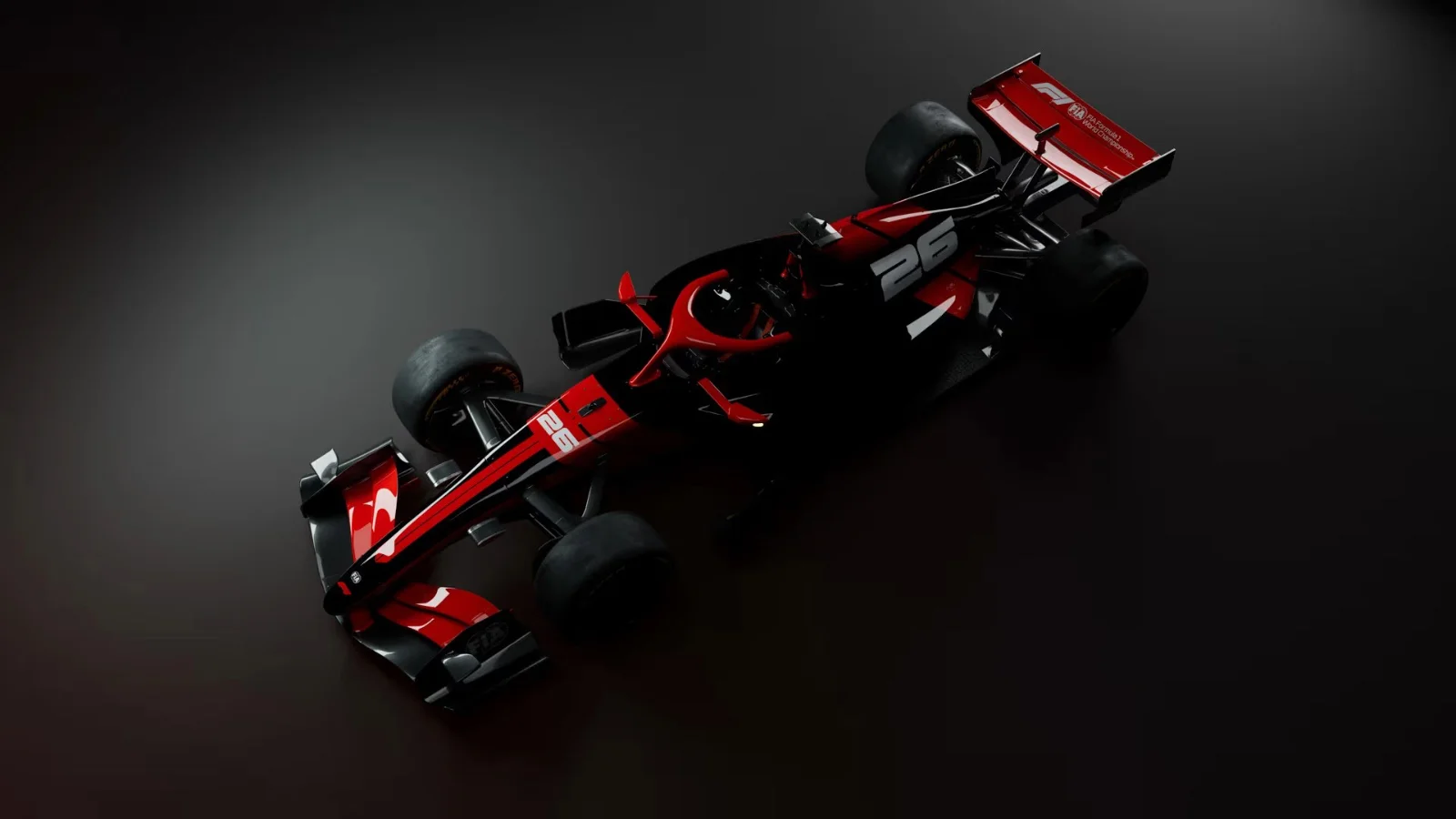
Cadillac Executive Engineering Consultant Pat Symonds has contended that the FIA’s compromises have turned Formula 1‘s new power units into a “camel”.
Symonds had input into the engines that will debut in 2026 before leaving his technical role with F1 to advise Cadillac as it debuts as the sport’s 11th team.
The Briton, who played an instrumental role in shaping the 2022 chassis regulations, admitted that frustration at the FIA’s greater control influenced his call.
“It was a little bit of the frustration that Formula One Management were getting less and less involved in the regulations, very much the FIA and things like the ’26 power unit was not what I wanted it to be,” Symonds explained.


According to Symonds, the FIA made too many concessions to teams when finalising the 2026 power units, which will comprise nearly 50 per cent electrical power.
“When we did the 2022 car we listened to what the teams were saying, but we ruled them with a firm hand,” he added.
“We said, ‘Okay, we’re listening to you, but we’re actually going to do this’. We took some of their input.”
Symonds highlighted that his previous experience as a former team member helped guide that approach.
“We knew that each one of them had an agenda,” he continued.
“This is the advantage of [me] spending so many years as a competitor. So we were quite rigid in what we wanted.”
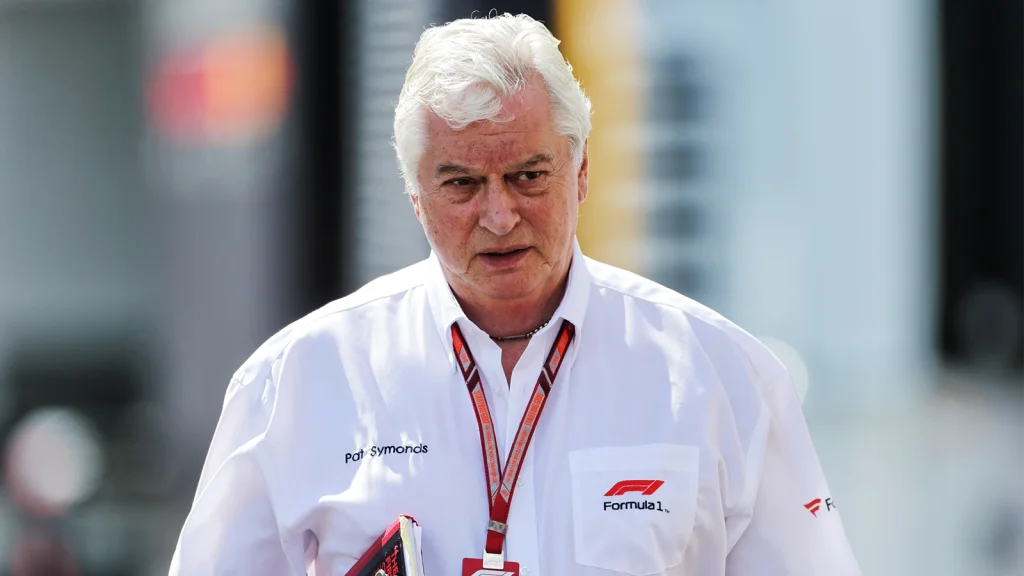
Symonds explains gripe with new 2026 F1 power units
Symonds has argued that rigidity was missing when it came to the 2026 engines. As a result, he feels the final package falls short.
“So I wouldn’t say that the ’26 power units ended up the way I wanted,” he said.
A major issue, in his view, was the removal of the MGU-H. The decision aimed to simplify the engines and attract new manufacturers.
The removal did help draw new names to the grid, with Audi taking over the Sauber team and Ford collaborating with Red Bull Powertrains.
“With the ’26 power unit, the FIA said it wanted to involve the manufacturers more,” he recalled.
“Unfortunately, I think it’s like when you get a committee to design a racehorse, you end up with a camel.”
He continued: “I think that’s happened a little bit, because one of the briefs for the ’26 engine was to remove the MGU-H, because that was something that certainly improved the efficiency of the engines massively, but it was quite complex.
“It was decided to remove that really to try and encourage new manufacturers into the sport, which in some way was successful.
“Ford came in, Audi came in, we’ve got Cadillac come in. Porsche almost came in, they sort of faltered at the last minute.”
However, Symonds believes the lost energy recovery should have been replaced via the front axle.
“But once you remove that energy source… the idea was to replace it with recovering energy from the front axle,” he said.
“If you did that, everything balanced out quite nicely.”
That proposal was dropped amid opposition from one team.
“But unfortunately… one team was very much against front axle recovery,” Symonds divulged.
“I think the president of the FIA at the time, Jean Todt, thought we were talking about four-wheel-drive, which we weren’t.”
The outcome, Symonds says, is an energy-limited power unit.
“So, because of this sort of very democratic approach… we’ve ended up with this camel.
“We’ve ended up with a power unit that’s sparse on energy.”
Despite his concerns over the engines, Symonds remains positive about other areas of the 2026 rules.
“[But] the chassis, the aerodynamics, I think they’re pretty good, the active aero is a good step forward, I think,” he concluded.
READ MORE – Multiple F1 teams unveil new rebrands for 2026 F1 season








Discussion about this post