
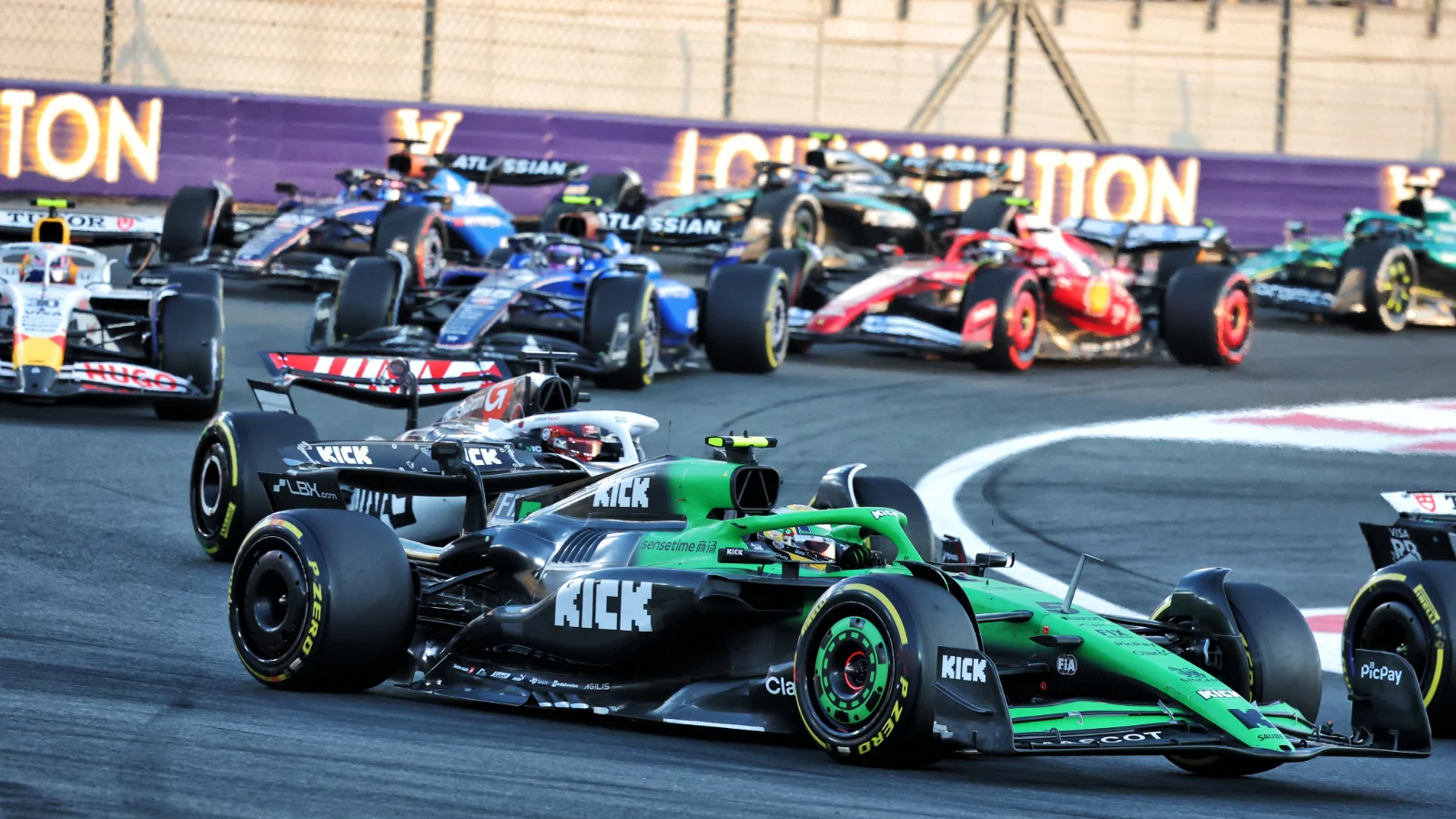
The FIA has revealed that it did contemplate introducing regulation changes during the ground-effect era in Formula 1 to counter the growing dirty air issue.
The 2022 regulations were intended to reduce the turbulence that cars would endure when following, leading to closer and better racing throughout the field.
Looking back, FIA Single-Seater Director Nikolas Tombazis offers a measured verdict on the rules. Progress was made, but the objectives were not fully met.
“I think we’ve made a significant step in the right direction on most of these aims, but I certainly wouldn’t claim total success on everything, so I wouldn’t give us an A star. I would give us a B or a C, or something like that,” Tombazis addressed.
Financial stability stands out as a clear win. The cost cap, while difficult to police, has changed the sport for the better.
“I would certainly say that we cannot even imagine not having the financial regulations now. So I think that has been a success,” he said.
On track, the picture is more mixed, though.
The early seasons of the regulations delivered closer racing, but that effect faded as teams found performance gains that worked against the original intent.
“The technical side, I think yes, definitely cars did get to a point where they could race each other more closely,” Tombazis said, referencing 2022 and 2023.
However, certain areas of the rules proved too flexible.
“Where we don’t give ourselves full marks, is that there were a few, I wouldn’t quite call them loopholes, but there were certainly some areas of the regulations that were a bit too permissible let’s say,” he continued. “And that enabled teams to adopt solutions which created outwash.”
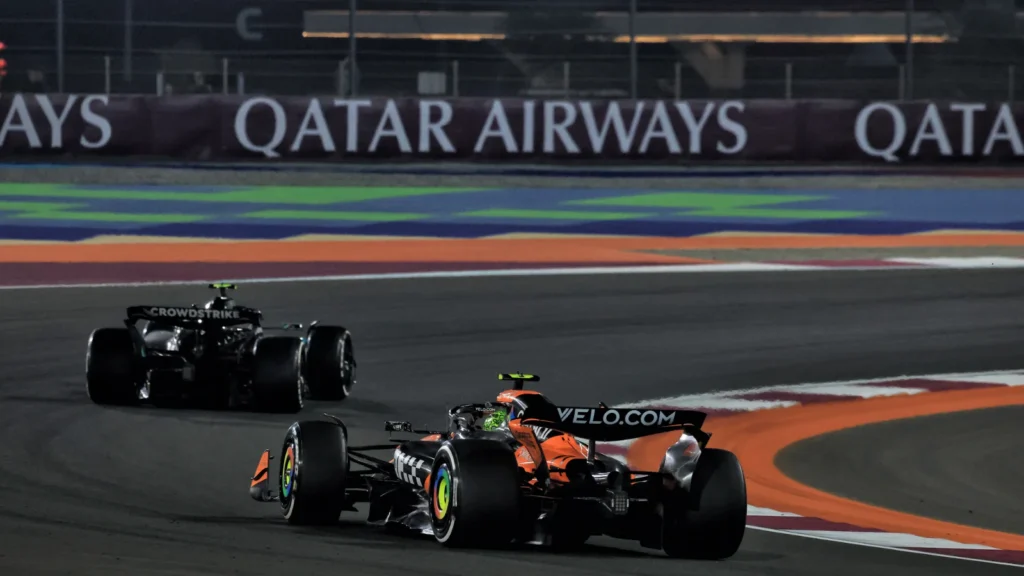
Tombazis pointed to several key components. The front wing endplates evolved away from their intended inwashing role.
Teams also pushed the limits around front-wheel drum designs and the edges of the floor.
“The main areas were first of all the front wing endplate,” he explained.
“The front wing endplate was originally planned to be a very inwashing device… It led to profiles being quite outwashing in that area and creating a lot of outwash.
“The other area where they exploited a lot was the drum design of the front wheel, the furniture on the inside of the front wheel.
“And I would also say the edges of the floor were in that category. These were the main areas of performance deterioration from the intent of the rules.”
The combined effect increased dirty air and made following harder than it had been at the start of the cycle. The FIA did consider stepping in earlier, but the proposal stalled.
“These areas I mentioned, it’s not like that is something new today. It was also the case two years ago. Why we didn’t [change the rules]? Well, we tried, but we didn’t have enough support among the teams,” Tombazis said.
Mid-cycle regulation changes require broad agreement, something the FIA could not secure.
“It needs governance to change regulations during a cycle – and therefore it means that a large number of teams need to support certain changes. It’s not just us wanting to do something.”
Looking ahead to the next set of rules, Tombazis is cautiously optimistic. Reducing dirty air has once again been a priority.
“The outwash, we obviously believe that it will be better, but let’s have this discussion in two years and hopefully we will tell you that it was all OK and we will be all smiling,” he concluded.
READ MORE – Mercedes details why it failed to conquer F1’s ground-effect era




Discussion about this post