
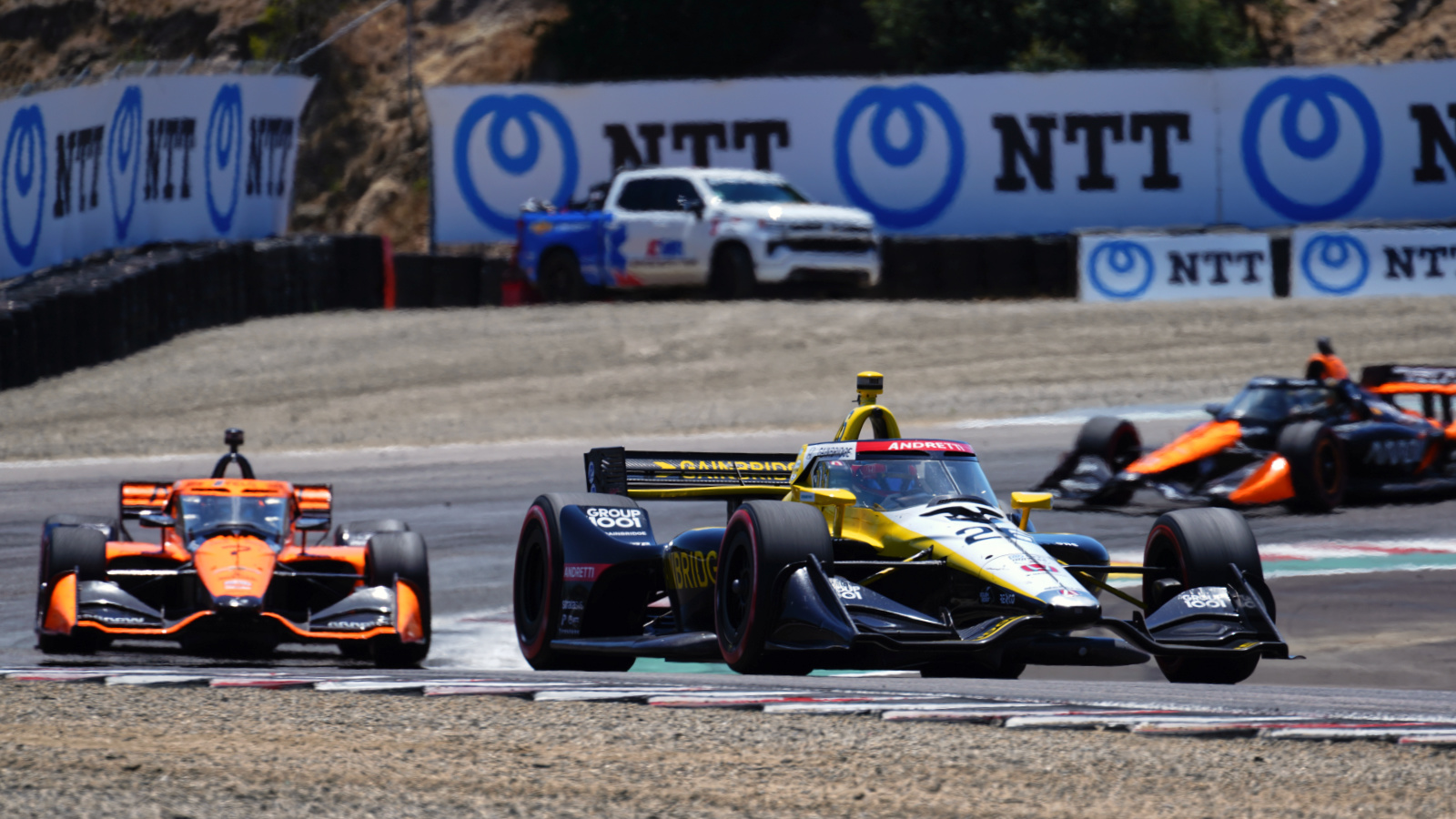
The World Motorsport Council has announced that the allocation of super license points awarded to the NTT IndyCar Series has been increased beginning in 2026.
A super license is needed for a driver to compete in Formula 1, and points towards that license are awarded for a driver’s performance in other select racing series.
A total of 40 points are needed for a driver to be considered for the license, with totals from the past three years added together.
Super license points are still awarded for drivers finishing first through tenth in IndyCar’s championship points standings, with the title winner continuing to earn a full allocation of 40 points.


Differences come when a driver finishes third through ninth in the championship.
The FIA’s old system allocated points as 40-30-20-10-8-6-4-3-2-1 for first through tenth respectively. The new system from 2026 will be 40-30-25-20-15-10-8-6-3-1.
The new points structure helps alleviate a long-held view from IndyCar fans that the American series is undervalued in the super license system.
Despite being a top-level category of open wheel racing that features some of the closest competition, Formula 2 awards more points.
In Formula 2, all three drivers finishing in the top three championship positions earn 40 points and a tenth place finisher earns three.
The new rules bring IndyCar closer to F2’s structure, but still makes it difficult for drivers stateside to earn their way into F1.
Too late for Herta
If it had been implemented a few years ago, the reallocated points structure could have helped Colton Herta into F1 sooner.
The Californian had earned 32 super license points at the end of 2022, and was denied an exemption by the FIA.
There was interest from Red Bull at the time to place Herta in an Alpha Tauri seat for 2023, but the lack of a license meant he continued in IndyCar for three more years.
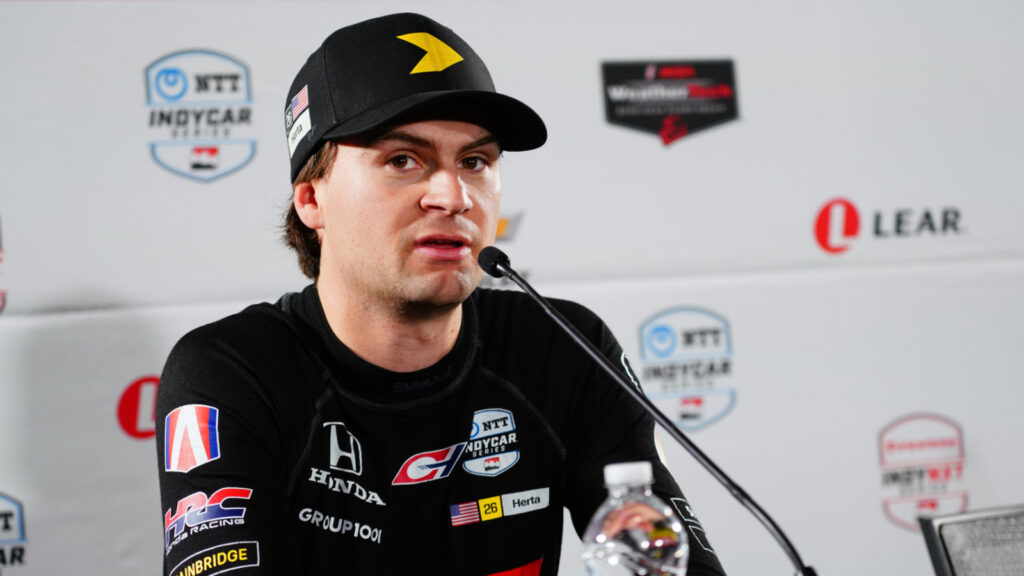
The new points structure would have seen Herta sitting at 48 points at that time, above the 40-point threshold.
Since the new points structure was not in place to help Herta three years ago, the 25-year-old is currently lined up to compete in Formula 2 next season with Hitech.
He will attempt to gain enough points in 2026 to be considered for an F1 seat the following year.
The new structure could potentially help other IndyCar drivers in the future make their way into F1.





Discussion about this post