
The FIA has confirmed a set of one-off changes to the rules set for the 2026 Formula 1 season, in line with adjustments to the brand-new set of technical regulations
2026 sees F1 begin a new generation through a radical new set of rules which is threatening to shake up the sport in ways not seen since the introduction of the hybrid era in 2014.
Along with new 50/50 hybrids, that promise to change driving styles via lap-by-lap energy conservation, there is no more DRS and a reduction in ground effect, along with new tyres from Pirelli.
As the 11 teams – including newbies Audi and Cadillac – get to grips with the new regulations, the sport’s governing body has relaxed some of its previous laws on testing.


Firstly, the teams will now have access to 60 members of on-track staff, as opposed to the previous 58, which is, according to the FIA, “to ensure teams can operate the new generation of cars effectively.”
There is, as is of course common knowledge, the schedule of three separate tests, the first commencing in January at the Circuit de Barcelona-Catalunya.
The second and third will be at its now customary pre-season testing location – the Bahrain International Circuit – which will both take place in February.
These changes have been approved at a meeting of the World Motor Sport Council [WMSC] this week, with ratification now required from the F1 Commission.
Bodywork adjustments and Sprint rules also approved for F1 2026 by FIA
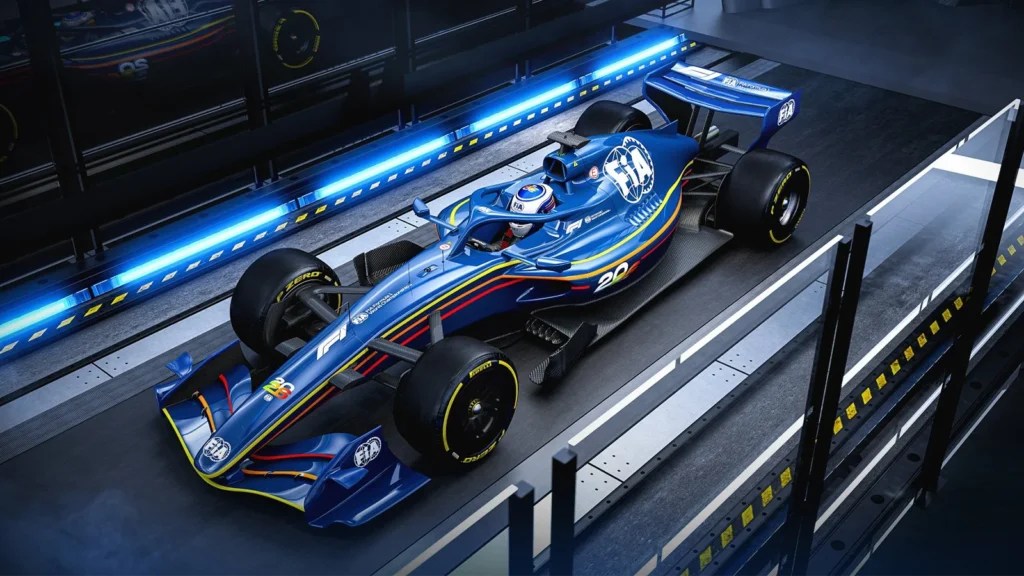
Other alterations have included the introduction of bodywork-related changes, which will be adjustable by drivers, from ‘straight-line’ to ‘cornering’ modes, with wing angles lowered and raised.
Sprint weekends, a contentious subject already, will see some slight changes, too, with Race Director Rui Marques now given power to extend the singular practice session if truncated by a red flag.
And furthermore, restrictions on the usage of tyres during Sprint qualifying “will no longer be removed when a period of [it] is declared wet.
There has also been a restructing on the rules concerning race restarts and race suspension, which have been categorised thus: General Regulatory Provisions (section A), Sporting Regulations (B), Technical Regulations (C), Financial Regulations for F1 Teams (D), Financial Regulations for [power unit] Manufacturers (E) and Operational Regulations (F).
READ MORE – Williams gives fans vote to choose testing livery for F1 2026 car









Discussion about this post