
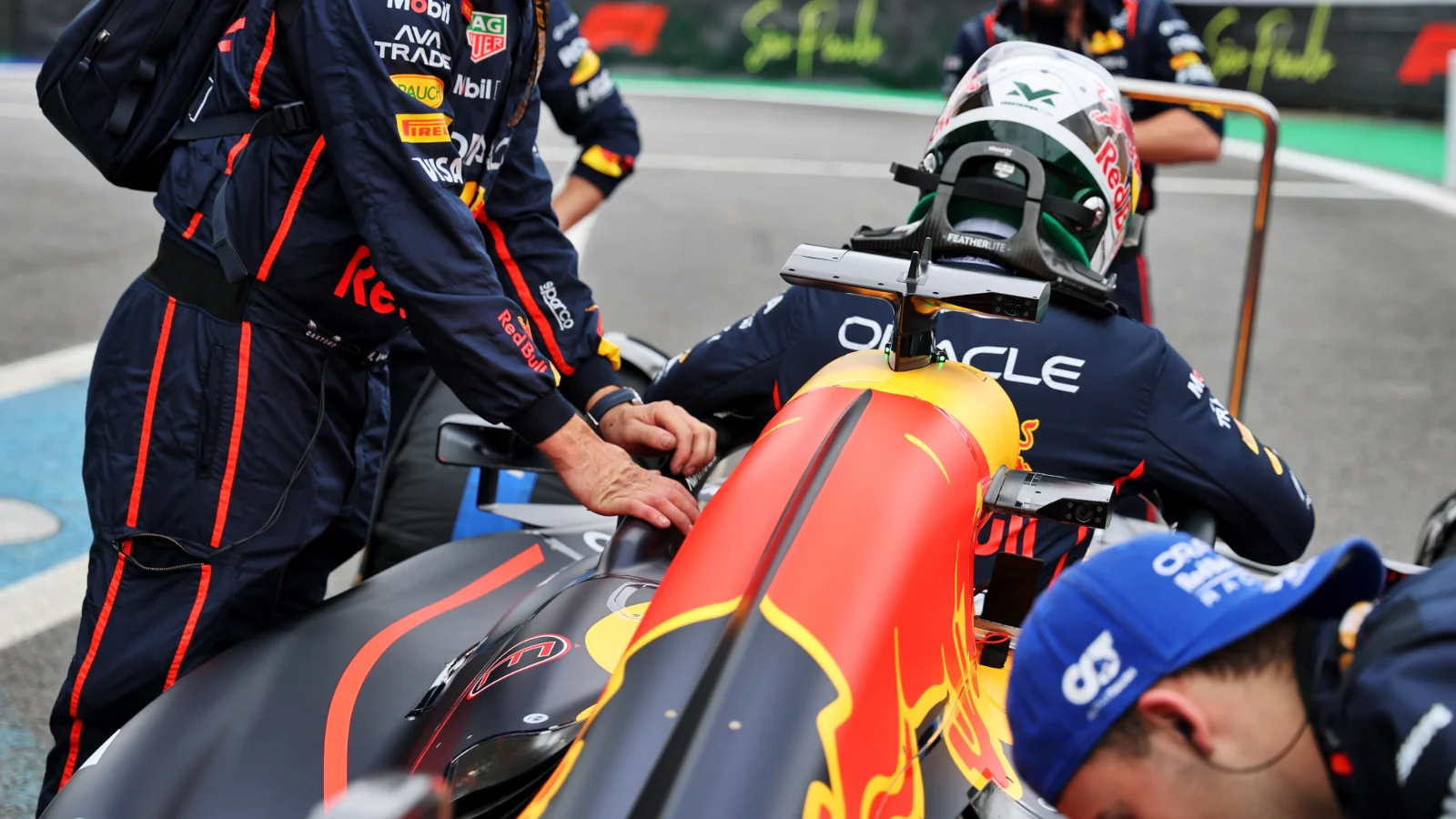
The FIA has admitted to a “weakness in the current regulations” as Red Bull defended its “legitimate” engine swap for Max Verstappen at Formula 1‘s Sao Paulo Grand Prix.
The debate over the cost-cap regulations erupted once again after the race at Interlagos two weeks ago.
The Milton Keynes-based squad opted to fit a brand new engine in Verstappen’s RB21 after a disappointing qualifying saw the Dutchman eliminated in Q1.
This power unit change worked wonders for the four-time F1 champion as, despite a pit-lane start, he stormed through the field to end up on the podium.


After the 71-lap race, however, McLaren demanded clarifications from the governing body of the sport on whether the swap would impact Red Bull’s cost-cap allocations.
According to the incumbent rules governing the maximum spend limit for the teams, power unit changes will have to be included in the cost-cap calculations if such a change was warranted “due to accident damage or other cause induced by team.”
The term “induced”, however, provides a very wide range of interpretation, prompting the Woking-based squad to raise its point of contention.
McLaren argued that any power unit change brought about with a performance advantage in mind had to be construed within the definition of the word “induced” as per the regulations.
The FIA, though, insists that it cannot strictly impose such a mandate upon Red Bull, given the current construction of the regulations.
Conceding to a potential loophole, the FIA single seater director Nikolas Tombazis explained that, as things stand, it could not get into a “detailed investigation” and has to agree if a team says the motivations behind an engine change were purely for reliability reasons.
“We don’t feel we have the expertise to argue with them whether it’s really a reliability or strategic change,” he told media including Motorsport Week.
“In some cases it’s obviously in one or the other camp. But when you’re in that crossover area, it would be difficult.
“So this has been a weakness in the current regulations – the combination of financial plus technical and sporting – and it’s been an area where we’ve adopted this approach where we accept these changes without getting into discussion about the impact on the cost cap.”
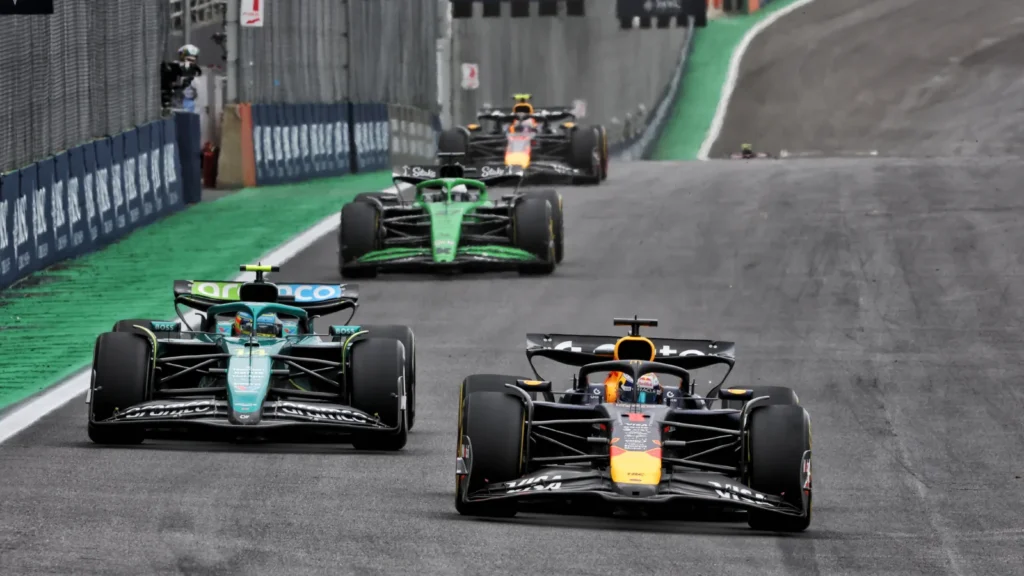
Red Bull insists ‘nothing unusual’ with Verstappen power unit swap
The FIA’s admission doesn’t directly impact Red Bull’s cost-cap calculations for this season, but it affirms McLaren’s apprehensions.
That said, the six-time Constructors’ Champions are adamant that its actions are well within the confines of the rule-set, with or without a grey area involved.
In fact, Red Bull Chief Engineer Paul Monaghan argues that there isn’t a “grey area” in the regulations at all.
“What we did is defendable, it’s legitimate and if you go back through, even this generation of cars from say ’22 to this year, people have made engine changes. There’s nothing unusual in it,” asserted the Briton.
“I don’t think it’s a grey area. As far as I’m concerned, we justified to ourselves what we were going to do. If we’re questioned on it, fine, we will justify it.”
But when asked if he could definitively confirm whether Red Bull’s motivations were purely reliability-based or more focused on performance, he replied: “I’m not going to answer that question because I’m not a finance regulation expert.”
“I know roughly what we need to do and what’s in and what’s out. But I believe our actions we can defend, and there will not be a penalty against us at the end of the year for it.
“That would be an answer with my knowledge on it. I don’t want to speculate as to how we’re treating it within the financial regulations, because I may get it wrong and then I look even more of an idiot than normal. So I’ll leave it at that, if I may.”
READ MORE – Max Verstappen to explore taking Daniel Ricciardo’s F1 number








Discussion about this post