
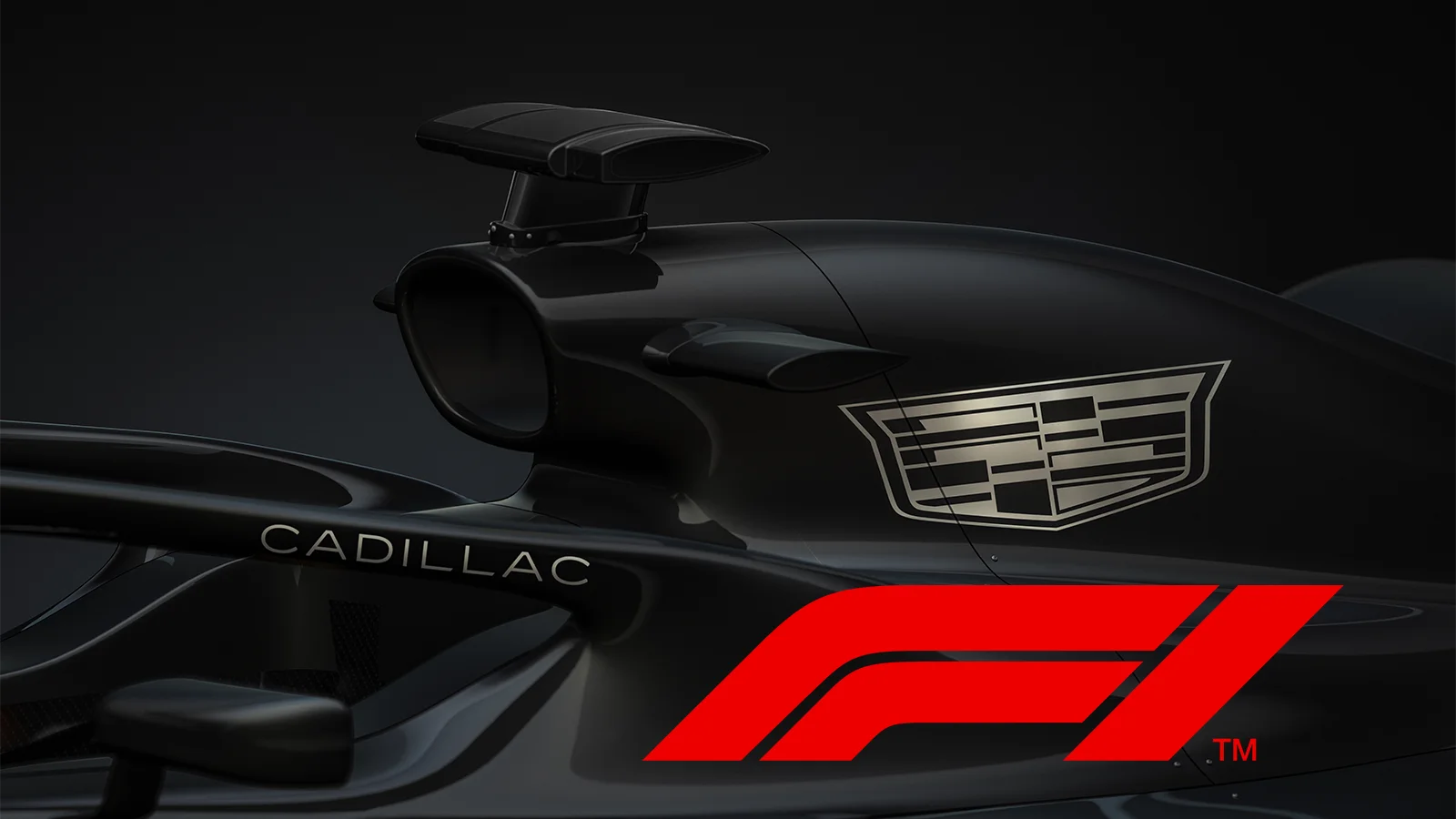
When the lights go out on March 8 next year, Formula 1 will welcome its first brand-new team in a decade and representing one of America’s most iconic automakers: Cadillac.
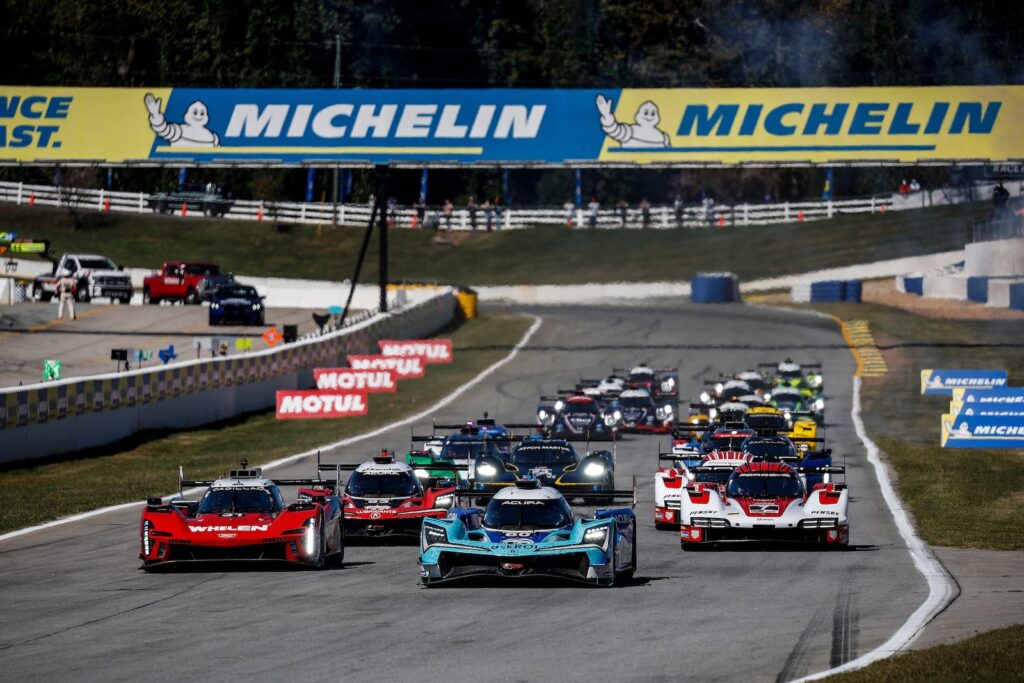
Cadillac’s racing pedigree runs deep. The brand’s motorsport roots stretch back to NASCAR in 1949 and Le Mans in 1950. In recent years, it dominated the IMSA WeatherTech SportsCar Championship, winning four straight Daytona 24 Hours from 2017 to 2020, three IMSA titles and a podium finish at Le Mans in 2023. Clearly, Cadillac knows how to race.
But Formula 1 is a different beast. No other sport demands such precision, technology, and teamwork – and even massive budgets don’t guarantee success. Toyota, the world’s largest automaker, entered F1 in 2002, made 278 starts over eight seasons, and never won a race.
Today’s Formula 1 grid is tighter than ever. The front rows are often separated by hundredths of a second. Winning requires not just the right car and driver, but flawless coordination across design, engineering and strategy. As Red Bull’s 2024 season showed, even the best can falter: the team won seven of the first ten races, then lost momentum and finished third in the Constructors’ Championship behind both McLaren and Ferrari.

So why would Cadillac take on such a brutal challenge, one where finishing last is almost inevitable at the beginning? The answer is that Formula 1 offers something no other racing series can – a global stage!
All about visibility
For Cadillac, this isn’t just about racing, it’s about visibility. Formula 1’s global audience has exploded in recent years, with Netflix’s Drive to Survive series, which debuted in 2019, playing a pivotal role in that success. The sport now boasts 827 million fans worldwide – up 63% since 2018 – reaching more than 10% of the planet’s population.
Formula 1 also offers a level playing field Cadillac couldn’t have found a decade ago. Simplified 2026 regulations coupled with a spending cap have made the point of entry more realistic for newcomers than ever before.
And if Cadillac can eventually make an American team a consistent front-runner in Formula 1, the marketing payoff would be enormous, particularly when its brand recognition is comparatively less in regions beyond North America.
American teams generally haven’t had much success in Formula 1 – another reason to get into the race. Haas, though now in its tenth season, has yet to put a driver on the podium in over 200 grands prix.
You’d have to look back half a century before finding a winning American team, when John Watson’s Penske-Ford triumphed on the original Osterreichring in Austria in 1976, and Dan Gurney’s Eagle-Weslake win at Spa in Belgium in 1967. Only those two U.S. owned teams have ever won a Formula 1 grand prix.
When it comes to building out the team, Cadillac isn’t taking shortcuts. This isn’t a simple sponsorship deal like Sauber changing its name to Alfa-Romeo Racing in 2019 even though it was a purely commercial partnership with no technical involvement from Alfa at all.
Quite admirably, Cadillac has gone about it in a completely different way, reliant on none of the existing Formula 1 stakeholders to get it onto the grid. Instead, Cadillac has partnered with TWG Motorsports, which operates Andretti Global, Walkinshaw Andretti United, and Wayne Taylor Racing.
The new Cadillac Formula 1 cars will be built at a state-of-the-art facility in Fishers, Indiana, near Indianapolis Motor Speedway, which is where the team will be headquartered as well. The team responsible for the operation and design of the cars will be based at Silverstone in the heart of “Motorsport Valley,” home to seven of the ten current F1 teams. That location is crucial as it provides access to some of the world’s top racing engineers and specialists.
But Cadillac’s biggest technical leap will come from its new factory in Charlotte, North Carolina, where General Motors will eventually design and build its own Formula 1 engines. That’s a major statement of intent.
Formula 1 power units remain among the most complex engineering challenges in sport, and leading teams – including McLaren and Williams – rely on outside suppliers like Mercedes in their case. GM’s decision therefore to build its own engine, expected to debut in 2029, shows this is a long-term commitment. Until then, Cadillac will run Ferrari engines, much like Haas currently does.
Experienced hands at the helm
Cadillac has already brought in seasoned leadership to guide its Formula 1 debut. Team Principal Graham Lowdon who previously led the Marussia and Virgin F1 teams and Team Manager Peter Crolla who ran Haas until the end of last year are two examples to point to. While Chief Technical Officer Nick Chester once served as Technical Director at Renault F1.
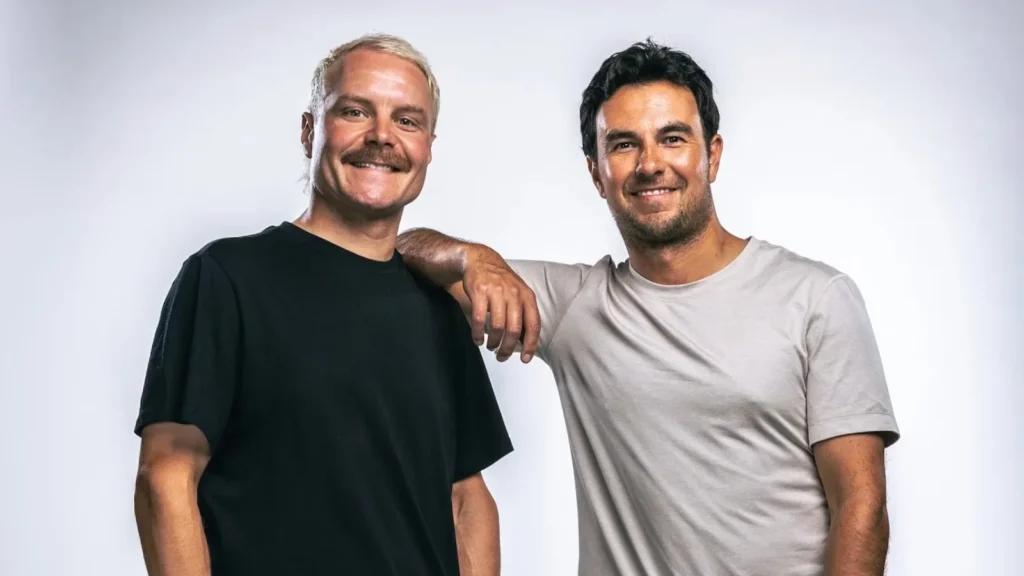
Behind the wheel, Cadillac will field veterans Valtteri Bottas and Sergio Pérez. Both are proven race winners with a combined 527 Grand Prix starts, 16 victories, 109 podiums, 23 pole positions, and 31 fastest laps between them. US IndyCar star Colton Herta and Brazilian-American Pietro Fittipaldi will serve as reserve/test drivers.
Some fans were disappointed not to see an American lead driver, but with limited testing and no U.S. drivers currently on the grid, Cadillac prioritized experience over nationality. With both Bottas and Pérez in their mid-30s, they bring the know-how needed to build a competitive foundation – even if they may not be around when Cadillac reaches its peak later in the decade.
What to expect in 2026
Realistically, Cadillac’s early goal won’t be podiums, it’ll be progress ap the grid. If the team finishes anywhere other than last in its debut season, it will be cause for celebration.
Expectations are modest, and that’s fine. Simply sharing the grid with the likes of Ferrari, McLaren, and Red Bull will boost Cadillac’s image worldwide.
That exposure is already paying off. Since announcing its Formula 1 entry, Cadillac has racked up more than half a billion social media impressions, and its F1 Instagram account has already surpassed 2.5 million followers.
For a niche north American brand seeking to redefine itself as a global performance player, that’s a victory in its own right… For other articles written by this author please see the recent piece about why the best is yet to come with Aston Martin in F1.







Discussion about this post