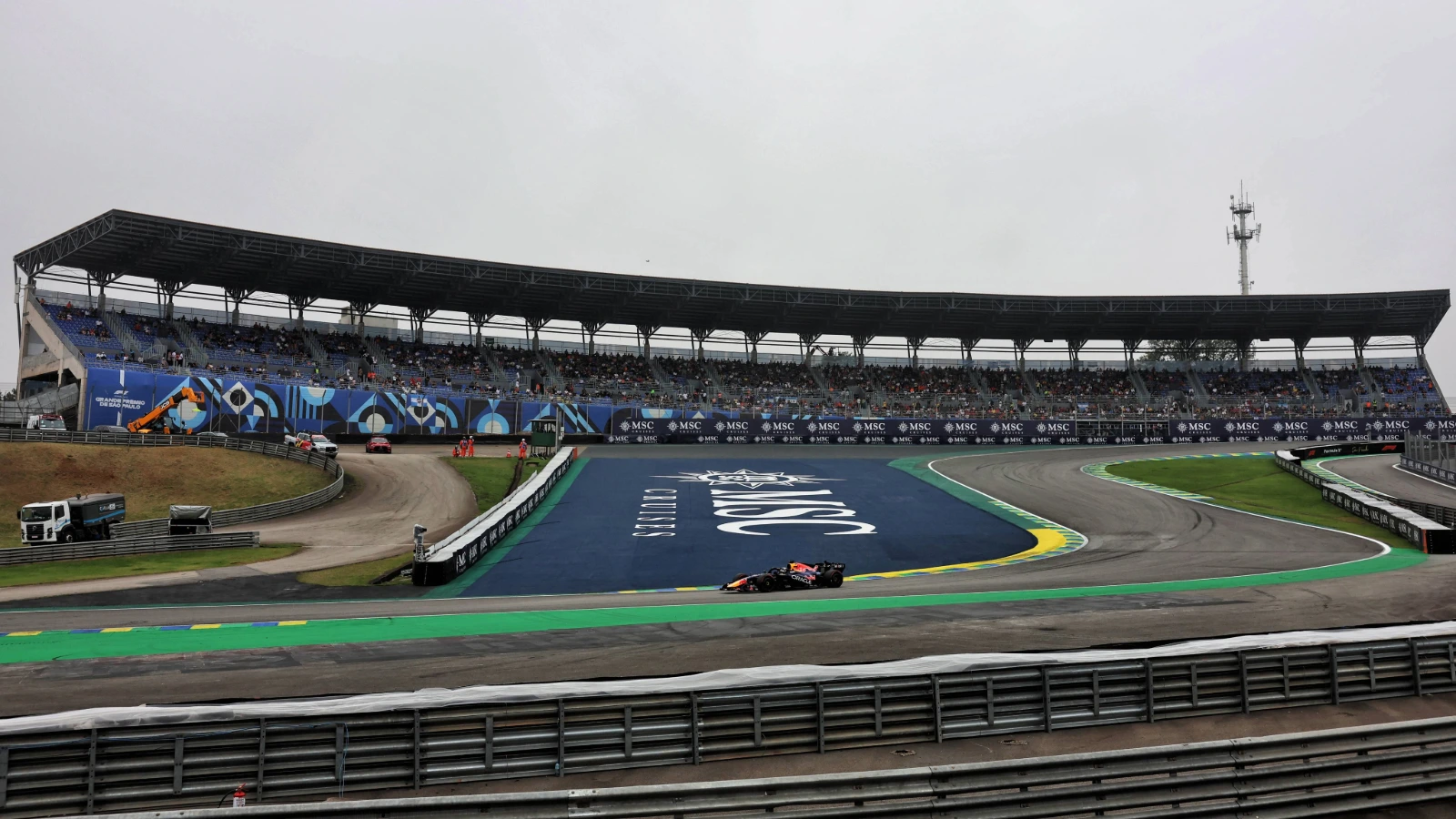
Investors are considering alternative ways to grow their wealth. Rising uncertainty in traditional investments has drawn interest to property, precious metals, private businesses, digital assets and even passion assets such as historic race cars and stakes in Formula 1 teams.
When more investment options are available, investors can build a broader portfolio, much as a Formula 1 team spreads its risk across cars, drivers and strategies. Lebanon is a good example. The devaluation of the local currency has brought into sharp focus the importance of creating a safety net to safeguard wealth, and an investment portfolio that generates returns.
The best investments are those with intrinsic value. Some Lebanese citizens are satisfied with owning, and knowing they are supporting, businesses involved in their community. Digital forms of entertainment are also transforming Lebanon’s commercial market, and nowhere is this more evident than in the industry’s embrace of online gaming and sports betting.
Platforms such as Aviator have won customers by predicting and meeting people’s demand for online entertainment. There are risks associated with it, and the industry has yet to gain major credibility as an investment vehicle, but it does create opportunities in software and website development, digital payment processing and support.


This article is general information, not financial advice. Investments can fall as well as rise, and readers should take independent advice.
Why investors are exploring new financial options
Investments remain the foundation of financial plans. Yet investors today are more discerning. Income-seeking investors may opt to invest in property. Others may wish to own shares of nascent companies. Investors may also wish to pursue interests they have a personal understanding of. The public stock market may seem opaque to many, while others understand different industries and markets from personal experience. Agriculture is but one example.
Some investors are drawn to passions as well as returns. Motorsport is a good example: the value of Formula 1 teams has climbed in recent years, and a number of private investors have bought minority stakes in teams, while collectors compete for historic race cars at auction. Both are reminders that investors often choose assets they understand and care about.
Mobile services are changing finance and entertainment. Sports fans in Lebanon can now follow events and place bets via mobile services, such as the gates of olympus, and no longer need to go to betting outlets. Mobile services raise the same questions for investors regarding the payment services and financial infrastructure of digital businesses as they do for other digital services. The key difference is that, for digital payment services and financial infrastructure, demand is created and customer behaviour is altered by mobile technology.
Changing financial habits in Lebanon
Looking at Lebanon’s recent financial situation offers insight into why people rethink their everyday financial habits. Banks froze accounts during the 2019 banking crisis, and many people began considering how they hold and manage their savings. The way they maintained liquidity and ownership of their savings also became a financial concern.
Likewise, during the last few years, many business plans and investments have been based on the US dollar. The reason is that businesses, especially small and medium enterprises, tend to focus on trade that guarantees a more stable and faster return.
The alternative assets drawing greater interest
Alternative investments take many different forms, and each has its own financial characteristics. It is important to analyse the underlying value drivers of each before making investment decisions.
| Investment type | Main attraction | Important consideration |
|---|---|---|
| Real estate | Rental income and property ownership | Maintenance and local demand |
| Precious metals | Physical ownership and long-term value storage | Price changes and secure storage |
| Private businesses | Direct involvement in business growth | Management quality |
| Collectible and race cars | Rarity, history and brand appeal | Authentication, running costs and liquidity |
| Agricultural projects | Demand for essential products | Weather and production costs |
| Digital assets | Access to new financial markets | Security and market volatility |
| Renewable energy | Potential savings and service income | Equipment and maintenance |
Real estate and physical assets
Property remains a preferred investment choice for many Lebanese investors. These include residential and commercial properties, as well as undeveloped land. Investors look for different returns from their property investments. For some, the return is from rent. Others expect a return from the resale of the land following development.
The location of a property affects its value and its return potential. Proximity to schools, shops and places of employment affects rental potential and the consistency of rental demand. As with property, the location of a business also affects its success. Some investors prefer to preserve their wealth by holding gold, which is particularly attractive for those who do not wish to manage a business.
Collectible and race cars
Another physical asset that has drawn attention is the collectible car, and especially the historic racing car. Rare Ferraris, Mercedes and Porsches with a documented racing history have fetched record prices at auction, and a 1955 Mercedes-Benz 300 SLR Uhlenhaut Coupé was sold in 2022 for €135 million, the most expensive car ever sold. Prices like that are exceptional, but they show what rarity and provenance can command.
Cars are not like property or gold. They carry storage, insurance, maintenance and authentication costs, they can be hard to sell quickly, and values can swing with fashion and the wider economy. For most investors they remain a passion first and an investment second.
Private companies and local enterprises
People wanting to be actively involved in finance can put their money into small businesses in Lebanon. There is potential in industries such as food, other forms of manufacturing and service businesses. Finding the right opportunity requires identifying management potential as well as understanding average sales and costs. The more local knowledge an investor has, the better able they will be to assess a business’s opportunity for expansion based on customer and supplier relationships.
At the top end, the same logic applies to sport. A Formula 1 team is a private company with revenue from broadcasting, sponsorship and prize money, and recent deals for minority stakes in teams have been priced on those revenues and on the sport’s growing global audience. Few investors can buy in at that level, but the principle is the same: understand how the business makes money before putting money in.
Technology is opening access to more markets
Financial technology has disrupted investment and blurred the borders of finance. It has merged key financial activities, including information, distribution and transactions. Investors no longer need to be on site for research and can make informed decisions through digital channels. There are also opportunities for investors to place their capital in different services worldwide with a few clicks, and to invest 24/7 from any part of the world.
Some of the changes digital investment has created include:
- Self-directed investing: investors can be their own portfolio managers by buying and selling securities online.
- Digital and mobile payments: these boosted merchant services and allowed businesses to transact online.
- Cross-border collaboration: business owners can collaborate across borders with investors and clients.
- Financial literacy: the internet and e-learning are raising financial literacy and numeracy.
It is worth noting, however, that the digital finance and investment opportunities available to people living in Lebanon are largely governed by the financial regulations and services provided to residents of Lebanon.
Digital assets and blockchain projects
Blockchain and cryptocurrencies have seen recent market expansion and innovation. Digital currencies facilitate peer-to-peer transactions, and record-keeping and other financial and business activities can be integrated with blockchain. Motorsport has seen the same trend, with several Formula 1 teams signing sponsorship deals with crypto and trading brands.
The international nature of the markets makes these financial instruments available to almost anyone. However, prices are volatile and the protection, if any, afforded to users is uneven across services.
Prior to investing, Lebanese consumers are advised to look beyond testimonials and marketing materials and to determine the mechanisms and controls surrounding the investment. Consumers must understand the answers to fundamental questions about their investments before parting with their money.
Local industries offer practical investment potential
Domestic markets such as Lebanon can also provide opportunities for growth outside international markets. Industries in Lebanon can produce helpful products and services for the population, attracting private investment.
Agriculture and food production
The need for food creates demand for agricultural services, including farming, processing and transport. For every consumer of a farm’s product, there are several farmers and supporting staff. There are opportunities to improve the agricultural economy by investing in farm equipment and storage and by developing distribution and processing facilities. Profits depend on efficient distribution and pricing to meet demand.
Renewable energy and essential services
Dependable electricity is essential for homes and businesses. As interest in solar energy options increases in Lebanon, potential opportunities in various fields, such as installation and maintenance and energy solutions for commercial buildings, become evident. When evaluating potential solar projects, investors assess equipment and the duration of the service contract. A project may be considered attractive if service contracts provide enough energy cost savings to offset the project costs.
How investors can evaluate opportunities
Financial planning for alternative assets requires different methods. You cannot analyse a share of a private company in the same way as an apartment rental. Each has different costs, ownership and income.
Before investing, a few things can be done:
- Determine your goal. Do you want to earn income? Perhaps appreciate your investment? Maybe keep your savings safe?
- Get to know the investment. Figure out what makes it valuable and what creates interest.
- Look at the expense. What will it cost to own? What will it cost to sell? What taxes or fees apply?
- See who owns it. What powers and restrictions does owning it give you? What powers and restrictions does owning it give others?
- Think about timing. When can you get your money back?
Looking at these factors can help you investigate alternative investments and evaluate which ones are actually the best.
The value of a balanced portfolio
Investors work to achieve balance by dividing their money into several investment types. Real estate, precious metals and business investments each offer differing risks and rewards.
The investment plan also depends on the individual’s personal situation and goals. A parent saving for a child’s education will have a different investment plan from a self-employed person saving for retirement. Having savings available for short-term needs and investing for long-term goals allows an individual to meet short-term goals without having to sell their investments.