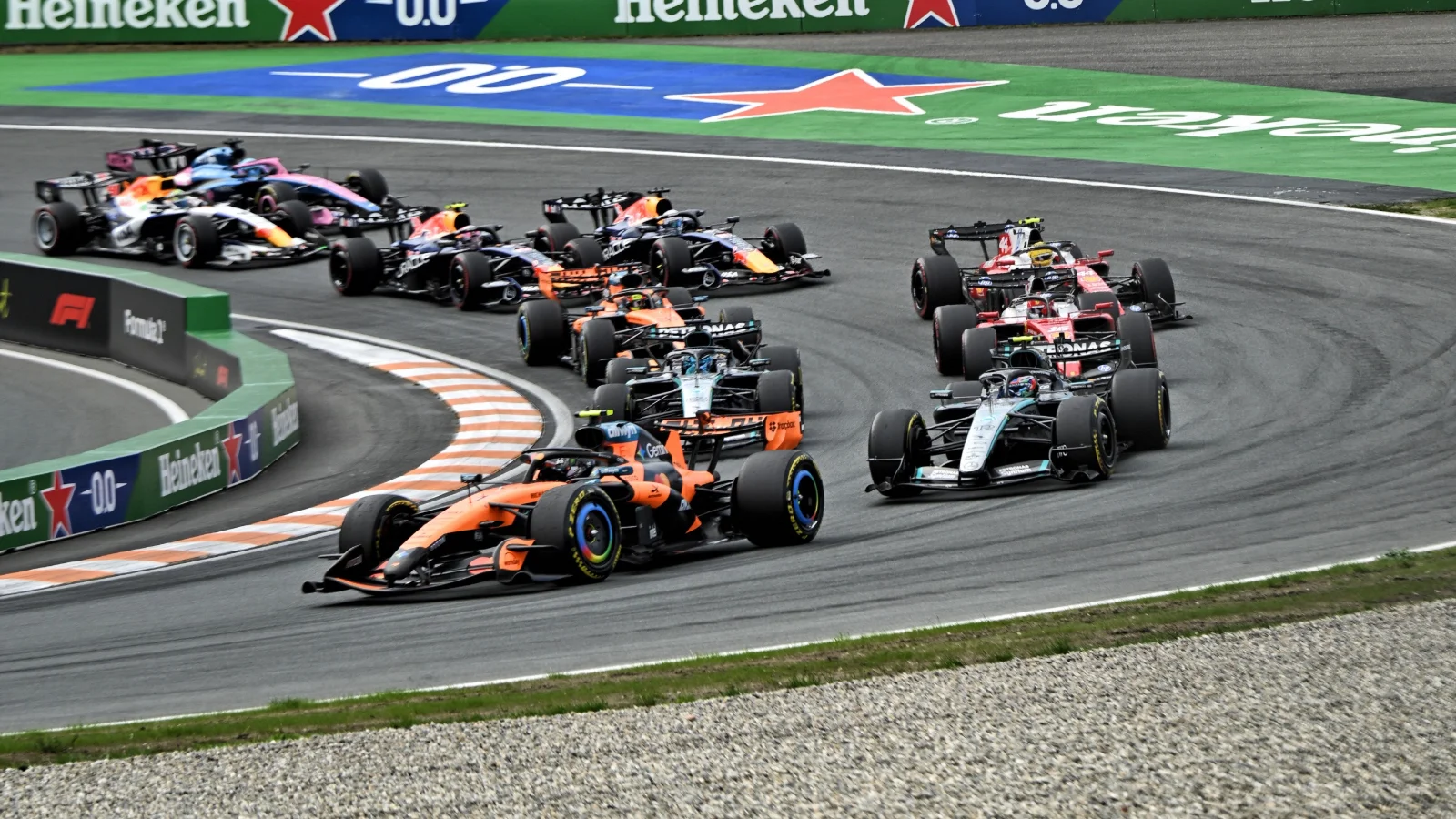
Following motorsport used to mean finding a television broadcast, checking the results, and waiting for the next race. The digital experience is much broader now. Fans can watch onboard footage, follow live timing, compare drivers across decades, track obscure championships and keep up with several races happening around the world.
The useful part is knowing which services actually add something. The ten below each serve a specific purpose, from following a race as it happens to finding out where a lesser-known series is competing next.
1. Urban VPN
A free VPN can be useful for motorsport fans who watch races or follow championship coverage while travelling, particularly when using hotel, airport or café Wi-Fi. It adds an encrypted connection between the device and the VPN service, which can provide additional privacy on networks the user does not control.
That is useful beyond race day. Fans often use multiple networks when travelling to circuits, and protecting the connection can make sense when accessing accounts, ticketing services or other personal information.



2. F1 TV
F1 TV is one of the most detailed digital options for Formula 1 fans. Depending on the subscription tier and location, it provides live sessions, onboard cameras, team radio, live timing, telemetry, driver maps, and access to a large archive of previous races.
The advantage is context. Instead of watching one broadcast angle, fans can follow what individual drivers are doing and see how strategy develops during a race.
3. MotorsportWeek.com
MotorsportWeek.com is useful when following several championships rather than one series. Its live section provides session updates, live text commentary, timing and results across major events.
For fans who follow F1 but also dip into endurance racing, Formula E, WRC, IndyCars or other categories, it can act as a single place to check what is happening without opening a separate site for every championship.
4. RacingCalendar.net
RacingCalendar.net solves a much simpler problem: figuring out when and where races are happening. It covers thousands of championships and events, with filters for series, countries, and dates, and lets users follow specific championships and circuits.
This becomes especially useful once you move beyond the major series. A fan can find a regional touring-car event or a smaller historic championship that would otherwise be difficult to discover.
5. DriverDB
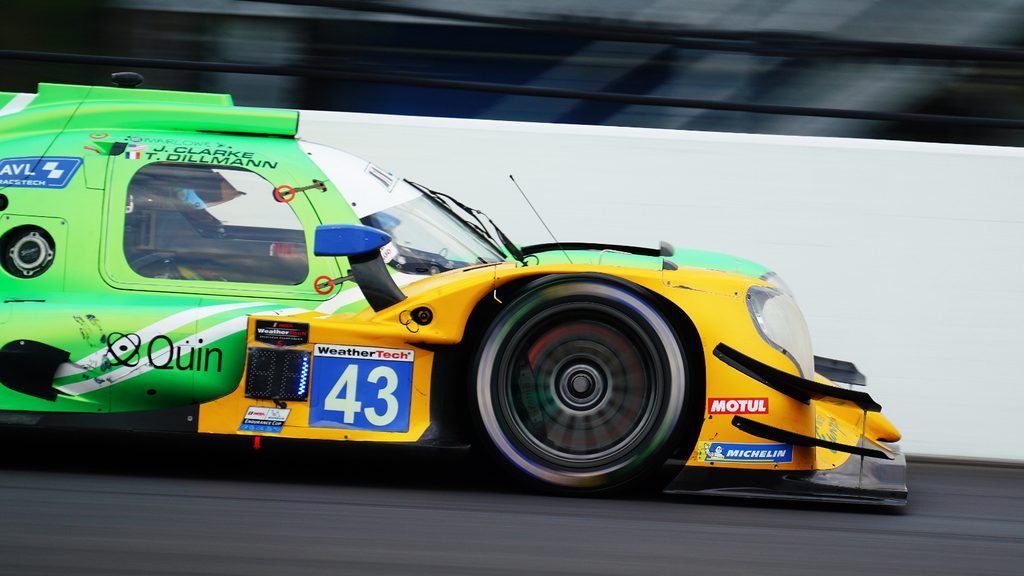
DriverDB is effectively a motorsport database for people who want to go beyond the current season. It tracks drivers, race results, teams, championships, and tracks across a huge range of categories.
It is particularly useful when a driver suddenly appears in a new series and you want to know where they raced before, or when comparing careers that span multiple championships.
6. Motorsport.tv
Motorsport.tv is worth knowing for fans whose interests extend beyond Formula 1. Its focus on motorsport video makes it useful for finding races, archived footage, and coverage from categories that may receive little attention from general sports broadcasters.
It can also make discovering unfamiliar series easier. A fan who starts with one championship can quickly find themselves exploring an entirely different discipline.
7. The official Formula 1 app
The Formula 1 app is useful when the priority is live information rather than watching every session. Its timing features include leaderboard data, telemetry, tyre information, driver maps and team-radio clips.
That makes it a good second-screen option. A viewer can keep the race on a television while using a phone or tablet to check gaps, tyre strategies and position changes.
8. Discord
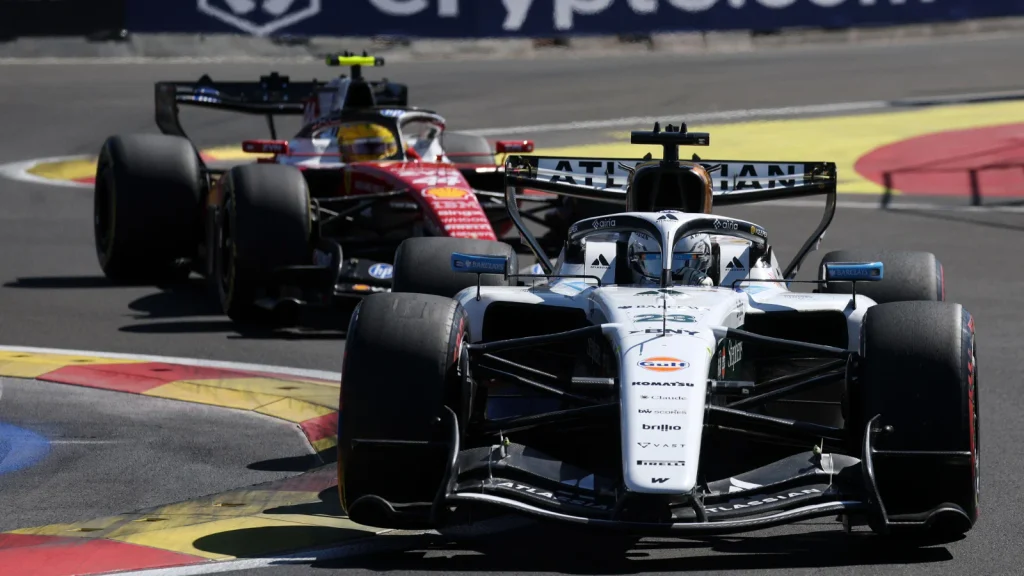
Discord brings a different element to following motorsport. Rather than providing the race itself, it creates a place for fans to discuss what they are watching while it happens.
That can be particularly useful for niche series with smaller online audiences. A specialist server may have fans discussing technical changes, driver performances, or incidents that receive little attention elsewhere. The quality varies between communities, but the immediacy is difficult to replicate through traditional post-race coverage.
9. Google Calendar
Google Calendar sounds basic compared with live timing systems, but it solves a genuine problem for people following multiple championships. Race weekends often involve different start times, qualifying sessions, sprint events, and time zones.
Adding key sessions to a calendar means they do not disappear beneath everything else happening during the week. It is especially useful when following several series whose schedules rarely line up neatly.
10. Racing-Reference
Racing-Reference is aimed at the statistical side of motorsport. For fans interested in historical results, driver records and comparisons, it provides a way to investigate how a current result fits into a much longer record.
That can change how a race is viewed. A driver’s unusual qualifying position, a team’s recent form, or a particular track result becomes more meaningful when there is historical data to compare it against.
Putting the tools together
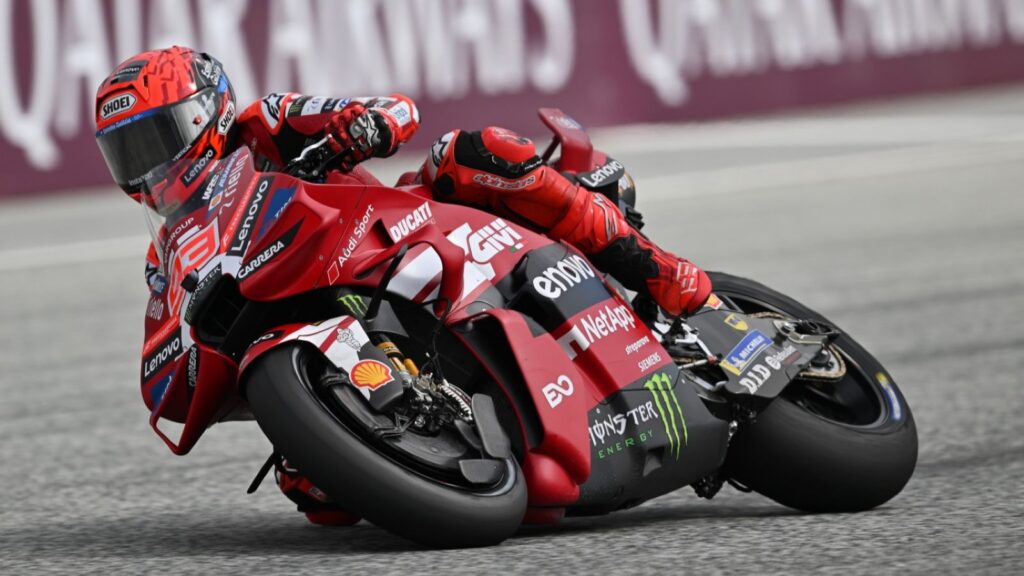
The most useful combination depends on how seriously you follow the sport. Someone who watches Formula 1 casually might only need F1 TV or the official app, while a more committed fan could combine live timing with DriverDB, use RacingCalendar.net to discover other championships, and join a Discord community during major events.
That reflects how digital engagement among motorsport fans has changed the experience itself. Following a race can now mean watching, researching, discussing, and analysing at the same time. It also creates more opportunities to compare information around the sport, including the factors that distinguish online sportsbooks for motorsport betting.
The point is not to have ten tabs open for every grand prix. The better approach is to choose the services that match the way you actually follow racing. One might provide the live action, another the data, and another the history behind it. Used selectively, those tools can make a race weekend feel much bigger than the broadcast alone.