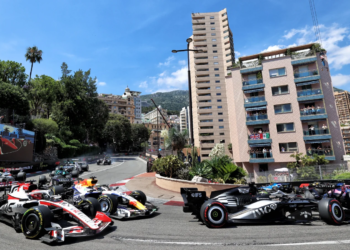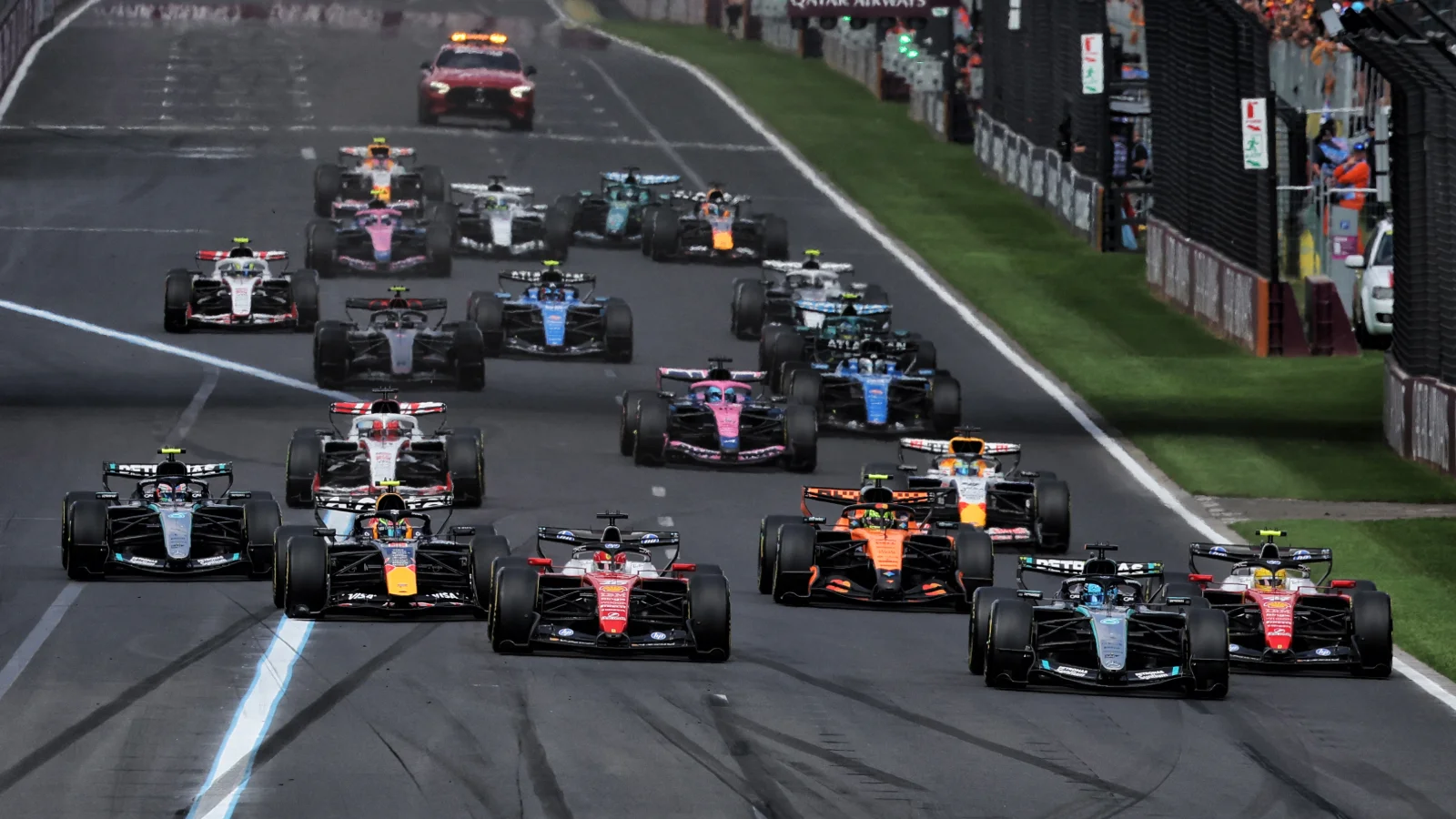
For more than a hundred years, there has been a fixed rule driving automotive progress: race on weekends, launch new car technology for sale on workdays. The logic is simple — brands test new ideas under the most demanding conditions motorsport can provide, then apply those proven technologies to mass-produced cars.
By 2025, this process has become faster, more thorough and more visible than at any point in racing history. The technical gap between the professional race cars seen at Le Mans and grands prix, and the ordinary cars available at local dealerships, has shrunk to its smallest level ever.
The hybrid revolution driven by WEC and F1
When Formula 1 adopted hybrid power unit regulations in 2014, opinion in the paddock was divided. Many felt turbocharged V6 hybrid engines were overly complicated, lacking the sound and character of what had come before. Those critics underestimated the scale of what was being developed.
The energy recovery systems designed to recycle power from braking and waste heat have since become the core design principle behind mainstream mild hybrid and full hybrid vehicles on sale today.


The World Endurance Championship’s Hypercar era has pushed development further still. Both Le Mans Hypercar and LMDh regulations require manufacturers to build powerful hybrid systems capable of surviving hours of sustained high-intensity use. Toyota, Ferrari, Porsche, BMW and Cadillac are not simply running theoretical experiments at Circuit de la Sarthe — they are validating complete power assemblies that will be refined and fitted to road cars within a few years of each racing season.
Aerodynamics: From wind tunnel to windshield
Active aerodynamic components were once the exclusive preserve of Formula 1. Adjustable baffles, moveable bodywork panels and flexible aerodynamic surfaces that respond automatically to speed and conditions were considered far too complex and costly for road use. That view has long since been overtaken by reality.
Lamborghini, Porsche and Mercedes-AMG now equip mainstream performance models with active rear spoilers, adjustable front splitters and underbody airflow management systems — all developed directly from racing car research. The influence extends to subtler details too. The underbody channelling on modern sports saloons, the streamlined mirror housings and the vented bonnet designs on high-performance cars all trace their origins to endurance racing and GT programme wind tunnel work.
Electronics, data and the connected car
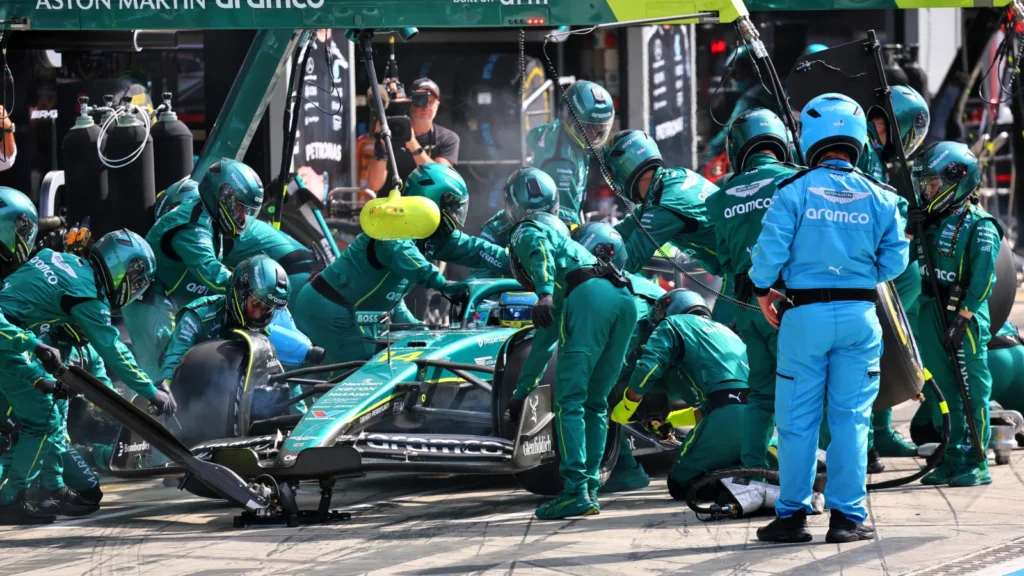
A contemporary Formula 1 car carries more than 300 sensors and generates around 1.5GB of monitoring data per lap. The analysis systems, predictive software and real-time adjustment technology developed to process that information bear a close family resemblance to the advanced driver assistance systems now standard on new road cars.
Lane-keeping assistance, torque vectoring, stability control and autonomous emergency braking all operate on principles first developed and validated in top-level motorsport. The connection between race car electronics and road car safety technology has never been closer.
The EV frontier: Formula E and beyond
No racing series has accelerated the practical development of electric vehicles more directly than Formula E. Since its inaugural season in 2014, the championship has served as a live test environment for battery management, regenerative braking efficiency and thermal stability under sustained high-load conditions.
Porsche, Jaguar, Nissan and DS are among the manufacturers whose third-generation Formula E programmes feed directly into their road car electric vehicle development. The challenges that determine race results in Formula E — sustained range under high-speed load, single-pedal energy recovery, flexible power output management — are precisely the engineering problems that define the real-world performance of electric road cars.
Racing DNA in road car accessories
The influence of motorsport culture extends well beyond mechanical performance. Racing-inspired exterior design, carbon fibre detailing, brand identity and lighting have become defining elements for road car enthusiasts worldwide.
Manufacturers with deep racing heritage attract loyal owners who want that connection to extend to how their cars look. Audi’s dominance in 1980s rally and its Le Mans record have built a following that takes genuine pride in the brand’s competition history. Cadillac’s endurance racing return through the V-Series.R programme has similarly energised its road car community.
Specialist brands have responded to that appetite. Companies like CarLightsLogo develop LED illuminated car emblems and personalised exterior lighting that bring racing-style visual identity to everyday vehicles — the same glowing brand presence seen across paddocks and pit lanes translated into something any enthusiast can fit to their own car.
The road ahead
The pace and depth of technology transfer between motorsport and road car manufacturing has reached an unprecedented level. As Formula 1, the World Endurance Championship and Formula E continue exploring new energy systems, advanced aerodynamics and AI-assisted control, the gap between what races and what people drive will keep narrowing.
Every car on the road today carries within it the results of countless racing programmes, technical breakthroughs and competitive pressures that pushed engineers to find solutions they might never have reached otherwise. The old rule still holds: racing pushes technology forward, and that technology eventually serves every driver. It just travels faster than ever before.