Maybe it’s unsurprising that horse racing and Formula 1 share many common elements. Motorsport borrowed many rules and even terminology from horse racing, down to the word “paddock,” where horses and vehicles alike are stored and managed in anticipation of races.
It’s a source of constant comparison and similarity, even if the viewing audiences may ultimately differ fairly dramatically. Here we look at the similarities between horse racing and motorsport, particularly in how these sports are managed.
Asset protection
One of the first overlapping commonalities between the sports is a focus on asset management. In the context of horse racing, the term “asset” is a little loaded in that it refers to a living creature.
Horses are the stars of the show. When you log on to websites like TwinSpires for betting bonuses and wagering guides, you’re typically looking at a list of animals, not the jockeys or trainers behind them.

However, it’s the support-side resources that are ultimately the most impactful in the long term. The average horse might only race for two to three years before being retired, but horse management teams, ownership groups, and jockeys will apply proven strategies to many different animals. They are, naturally enough, the brains of the operation.
From this perspective, the horses are both living creatures and a means to an end — assets that need to be guarded carefully from disease and injury.
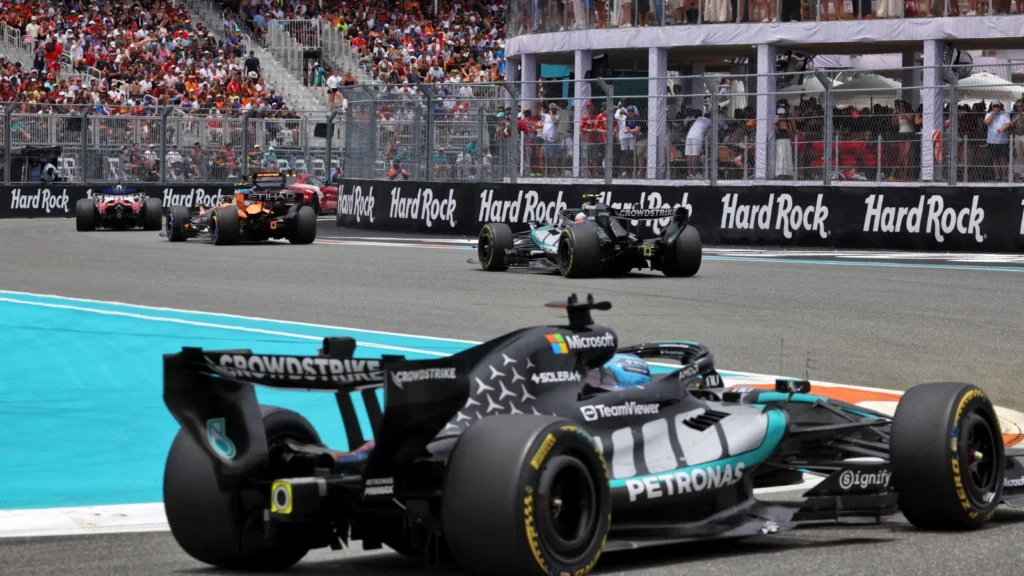
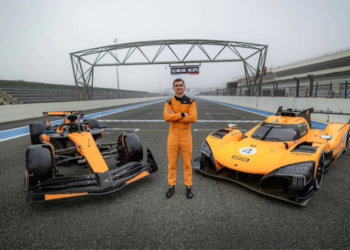
With motorsport, the situation is a little different. Yes, the car is what you’ll wind up watching as a spectator, but most people are familiar with the drivers themselves. The cars are better recognised as a means to an end. Nevertheless, in the paddock, they’re maintained just as carefully as horses are, to ensure both reliability and safety.
Pedigree
The word certainly applies to both sports, even if it’s used very differently.
In horse racing, pedigree refers to breeding lineage. Animals are carefully cultivated even before they’re born, with horse management teams meticulously studying genetics and spending hundreds of thousands of dollars in certain cases to ensure that animals are bred with winning traits most conducive to race day success.
Speed, health, injury resistance, and other factors are prioritised as a way of ensuring that the horse chosen for competitive racing is going to be reliable enough to justify the sometimes millions of dollars that go into preparing it for major events like the Kentucky Derby.
In motorsport, pedigree is naturally different. No one is breeding engines, but the car’s capabilities and history do still play a factor. Many people gravitate toward motor groups or teams not necessarily based on the racer, but because of their feelings toward a particular manufacturer.
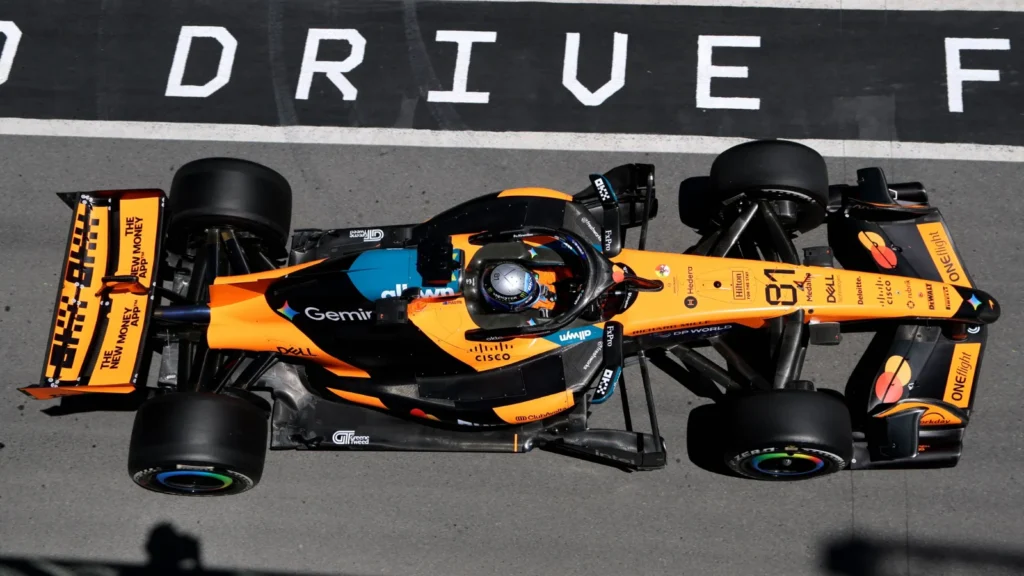
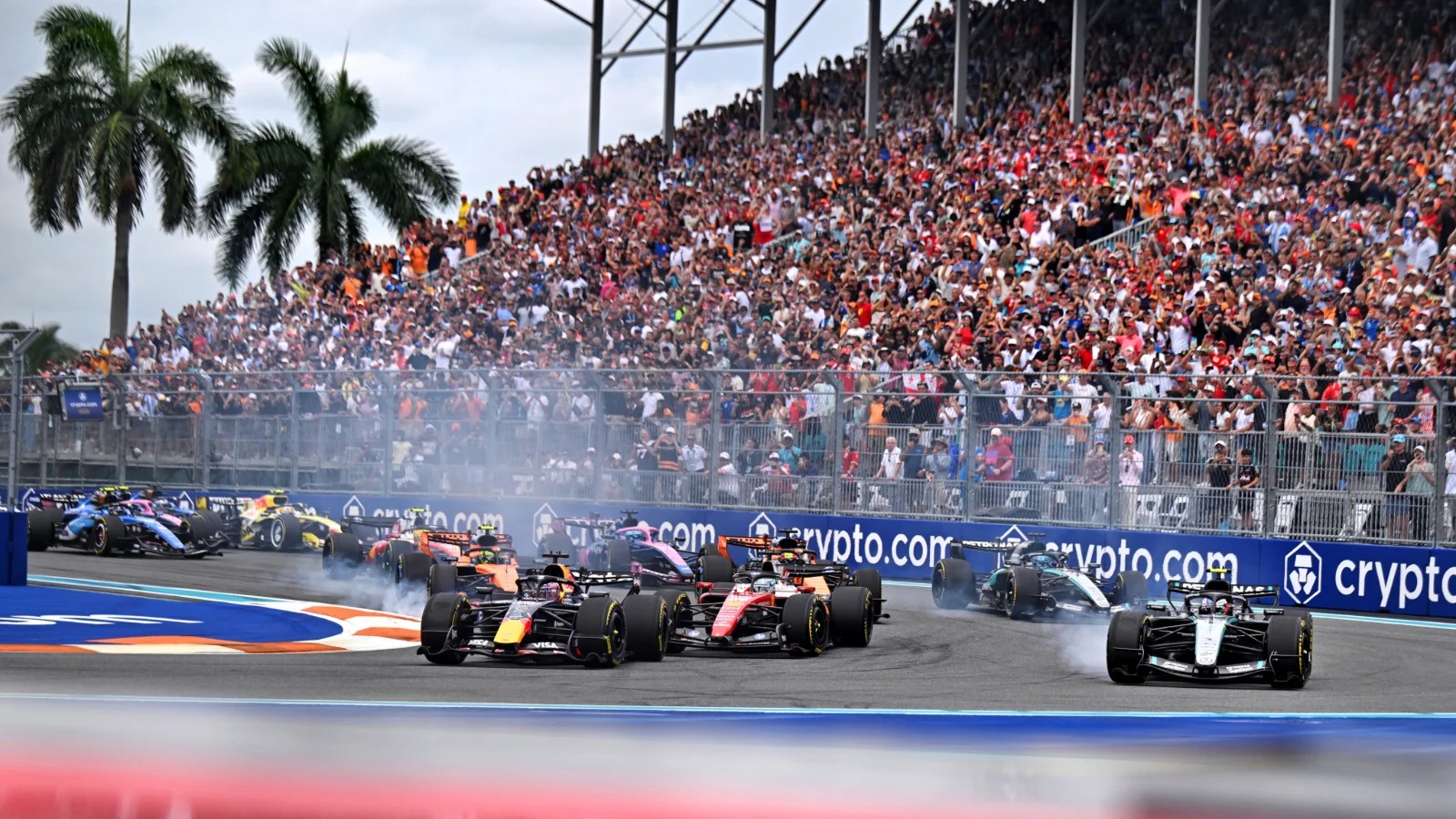
Automotive groups that participate in F1 racing spend millions of dollars and countless hours optimising their technology and refining their processes to ensure the highest possible level of both performance and safety.
Logistics
There is also a major logistical throughline between both sports.
In the world of horse racing, there are dietitians, trainers, transportation teams, veterinarians, jockeys, and specialists, all coordinated by an ownership group. Many people are involved in transporting horses from event to event, monitoring their health, managing any medications that are needed, and generally getting them ready for race day.
The same is true of motorsport, where teams may not be working with live animals, but are transporting highly sensitive vehicles, as well as all of the tools needed to maintain them — in bursts of activity that generally only last about 25 seconds on race day.
That’s not an exaggeration. It takes a Formula 1 pit stop under three seconds to change a tyre. The people behind these rapid repairs have trained and practised extensively, but there’s also a key logistical coordination element that can’t be ignored.
The human element
We’ve touched on this slightly throughout the article. Both sports are characterised by components that are not strictly human-oriented.
As mentioned earlier, F1 is more noted for its drivers than horse racing is for its jockeys, but in both cases a high level of specialised talent is required to do things the right way.
People do typically understand the importance of that talent in the context of Formula 1, even if the car will sometimes steal the show. It’s also at least just as important in horse racing. Jockeys don’t get nearly the credit they deserve.
While it does take excellent horses to win races, jockeys themselves are talented athletes who go through enormous amounts of conditioning to be able to do their jobs. It’s not a coincidence that some have successful careers lasting multiple decades, winning thousands of titles in the process, while others wind up being unable to cut the mustard.
It’s an occupation for which immense amounts of hard work and talent are required. While neither may receive widespread recognition, they remain core elements of the sport just the same.