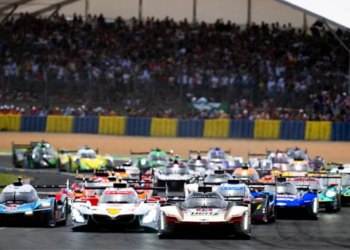
The world’s most advanced racing prototypes are about to face their ultimate test. Endurance racing demands more than just raw speed; it requires meticulous strategy, flawless teamwork, and the ability to manage risk over gruelling distances.
For those seeking that blend of strategy and adrenaline off the track, platforms like Charmius Casino offer a similarly engaging experience. The World Endurance Championship (WEC) grid is now finalising its preparations, pushing human and machine to their absolute limits.
Key facts: Endurance racing by the numbers
Endurance racing is built on staggering statistics that define its challenge. The following figures highlight the scale and intensity of the competition facing teams in the 2026 season and beyond:
- The 24 Hours of Le Mans, the WEC’s crown jewel, saw the winning Hypercar complete 311 laps in 2023, covering over 4,200 kilometres — further than the road distance from London to Tehran.
- A single driver is limited to a maximum of four hours of driving time within any six-hour period during a race, a rule strictly enforced by the FIA to ensure safety.
- During the 2024 season, top-tier Hypercars used over 2,000 litres of fuel per car at Le Mans, requiring complex energy management strategies.
- Teams analyse more than 10 gigabytes of real-time telemetry data during a six-hour race, making split-second decisions on tyre wear and fuel loads.
- The target for the 2026 LMDh and LMH regulations is a lap time reduction of around five to seven seconds at Le Mans, intensifying the development race now.
- A single set of Michelin racing slicks for a Hypercar can cost upwards of €3,000 and may last less than two stints depending on track conditions.
- The driver rotation strategy in a 24-hour race involves over 40 scheduled pit stops for the leading contenders, each a potential moment for victory or disaster.
The strategic gamble of tyre and fuel management
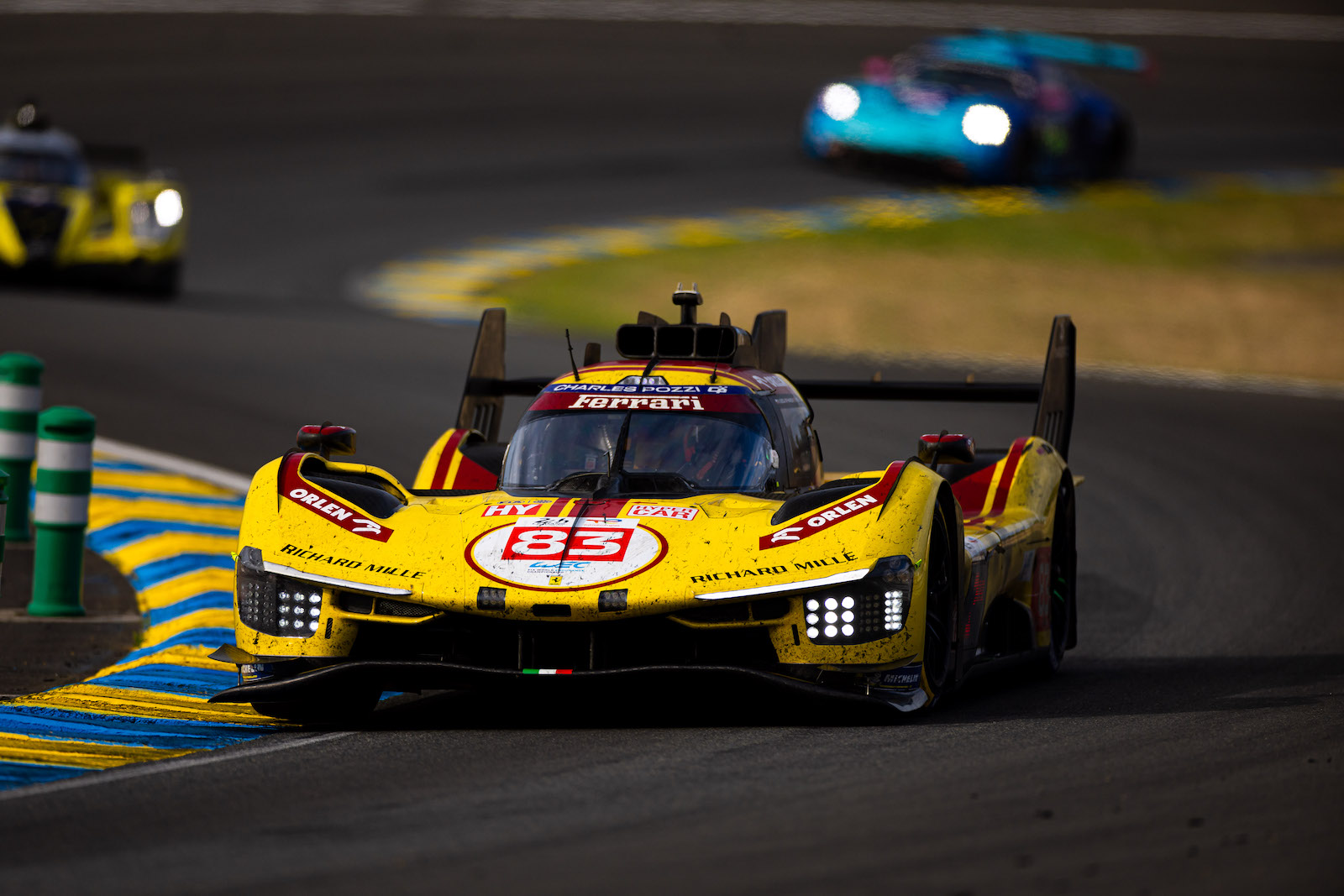
Every WEC race is a high-speed puzzle. Engineers must calculate fuel burn rates to the millilitre and predict tyre degradation across double and triple stints. Pitting one lap too early wastes time. Pitting one lap too late risks a catastrophic drop in performance or a safety car penalty.


This continuous risk assessment is a core skill. Teams constantly weigh the odds, and the wrong call can erase hours of advantage, turning a certain podium into a midfield finish. Success hinges on reading the data, trusting the team, and committing to a plan under immense pressure.
Teamwork: The ultimate co-driver dynamic
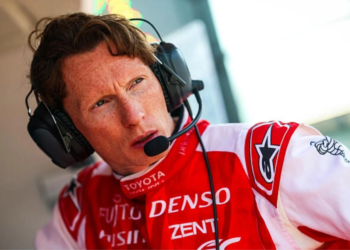
Speed is irrelevant without synchronisation. The driver, engineer, and pit crew must operate as a single entity. Communication is concise, clear, and constant. A slow pit stop or a misheard radio message can cost a championship.
This absolute reliance on perfect teamwork elevates endurance racing above a mere driving contest. It transforms it into a human performance marathon. The BBC’s coverage often highlights these human stories, showing how cohesion behind the wall is as important as speed on the track.
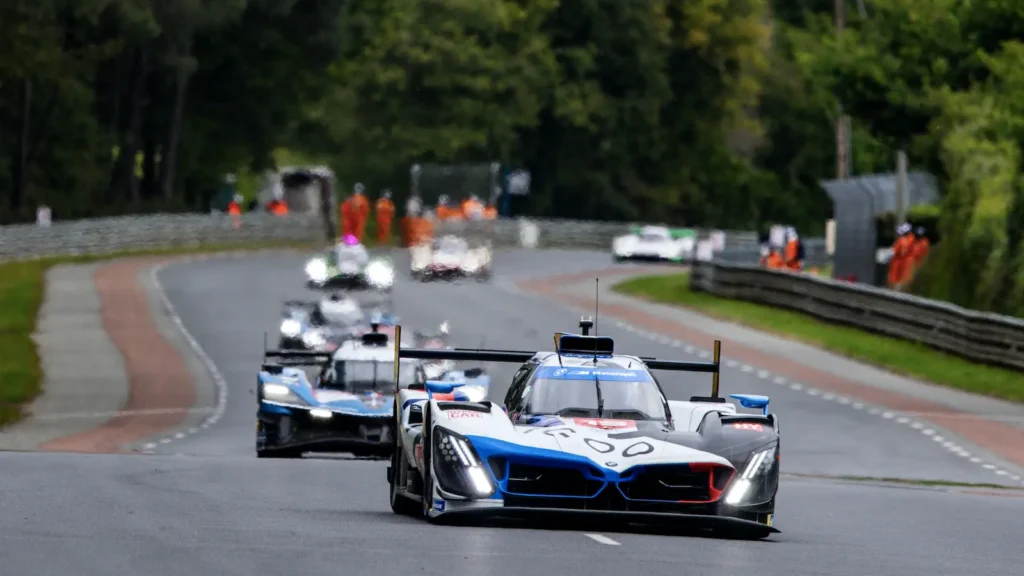
Simulating the unpredictable
Modern WEC teams no longer just test on track. They spend thousands of hours in sophisticated simulators, recreating every bump of Le Mans’ Mulsanne Straight or the humidity of Fuji. They run virtual scenarios for every possible contingency: sudden rain, safety cars, mechanical failures.
This preparation aims to remove the element of surprise. Yet endurance racing always delivers the unexpected. A sudden downpour, a rogue prototype, or a technical glitch can reshuffle the order instantly. Adapting to these changes is the final, un-simulatable test.
Engineering for the long haul
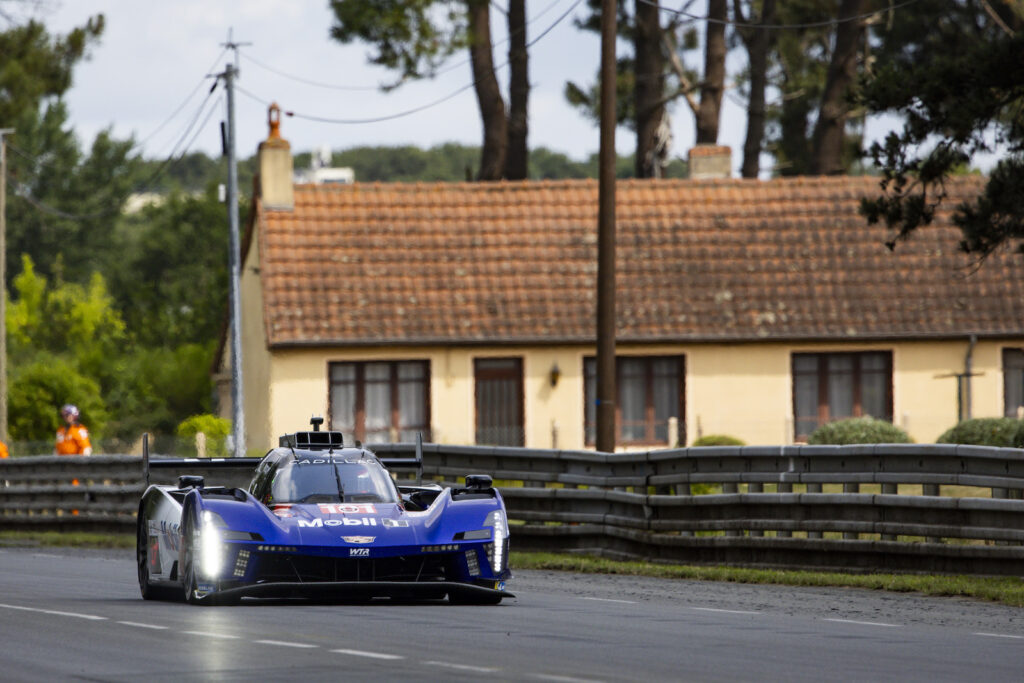
Reliability is the non-negotiable currency of WEC. An engine must deliver peak performance for 24 hours without failure. Every component, from the smallest sensor to the hybrid battery system, is stressed to its limit.
The development focus for the 2026 regulations intensifies this further, with an even greater emphasis on sustainable fuels and hybrid efficiency. Teams chase not just lap time, but the robustness to survive. Building a car that is both the fastest and the most durable is the sport’s central paradox. A single, tiny component failure can end a race, wiping out a massive investment of time and resources in an instant.
The preparation of WEC teams for long-distance racing is a masterclass in managing variables. It combines cutting-edge technology with ancient human virtues: endurance, teamwork, and strategic courage. The race is won long before the green flag flies, in the quiet of the simulator and the precision of the strategy meeting. For the global audience following every update on sites like Motorsport Week, this behind-the-scenes battle is as compelling as the on-track action.