
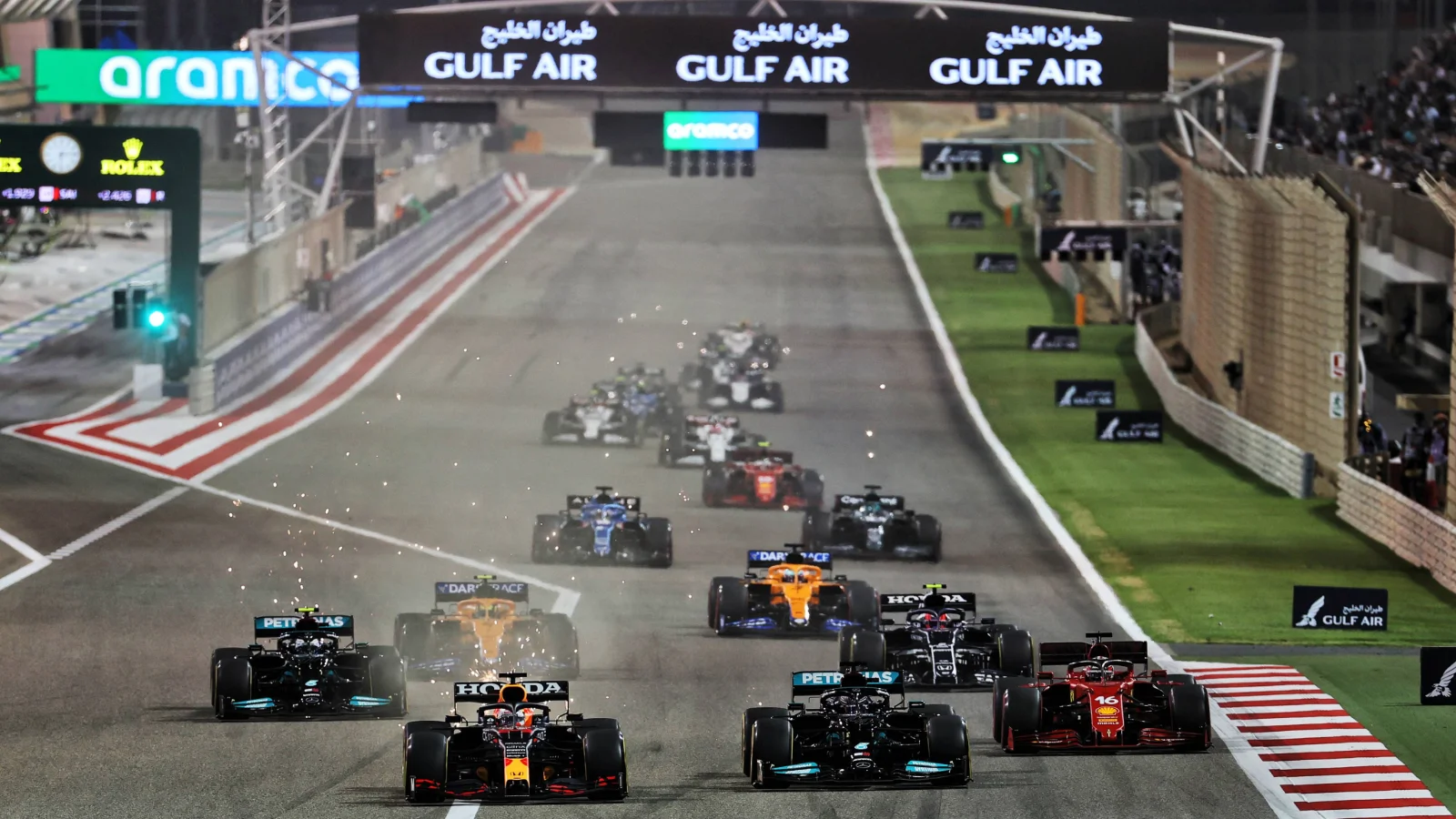
Something rather peculiar happened to me at the gym last week. Ascending the stairs, I was greeted, as normal, by two large televisions at the corners of both my eyes, at the edge of my peripheral vision, amongst the myriads of equipment designed to make my life as miserable as possible for the next hour. Showing on my left is the usual terrible property renovation programme that defines daytime TV in the UK. The one on the right makes me do a double-take – it’s showing a classic F1 race on Sky Sports.
Given my distance from the TV, I cannot pinpoint the year, but it looks to be Bahrain in the modern era of larger cars. Now I need to be clear, in my health club, having sport on in the gym on a weekday [let alone a weekend] is rarer than a chocolate cake that can help you lose weight. So this is a rare and special treat. So, what do I do? I get my phone, head to the treadmill on the other side of the floor and fire up a classic race from the 1990s. Within seconds, my hell workout on the treadmill begins to pass mercifully faster.
This decision is not what modern-day F1 would want me to make from a viewing standpoint. I should go to the big TV and base my workout around watching the modern cars. But being truthful, I want to hark back to the days when I was on the edge of my seat watching F1. The days when overtaking was rare but earned through absolute skill.
Watching an overtake that took cunning, guile and planning is a thrill that is badly missing from today’s edition of F1. The truly great drivers of today, like Max Verstappen and Lewis Hamilton, cannot showcase their unique abilities in the 2026 battery-heavy cars and engines that please engineers and PR managers at engine companies, but no one else.

A deafening cry for change
The current offering of watching cars from the near past overtake using DRS, or those caused by battery deployment differences, is not in the same league as the above. This view is becoming shared not just by journalists, but by the wider F1 fanbase. The cries are now deafening, and it appears that stances from the powers that be are beginning to soften for a return to V10 or V8 power. But more than that, a return to simpler cars is being demanded.
Social media is not always a pleasant place, but it can offer a wide, often decisive view of public opinion. Calls for a return to simpler cars have been growing over the last several years, but we have now reached the point where ignoring these calls poses a real risk to the sport.
Take last weekend’s Monaco Historique as a case in point. One of my Gen Z colleagues attended and, for the first time, saw and heard V8 and V10 Ferrari cars from 15 plus years ago. She was immediately hooked and wanted to see [and hear] more of them. A quick gander on social media shows this is not an isolated sentiment. Fans, both young and old, cannot fathom why we are racing battery-heavy cars that are compromising racing when these wonderful, characterful and evocative cars are part of our sport’s illustrious history. The comment sections of these videos are littered with “bring back V10” comments. But the really interesting ones are the essays from viewers, outlining their displeasure and making their own cases for change, often citing the “less is more” philosophy.
It’s not just the Monaco Historique videos; the Goodwood Members Meeting videos have similar comments. Videos from accounts pushing classic F1 content are increasingly appearing in more people’s feeds, which in turn drives more demand for these cars to return. I spoke a few weeks ago of the Safety Car restart of the 2004 Indianapolis Grand Prix appearing in feeds. Depending on the platform, “pure sound” videos are now beginning to crop up. Lighter cars and louder, evocative engines are now what people want.
Quality over quantity now favoured?
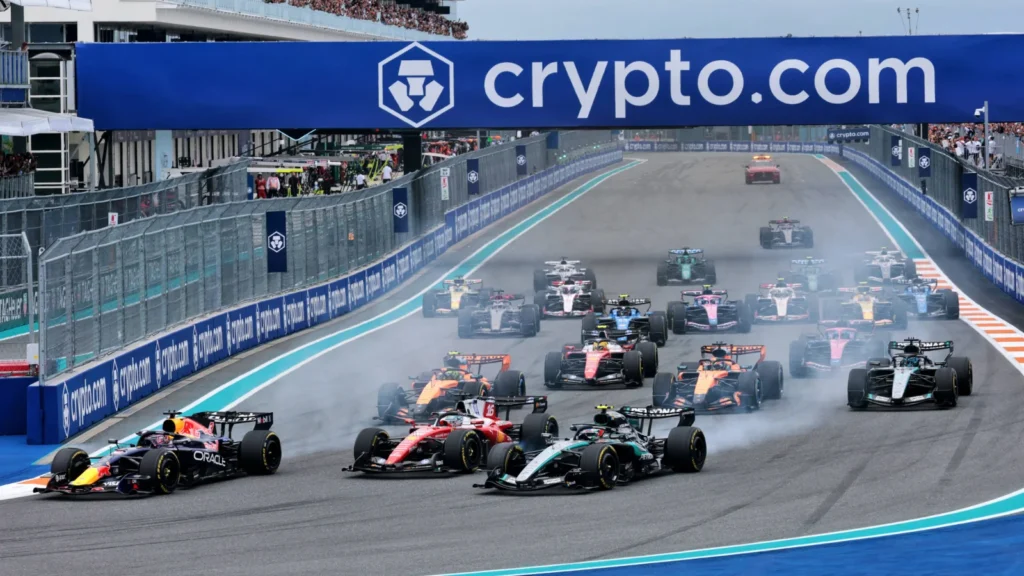
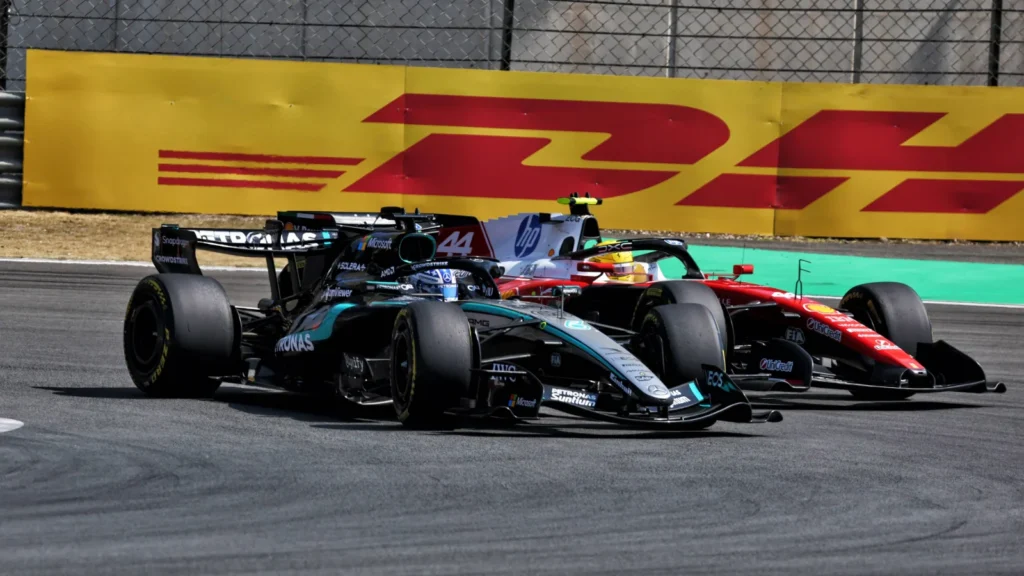
Overtaking has been cited as a reason to keep these rules, but again, it has come under scrutiny. Overtaking in the first three rounds has been nicknamed the “yo-yo effect”, and for good reason. Cars are passing and re-passing within a matter of yards after a move is executed. F1 CEO Stefano Domenicali said “an overtake is an overtake”, words which have, to a certain extent, been ridiculed.
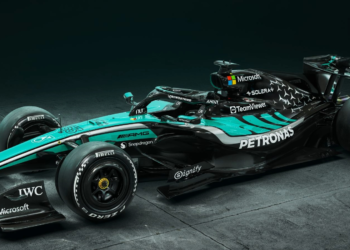
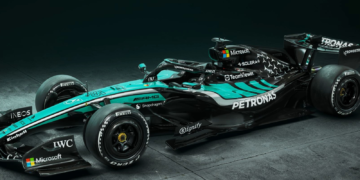
It appears now that fan appetite has shifted. Fans no longer want to see overtakes happening for the sake of it. Everyone wants action-packed races, but not at the expense of witnessing drivers operating ridiculously far inside their limits. Fernando Alonso told me I could drive the AMR26 around Turn 12 at Bahrain during pre-season testing, given the loss of skill required. This has translated into the on-screen viewing, and it’s dramatically diluted the spectacle.
As I sweated away on the treadmill, the 1997 Hungarian GP was on my phone. This race showcases everything great about our beloved sport. Tactical duels on a track not known for overtaking and drivers forced to think on their toes, while wrestling cars at the absolute limit of what their great machines will allow them to do.
Watching Damon Hill eye up Michael Schumacher for ten laps and pass with precision is still utterly brilliant to watch, almost 30 years on. This one battle back in 1997 is better viewing than the opening three races of the season. Why? The quality of the overtakes. Hill was forced to bide his time and test Schumacher across multiple laps before making his move. In 2026, this does not happen. Overtakes are caused by differences in power deployment or by activating Boost Mode. The Mario Kart references are still sadly very relatable.
A quick gander to my right during a much-needed 30-second cooldown period from my workout, and I can see a DRS overtake on the TV. Then, with a sense of dread, I upped the speed back on the treadmill once again. At that point, it hit me, I’d far rather watch a rewatch of a race with limited overtakes than one from the modern era filled with them. It was a startling revelation, and one that encapsulates much of the division over F1’s direction at present.
Heavyweights smash the glass of restraint
We have now moved away from the period where the viewing public is being told to give the new rules a chance. Very, very far away from it. Instead, fan and driver calls for the sport to hark back to days of lighter cars fighting with far simpler internal systems are now dominating the news space, going beyond the basic calls of the traditionalists.
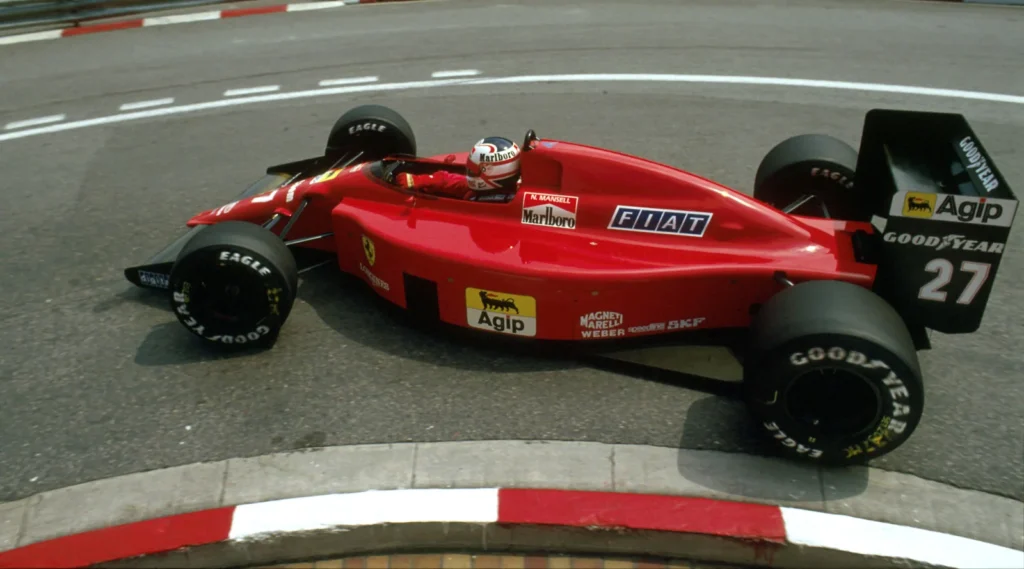
I am somewhat of a F1 traditionalist, and unashamedly so. A couple of years ago, I was lucky enough to be granted access to have an in-depth tour of the McLaren Peugeot MP4/9, which was showcased at Beaulieu, a car that is now 32 years old. One thing I absolutely marvelled over was the simplistic steering wheel and the no-frills V10 engine under the engine cover. Lifting and coasting had yet to become a term, despite recent attempts to the contrary.
1992 world champion Nigel Mansell addressed the media to emphatically deny claims by Domenicali that drivers in the 1980s lifted and coasted: “No, we didn’t [lift and coast],” he said to Autosport. “If you lifted than coasted it was like feathering, feathering a throttle when you’re slipstreaming somebody and deciding not to overtake them, that’s saving fuel and feathering, that’s smart.”
Addressing fan anger at the current rules, Mansell confirmed he shared their sentiment. “So I think you’ve got to be very careful because, forget me, it doesn’t matter about me, but the fans around the world, I know an awful lot of them are very grumpy,” he said. “And to be fair to the fans, I agree with them.”
This criticism, while not new, seems to have smashed the glass ceiling protecting the sport from en masse all-out war against the regulations. Where previously caution was exercised, drivers, past and present, are calling for radical change. The difference between fan anger then and now is that the momentum is fast becoming an unstoppable force that is now forcing change.
Even the FIA has jumped on board the bandwagon, with Single Seater Director Nikolaz Tombazis proclaiming the sport “cannot be hostage” to the engine manufacturers, opening the door to a potential rethink by the governing body over the future direction of the sport. While not an admittance, the sport has made a terrible mistake with these regulations; it is not far off one. That President Mohammed Ben Sulayem has outlined a return to V8 power is also highly telling.
F1 engine manufacturers share the blame
The question that is last being raised by multiple different political elements is: who are these new rules for? It is now becoming very simple with each passing day: they are for the engine manufacturers. Audi was attracted to the sport when the rules were first announced, and electrification seemed the future. Honda also formally rejoined. That future, of course, evaporated, but the regulations remained.
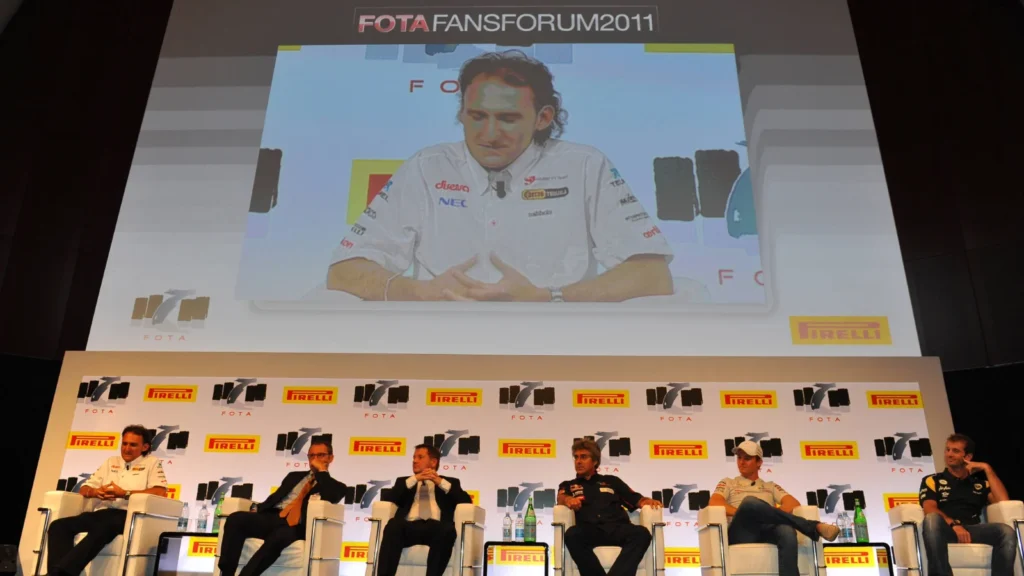
Political capital is just as powerful as competitive performance in F1, and these rules represented handing over political supremacy on a plate. Not since the days of FOTA in the late 2000s have manufacturers controlled the future of the sport so much.
By making regulations designed to please the manufacturers, the sport effectively became hostage to them. So while on paper we have Mercedes, Ferrari, Audi, Honda and Ford in the sport, they are now racing a product that practically no one wants.
The well-established apathy toward the regulations will begin to hit the manufacturers hard soon, so in reality, this has become a spectacular own goal. Dominating a sport where you are reviled for keeping a disastrous status quo does not exactly translate into good business.
The “enhancements” for Miami were designed in conjunction with the drivers, who are calling for more of a say in the regulations. This makes absolute and total sense. Engineers do not drive the cars, nor do engine manufacturers. Yet, since the 2010s, more and more regulations have been designed by them, a complete contradiction in terms.
It will come as no surprise that as I left the gym floor with no feeling in my legs and descended the stairs, I did not even look up at the Bahrain race showing. I’ve just watched a thrilling, intense, and heartbreaking race from 1997. Modern-day F1 has a long way to go to recapture the magic of that golden era of racing.




Discussion about this post