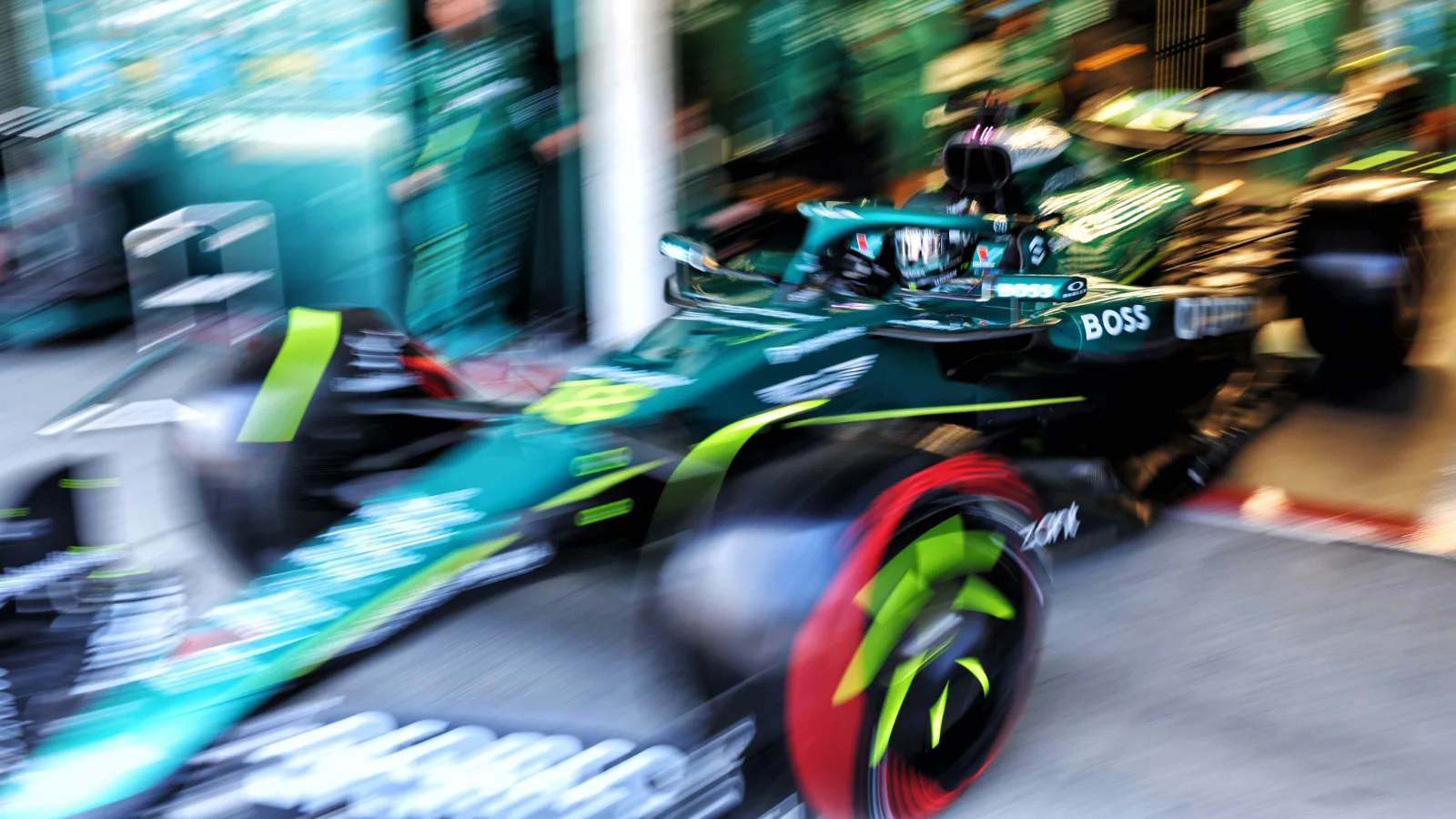
When we think about what makes a racing car fast, the mind tends to leap straight to the headline numbers: engine horsepower, aerodynamic downforce, tyre compounds.
These are the talking points that dominate the paddock and fill the pages of technical reviews. Yet some of the most meaningful gains in vehicle performance come not from the big-ticket components, but from the small mechanical systems working quietly in the background.
From suspension geometry adjustments measured in fractions of a millimetre to the precise calibration of pressure-based components, it is often the details that separate a well-sorted car from a truly exceptional one.
Understanding how these systems interconnect helps explain why engineers spend countless hours refining parts that spectators rarely see and commentators almost never mention.


The cumulative effect of small gains
Motorsport has long embraced the philosophy of marginal gains. No single adjustment transforms a vehicle, but dozens of small improvements compounding together can produce a significant leap in lap time, reliability, or drivability. Engineers on both sides of the industry understand that a car is not simply the sum of its largest components.
When one small system falls out of specification, the effects ripple outward. A worn bushing changes suspension compliance. An inconsistent damper valve alters body movement. A poorly adjusted gas strut on a bonnet affects perceived quality across the whole car.
Gas struts: A masterclass in understated engineering
Few components illustrate the importance of small mechanical systems quite as neatly as the gas strut. On the surface, a strut that holds a bonnet open or supports a tailgate seems trivial compared to the engineering drama happening beneath it. In practice, these components represent a carefully calibrated balance of force, travel, and durability.
A gas strut works by storing energy in compressed nitrogen gas, which pushes against a piston to provide a smooth, controlled extension force. The beauty of the design lies in its simplicity: no external power source, no maintenance schedule to follow, no complex electronics. The physics do the work.
In automotive applications, car gas struts must be matched precisely to the weight and geometry of the panel they support. Too little force and the panel will not stay open safely. Too much force and the mechanism feels aggressive or puts undue stress on hinges and bodywork. Getting this balance right is a genuine engineering exercise, not an afterthought.

Suspension: Where small adjustments have big consequences
If gas struts show how a simple mechanism can be engineering-intensive, the suspension system shows how small adjustments can transform the behaviour of an entire vehicle.
Ride height changes of just a few millimetres alter aerodynamic balance on a circuit car. Toe angle adjustments of fractions of a degree influence tyre wear patterns over a race distance. Spring rate changes that feel imperceptible at walking pace become hugely significant at speed through a fast corner.
Modern motorsport has access to extraordinary data acquisition tools that help engineers understand exactly how each adjustment feeds through to lap time.
Yet even with all that technology, experienced engineers will often rely on a driver’s qualitative feedback to identify a problem that the data has not yet isolated. The two work together: the science of measurement and the art of interpretation.
Braking systems and the precision of feel
The braking system is another area where small mechanical choices carry enormous weight. Brake bias, pedal feel, and force progression all depend on components that are individually unremarkable but collectively critical.
Master cylinder sizing, calliper piston behaviour, and pad compound selection must all work in harmony across a wide temperature range.
Each decision is made at the component level, yet together they determine whether a driver has the confidence to brake as late as possible. In close competition, that confidence is often the difference between winning and finishing second.
Cooling and fluid systems
Heat management is another domain where small mechanical systems play an outsized role. An engine running too hot risks catastrophic failure; one running too cool operates with increased friction and reduced efficiency.
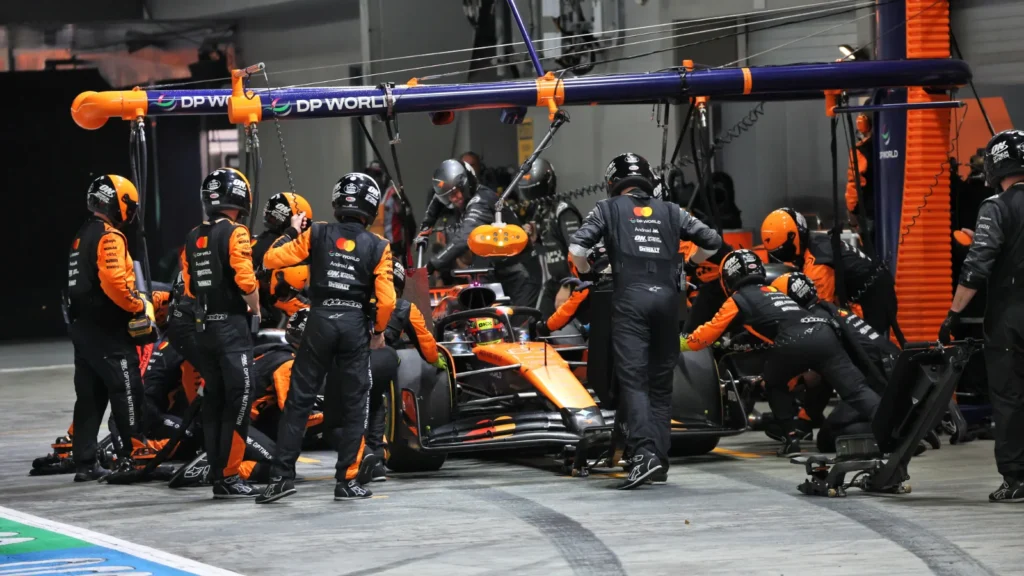
Thermostats, coolant hoses, and radiator caps are not glamorous components, but a single failure among them can end a race that an entire team has spent months preparing for.
This is why professional teams invest heavily in inspection and replacement schedules. With enough small parts working together, the cumulative probability of failure rises unless each one is managed carefully.
Electrical and sensor systems
Modern vehicles rely on a dense network of sensors and actuators that are individually tiny but collectively indispensable. Throttle position, wheel speed, gear position, and oil pressure data all feed control units managing everything from engine mapping to stability systems.
A sensor that drifts out of calibration may not cause an obvious failure, but it introduces subtle inaccuracies that degrade performance and increase wear over time. Understanding this helps explain why engineering reliability in motorsport has become just as important a discipline as outright performance development.
From the circuit to the road
Everything discussed above has a direct parallel in everyday road cars. Engineers working on production vehicles face many of the same challenges as their motorsport counterparts, simply optimising for different priorities: longevity, refinement, and cost rather than outright pace.
The small mechanical systems in a family hatchback are no less carefully considered than those in a race car. When engineers get these details right, the result is a vehicle that feels cohesive and confidence inspiring.
The headline components get the attention, but it is the small systems working in concert that determine whether the whole machine truly performs. Small parts, thoughtfully designed and carefully maintained, are what make great cars great.