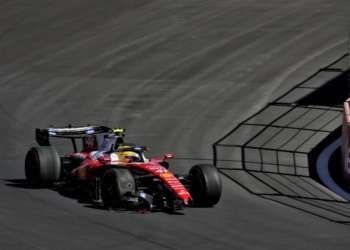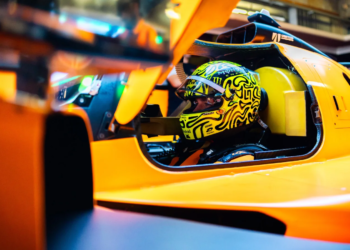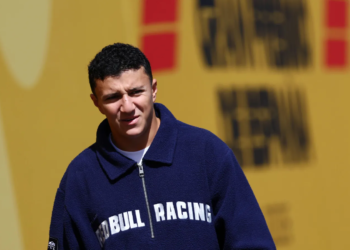
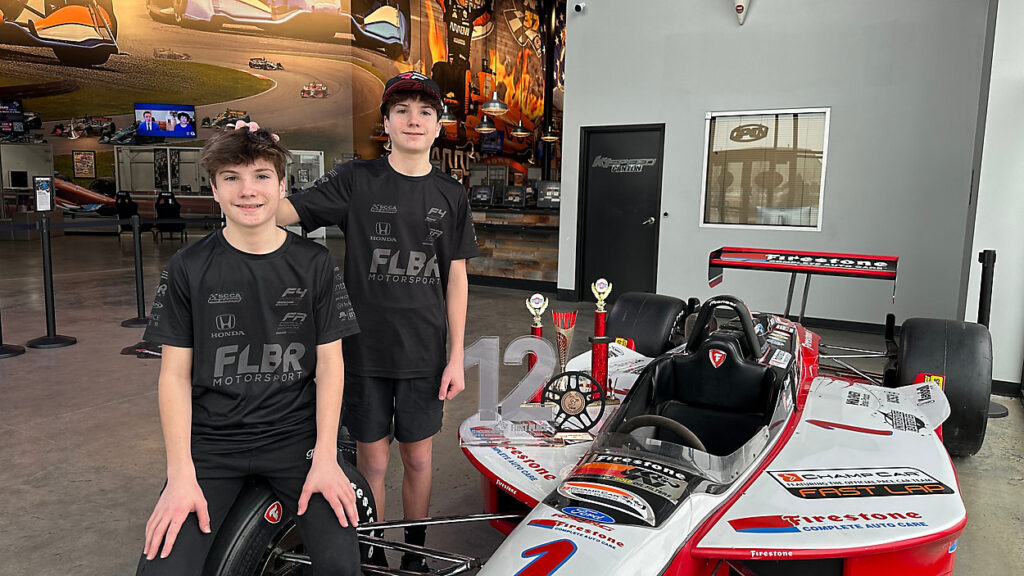
At first, nothing about it stands out in an obvious way. Two young drivers are moving through the ranks, gaining experience and improving results over time.
It follows a path that feels familiar if you have spent any time around motorsport. The kind of progression that looks clean on paper and easy to explain in hindsight. But that surface view does not really tell you much.
What actually shapes a driver is rarely visible on race day. It builds in the background, inside routines that repeat so often they stop looking like anything special. The real difference is not in a single session or a breakthrough moment, but in how everything connects over time.
Felber Twins’ F1 Training Secrets in Open Wheel Racing are less about secrets and more about how that connection is built day after day, without relying on standout moments to carry the result.

That is where it starts to make sense.
Not because it introduces something radically new, but because it removes randomness from the process. The routine is built in a way that makes progress less dependent on good days and less vulnerable to bad ones.
It does not start with speed
Most drivers go after speed first because it feels like the most direct path forward. You push harder, you get a better lap time, and it looks like progress. That kind of feedback is immediate and easy to understand. It is also unstable.
One strong lap does not guarantee the next one. Without a foundation, speed tends to appear in flashes and disappear just as quickly. Here, the starting point feels almost counterintuitive.
Instead of chasing pace, the focus stays on control. The same braking point, the same line, the same throttle application, repeated until it becomes predictable. Not perfect, just consistent enough to hold.
That changes how progress builds. It shows up less in peak performance and more in how often a driver can repeat the same result. Over time, that repeatability starts to matter more than a single fast lap.
You begin to see patterns like:
- Lap times staying within a tighter range across sessions
- Fewer corrections mid-corner
- Smoother transitions between braking and acceleration
- Less variation between early and late laps in a run
None of this looks dramatic, but it creates a base that is difficult to lose.
The routine looks simple until you stay inside it
From a distance, the routine does not look complicated. Driving sessions, physical work, data review, then back to driving again. It is easy to reduce it to volume, as if improvement comes from doing more of the same thing.
That is not really what is happening. Once you stay inside that structure for a while, the differences become more noticeable. The sessions may look similar, but the focus shifts constantly.
One day is built around breaking consistency. Another is centred on how the car behaves mid-corner. Sometimes the goal is not improvement at all but holding the same level for an extended run. This is where repetition starts to work differently.
It is no longer about accumulating laps. It becomes about refining awareness. Small details begin to stand out, not because the environment changed, but because the driver starts noticing more.
That includes things like how:
- A slight change in entry speed affects exit stability
- Tyre behaviour shifts across a longer run
- Minor steering inputs influence balance more than expected
These details do not appear all at once. They build gradually, through sessions that look similar but are never identical.
Physical training only matters if it transfers
There is a point where general fitness stops being enough. A driver can be strong, have good endurance, and still struggle to stay precise in the car after a longer session. That disconnect is more common than people expect.
Here, physical work is tied closely to what actually happens behind the wheel. It is not about building strength in isolation. It is about maintaining control when fatigue starts to interfere with precision. That distinction changes how training is structured.
Instead of treating fitness as a separate block, it is aligned with specific demands:
- Neck strength for sustained lateral load
- Core stability for maintaining position over time
- Endurance that reflects race conditions, not generic benchmarks
- Coordination under fatigue, not just in fresh conditions
The effect is subtle at first. It does not necessarily make a driver faster at the beginning of a session. It shows up later, when others start to lose consistency and control begins to fade.
That is where the connection becomes visible.
Mistakes are not chased
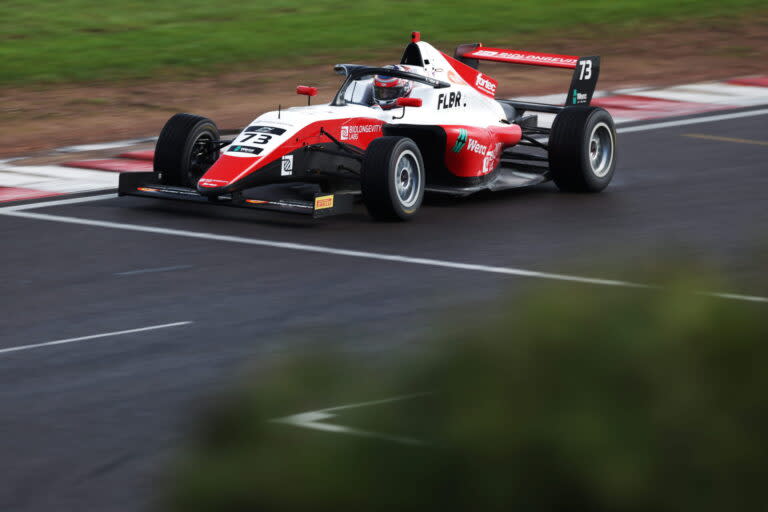
One of the more noticeable differences is how mistakes are handled. The instinct for most drivers is to correct immediately. If something goes wrong, the next lap becomes an attempt to fix it. That often leads to overcorrection.
Here, the reaction is more restrained. A mistake is noted, but not always acted on right away. It is placed in context first. Was it caused by a small variation in entry speed, a change in grip, or something else entirely?
This approach slows things down slightly, but it prevents unnecessary adjustments. It also changes how errors are perceived. They are not interruptions. They are part of the process.
Over time, this reduces patterns like:
- Reacting too quickly to a single bad lap
- Introducing changes that conflict with existing habits
- Losing consistency while trying to fix one issue
The result is a more stable way of improving, where corrections are made with intent rather than urgency.
Feedback is used, but not followed blindly
Modern racing environments generate a constant flow of data. Telemetry, video, and coaching input. Every session produces more information than a driver can realistically process in real time. The challenge is not access to feedback, but how to filter it.
Instead of reacting to everything, the focus stays narrow. One adjustment at a time. One variable per session when possible. That keeps the process controlled. It also builds a stronger connection between what the driver feels and what the data shows. Without that connection, feedback becomes external. With it, feedback becomes something the driver can anticipate.
This usually leads to a few noticeable shifts:
- Fewer large swings in performance between sessions
- Clearer understanding of cause and effect
- Less dependence on constant external input
- More confidence in making adjustments during a run
The data is still there, but it supports the process instead of directing it completely.
Adapting without losing what already works
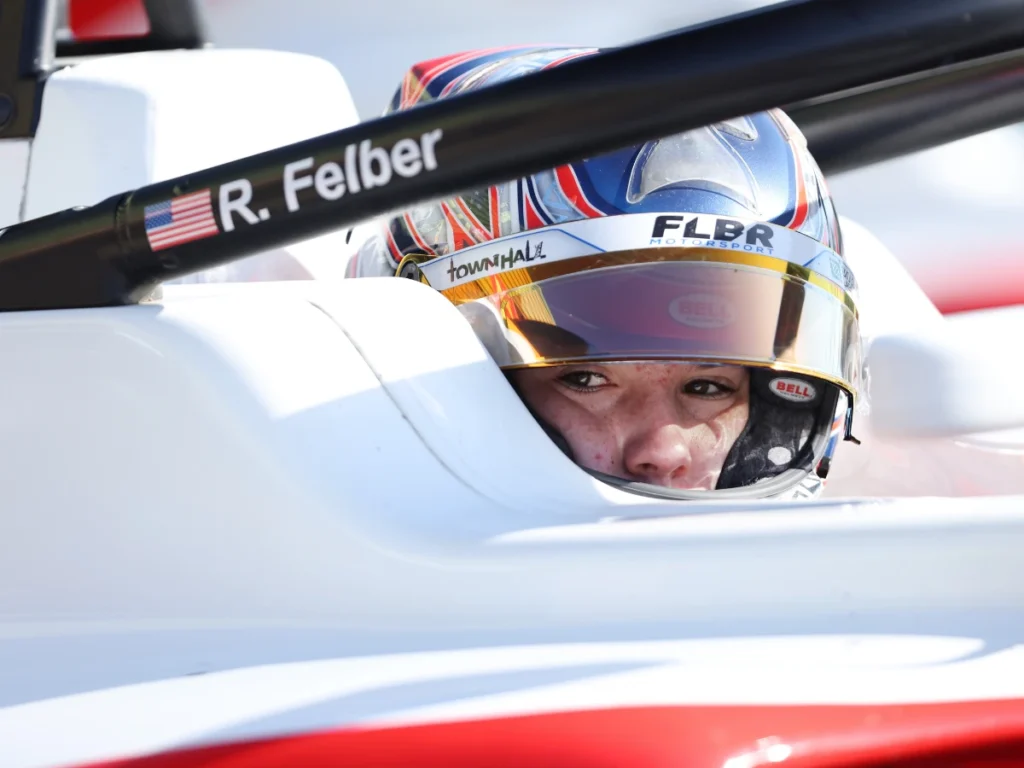
With every step up, things start to feel a little different. The car responds in its own way, the balance shifts, grip builds or disappears depending on conditions. Even a track that feels familiar can behave differently from one session to the next, which makes it tempting to rethink everything at once.
That is usually where things get messy. Instead of rebuilding from scratch, the focus stays on what already feels reliable. Some elements carry over, even if others need adjusting, and that makes the transition feel less abrupt. It is a slower way to adapt, but it holds together better.
Changes come in layers. One adjustment at a time, enough to understand what it actually does before moving further. There is no rush to fix everything at once, because that usually leads to losing more than you gain.
Without that restraint, it is easy to slip into patterns that feel productive but do not really help:
- Focusing on setup changes before understanding the driving input
- Pushing for speed and losing consistency along the way
- Reacting too quickly to conditions that just need time to read properly
Keeping a stable base underneath, all of this makes a difference. It gives each change something to build on, instead of turning every new step into a reset.
The balance between control and flexibility
Structure gives the process its shape, but if everything stays too fixed, it starts to lose sensitivity to what is actually happening in the moment. The driver follows the plan, but the connection to the car becomes less direct. Inputs stay consistent, yet they are no longer fully aligned with the conditions.
Moving too far in the other direction creates a different issue. When there is too much freedom, each decision begins to depend on what just happened rather than on anything stable. The session starts to drift, even if the pace feels good at times.
Because of that, the balance is not built on strict rules. The framework stays present, but it is held more as a reference than something that has to be followed exactly. Each session still has a direction, but that direction leaves space for adjustment. Not everything is decided in advance, and not everything needs to be corrected immediately.
When something shifts — grip, balance, or simply the way the car feels — the response happens inside the same structure, not outside of it. The plan does not reset, it just adapts slightly to stay relevant.
Over time, this creates a more stable way of working. The driver does not depend on ideal conditions to stay consistent, and small changes do not force a complete rethink. The process remains recognizable from one session to the next, even when the details change.
That is what allows both control and flexibility to exist at the same time. One gives the process continuity, the other allows it to keep working when conditions no longer match the original plan.
The part that’s hard to see
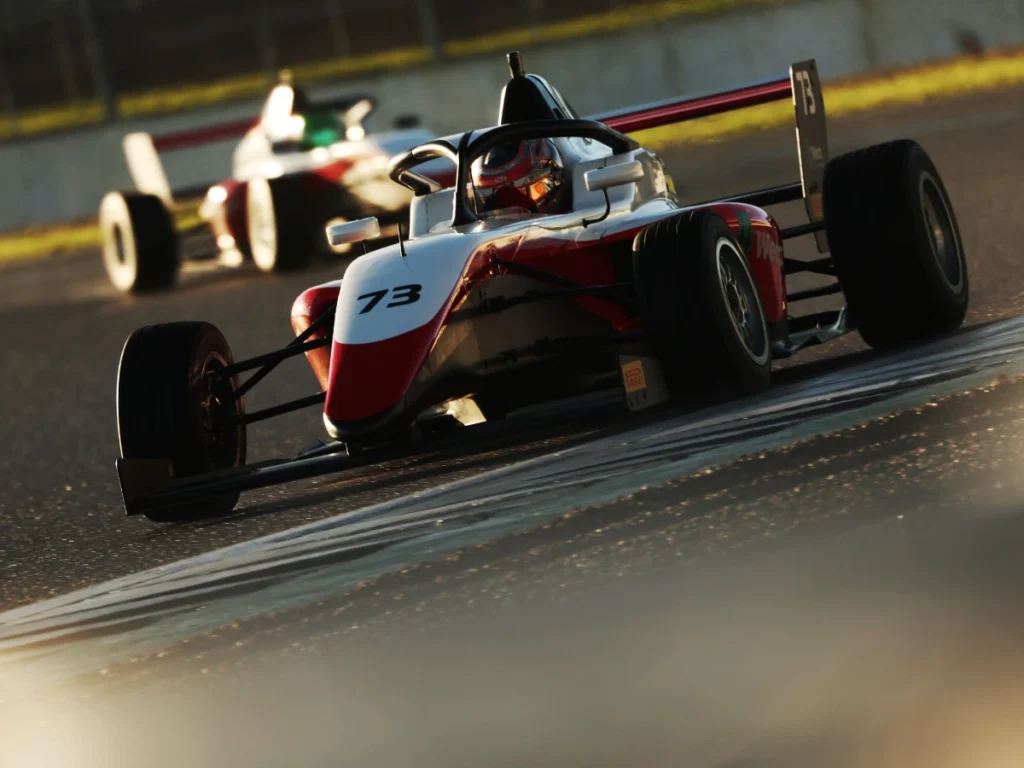
Most of this does not show up in obvious ways. You do not see how many times something is repeated before it becomes natural. You do not see the sessions where nothing seems to improve, but the routine continues anyway. Those parts are easy to overlook.
They are also where most of the work happens. Because progress is not always visible while it is happening. It builds quietly, through consistency rather than sudden change. That is also why it is difficult to replicate from the outside.
It is not a fixed program that can be copied step by step. It is a way of working that depends on how everything fits together over time.
Why it holds when things get difficult
There is a point where conditions stop being ideal. Grip drops, fatigue increases, pressure builds. That is where many routines begin to break down. If the process depends too much on ideal conditions, it becomes unreliable.
Here, the structure is built to withstand variation. Because the focus is on repeatability rather than peak performance, the system does not rely on everything being perfect. It can absorb changes without losing direction.
This becomes noticeable in situations where:
- Conditions shift during a session
- Performance dips temporarily
- External pressure increases
Instead of forcing results, the routine stays in place. That stability allows performance to recover without introducing new problems.
Building trust in the car before extracting performance
Before performance becomes something stable, there is usually a period where the car simply needs to make sense. Without that, even small inputs carry a bit of uncertainty. It does not look dramatic, but it is there. The driver leaves a small margin without fully realizing it. Not because of a conscious decision, but because the response of the car is not fully internalized yet.
That is why the process does not begin with pushing. The priority is to reach a point where the same inputs lead to the same outcome. Once that starts to hold, the driver no longer needs to second-guess what will happen next. The car stops feeling variable and starts feeling readable.
From there, pace builds in a more controlled way. Not through isolated attempts, but through extending something that already works. The limit becomes clearer because the approach toward it stays consistent.
Limiting variables to see what actually changes
It becomes difficult to understand progress when several things are changed at the same time. Even when a lap improves, the reason behind it can remain unclear. That makes it harder to repeat and even harder to develop further. To avoid that, changes are kept as isolated as possible.
When something is adjusted, it is given enough time to be understood on its own. The driver can feel the difference without other factors interfering. That clarity makes it easier to connect what happens in the car with the decision that led to it.
This approach does not produce instant results, but it keeps the process understandable. Over time, that makes each improvement more reliable, because it is no longer tied to a combination of changes that cannot be separated.
Managing pace over a full run, not a single lap
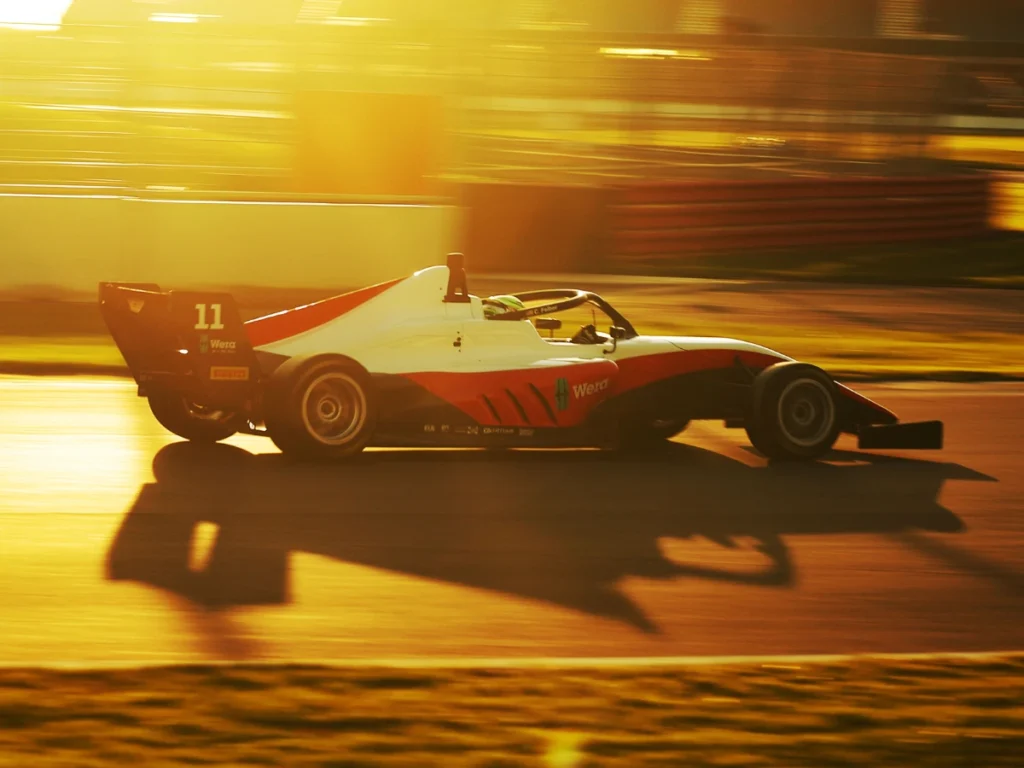
A single lap does not say much about how performance holds. What matters more is how the pace behaves over time. The way the run begins, how it settles, and whether the level can be maintained without unnecessary variation.
When the focus stays on individual laps, it is easy to overlook how quickly performance drops off. The initial pace may look strong, but it does not always translate into something that lasts. Here, attention shifts toward keeping the run controlled from start to finish.
The opening laps are not used to extract everything immediately. Instead, the driver allows the pace to stabilize and builds from there. That usually leads to a more even profile, where performance stays closer to the same level throughout the run.
Knowing when not to change anything
There are moments where making another adjustment does not add anything. Once a stable baseline is in place, additional changes can start to interfere with it. Even small ones can shift the balance enough to lose something that was already working.
This is where the process becomes more restrained. Instead of looking for improvement in every session, the focus sometimes stays on holding the current level. Repeating it under slightly different conditions, without introducing anything new.
That makes it easier to see whether the performance is actually stable or just dependent on a specific moment. If it holds without changes, it becomes something the driver can rely on. From there, any future adjustment has a clearer reference, instead of replacing something that was not fully established.

What it adds up to over time
There is no single turning point, no clear moment where everything suddenly falls into place. The shift happens gradually, almost without drawing attention to itself, as one session starts to feel more controlled than the last.
Lap times begin to settle into a tighter range. Corrections become smaller, less noticeable, and decisions start to feel more natural instead of reactive. From the outside, it can look like steady progress, but from the inside, it comes from a system that keeps refining itself while staying consistent at its core.
That is what sits behind Felber Twins’ F1 Training Secrets in Open Wheel Racing. Not a shortcut or a breakthrough, but a routine that keeps moving forward quietly, even when nothing dramatic seems to be changing.