Motor racing and gaming aren’t often associated with one another. On the surface, the former is about engines, racing tracks, tyre choices and race weekends.
The latter is about screens, games, social media and apps, with streaming and online communities forming a big part of it. However, if you delve into the world of motor racing, you will soon see that the connection between the two is starting to emerge, and no longer a marginal one at that. It is slowly but surely becoming more mainstream.
Because fans are no longer just spectators. They are multi-faceted participants through numerous different media. While they watch the action on the track, they can be following lap times on second screens, listening to radio messages and arguing about team tactics on social media or even competing in their own PC-based “sim racing” versions of the event long after the real thing has ended. “Racing has turned into a fan-participation sport,” says Motorsport Week.
That’s a good point for a few of the reasons we’ve already covered. Gaming companies are looking to engage with competitive, data driven, fast paced and digitally savvy people, and motorsport generally fits a large number of those criteria.

A shared mindset
Racing fans and gaming audiences have a lot in common. Both groups are used to thinking in terms of performance, precision, and incremental advantage. In racing, that might mean tyre degradation, undercut timing, or sector pace. In gaming, it could be reaction speed, hand reading, pattern recognition, or strategic discipline.
The appeal is similar too. It is not just about who wins. It is about how they win. People are drawn to systems, decision-making, and pressure.
That is one reason gaming and racing now feel more connected than they did a decade ago. The audience is already primed for crossover. Someone who spends a Sunday morning watching qualifying and then checking live data is not far removed from someone who enjoys skill-based digital competition later that evening.
Motorsport is already halfway into gaming culture
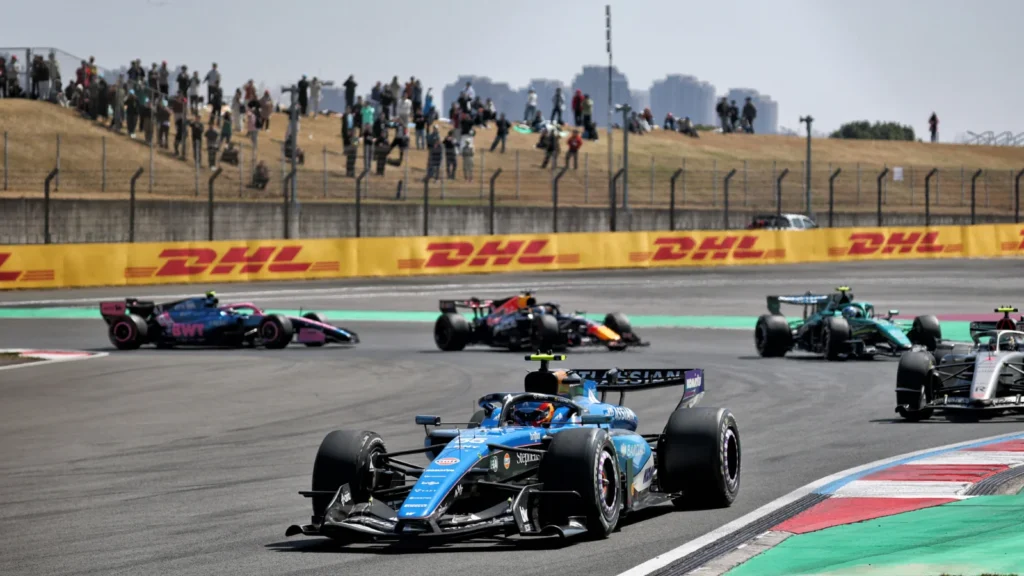
The bridge has also been built from the motorsport side. Sim racing, esports championships, virtual race series, and streaming-first content have all made racing feel more interactive and digital. In 2024 esports in motorsport was creating new ways for fans to engage with teams, drivers, and events, especially through livestreams, fan tournaments, and real-time interaction.
That matters because once a sport becomes digitally native in how fans experience it, the wider gaming ecosystem no longer feels like an outsider. It feels adjacent. Familiar. Even inevitable.
And unlike some more traditional sports spaces, motorsport still carries a strong “tech-forward” identity. It has always sold itself partly through innovation. So, when gaming-related brands move into that environment, the fit often feels less forced than it might elsewhere.
Why some brands are looking beyond football
There is also a broader business reason why this overlap keeps growing. Football has historically been one of the biggest spaces for gaming-related and betting-related visibility, but the rules around that space have been tightening. Premier League clubs agreed in 2023 to withdraw gambling sponsorship from the front of matchday shirts from the start of the 2026–27 season.
That does not mean those brands disappear from sport entirely. It means some will naturally look harder at environments where the audience fit is still strong and the cultural overlap makes sense.
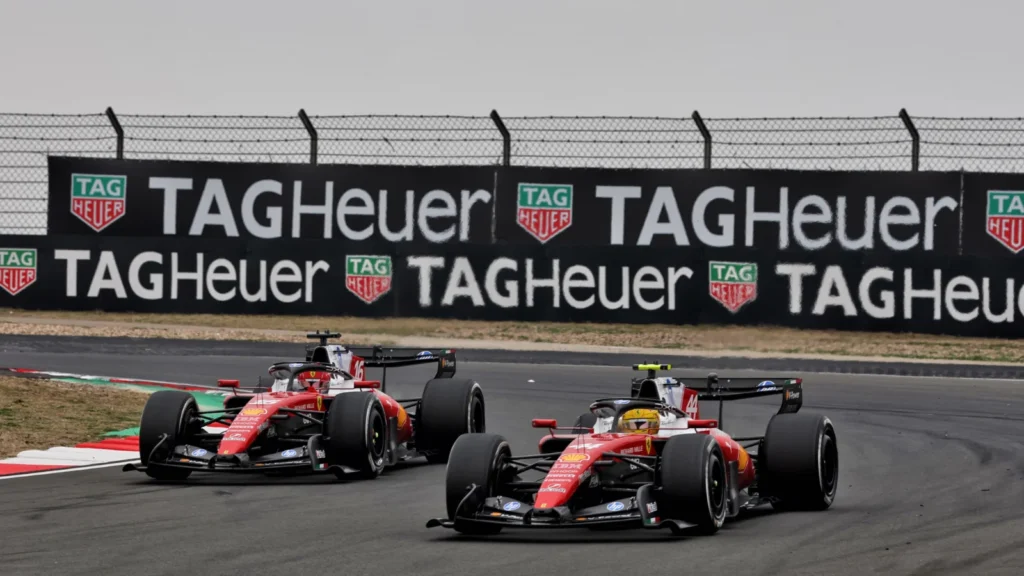
Motorsport stands out here. It is international, premium, digitally fluent, and highly engaged. It also attracts fans who tend to spend time in adjacent interests such as sim racing, esports, gaming hardware, and data-heavy competition.
More than sponsorship logic
This is not just about logos and inventory, though. The more interesting part is cultural. Racing and gaming now speak to each other in the same language: speed, precision, tension, immersion, and systems thinking.
When considering WPT Global, it’s clear that it’s part of a wider conversation around motorsport audiences, even without reducing the story to sponsorships or surface-level branding. It is part of the same broader digital competition culture, where fans move easily between watching, participating, tracking, and competing.
The connection works because the audience already understands what these worlds have in common.
The crossover is only getting stronger
Motorsport used to be something you watched from a grandstand or a sofa. Now it is something people watch, simulate, discuss, stream, clip, and remix. Gaming has followed a similar path, becoming more spectator-friendly, more community-driven, and more tied to identity.
So, the connection between racing and gaming is not really mysterious anymore. It is just what modern fan culture looks like. The track and the screen are closer than they used to be. And for a growing number of fans, moving between them feels completely normal.