
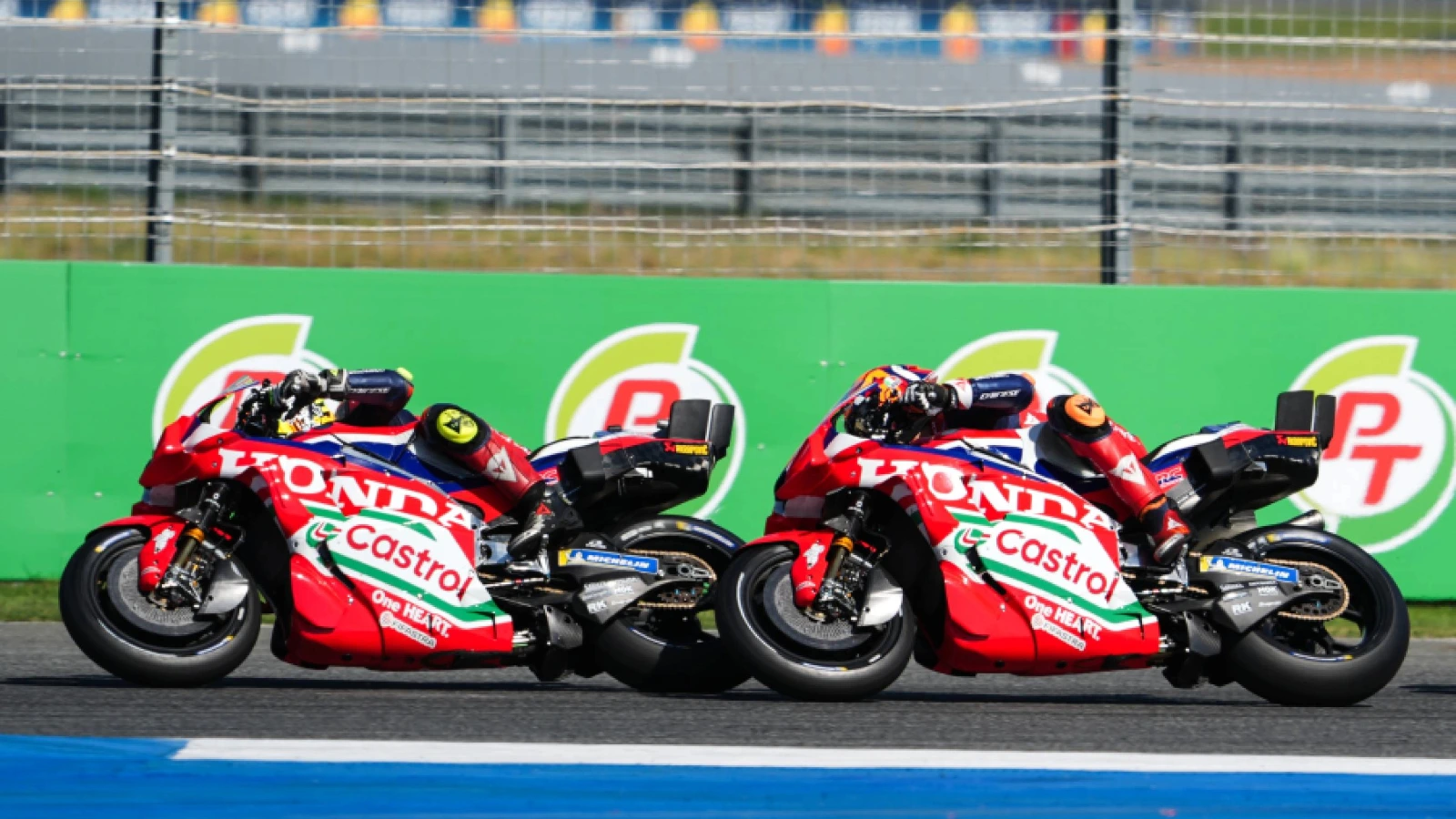
Honda technical director Romano Albesiano believes there is one specific area where it will be at an advantage under the 2027 MotoGP regulations.
MotoGP will end the 1000cc engine era at the conclusion of the 2026 season, with 2027 ushering in a major overhaul of the regulations.
Most notably, the rear ride-height device and holeshot device will be abolished, meaning teams will lose two of the key systems used to optimise race starts and acceleration.
Albesiano explained that Honda could be in a strong position ahead of the new regulations thanks to its resources and financial strength, allowing it to build a solid base for 2027 following the mid-season tests in Brno and Spielberg.
“Yes, all the manufacturers have this challenge of sharing their resources between the two projects and deciding the timing of making the transition [from their 1000s to their 850s],” Albesiano told Motorsport Magazine.
“For example, you have to decide earlier on the engine side, so it’s an ongoing process. For each area, we are defining our transition timing.
“For sure, the potential of Honda is impressive in this phase, where, let’s say, more resources are needed. I hope it will be an advantage.”
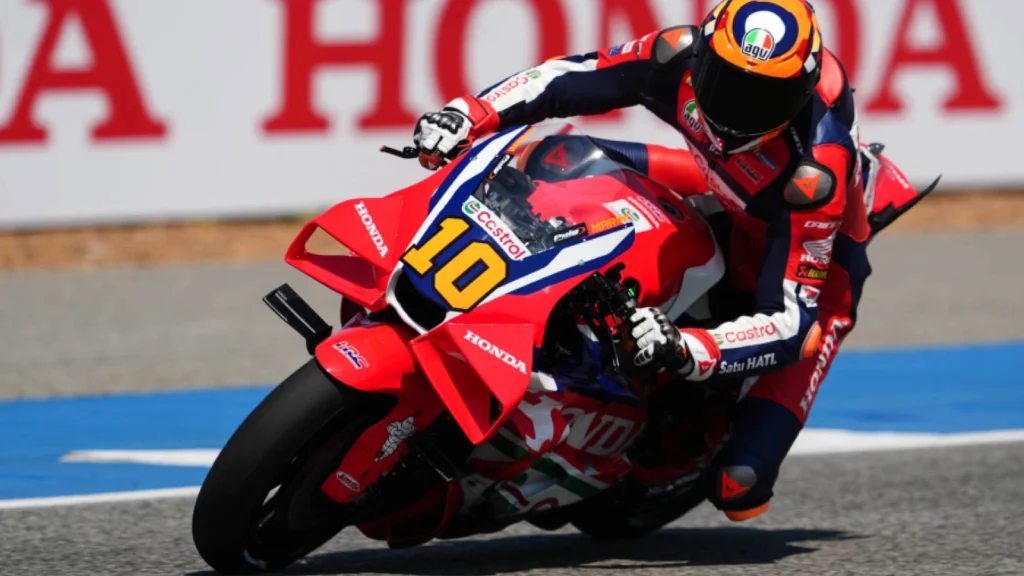
Romano Albesiano: 850cc bikes will be ‘more challenging to ride’
Albesiano believes the new bikes will place greater emphasis on rider skill than on the machines themselves.
“The bikes will definitely pitch more and the rider will have to work more,” he admitted.
“Talking with some riders last season, they told me that the current MotoGP bikes are easy to ride now – their engine delivery is perfect and the bikes are very stable, due to aero.
“Okay, finding the last second is super-difficult, but in general, these bikes are easy to ride.
“The new bikes will probably be less easy, more challenging to ride, even if the performance will be lower. They will be more normal bikes, I suspect.”
Honda attempted to test its 2027 MotoGP prototype last December in Sepang, but a downpour of rain halted its plans.




Discussion about this post