
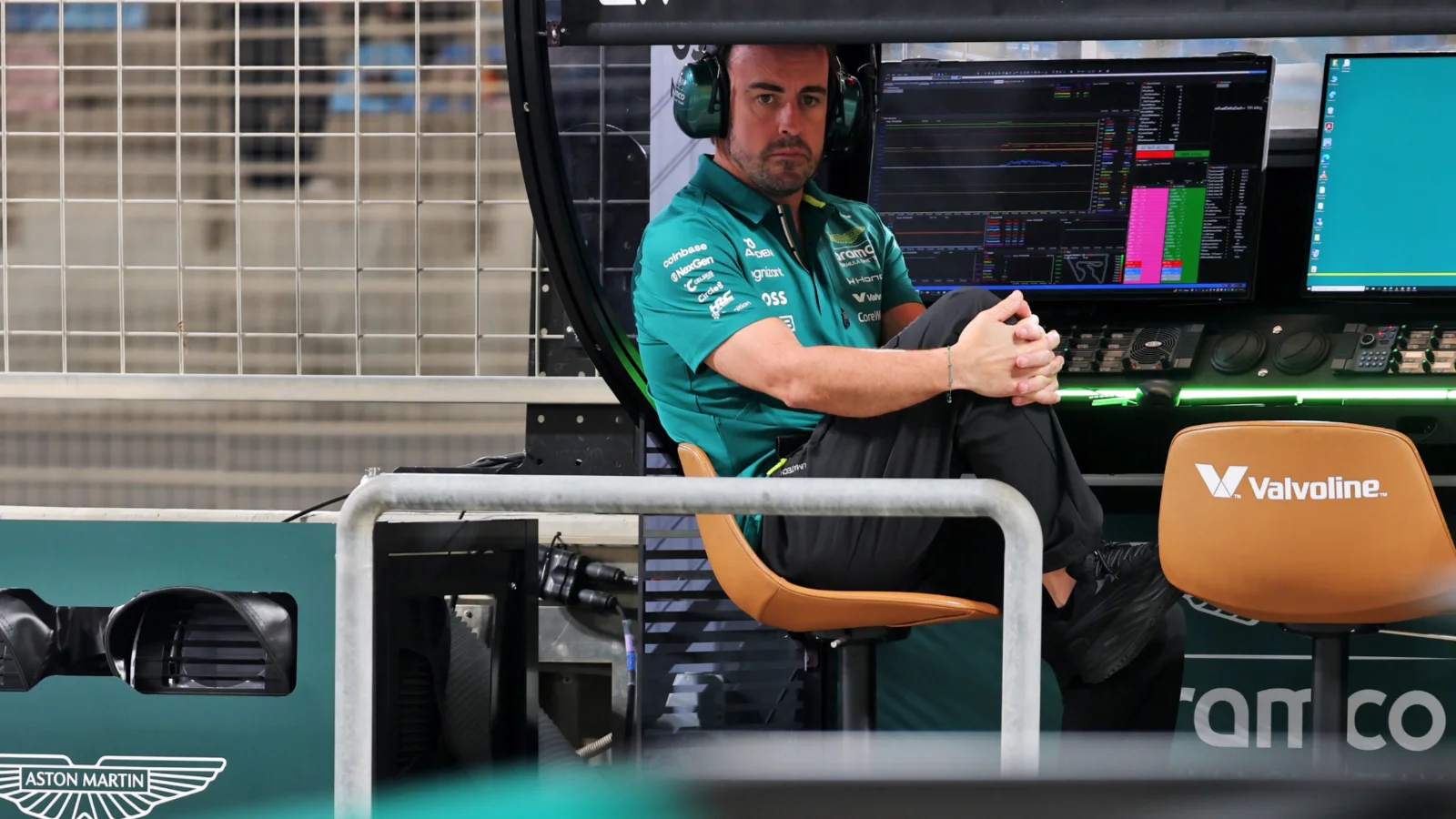
Formula 1 pre-season testing is a time of political posturing, sandbagging pace where possible, and giving away as little information as possible to the waiting media patrolling the paddock.
The markedly different cars caught many drivers by surprise, as over 15 years of driving style was rendered useless. George Russell summed up their difficulties when he reported taking corners in first gear, where a previous third would have been the preference.
For once, the track seemed to be the calmest place to be in testing. Barring a few stoppages, the drama was focused very much on the pits and paddock.
Amid unhappy drivers, power-unit rule-change lobbying, and deflection, the baking Bahrain sun masked the boiling pot of discontent. While the paddock appeared orderly, it appears the drama that encapsulates the F1 paddock has already begun in earnest.
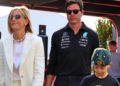
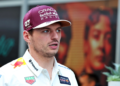
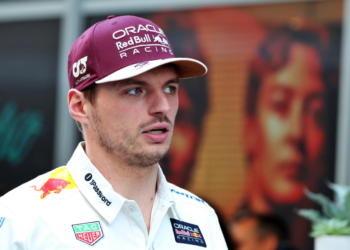
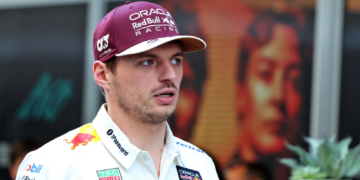
Quotes and buzzwords are already all over social media, including Max Verstappen’s “Formula E on steroids” and Fernando Alonso’s “You could drive the car at that speed” [directed at yours truly, who asked the question].
Untangling the web of testing stories is complex, as many narratives are in play this year. Almost none will be clear by the end of the second test.
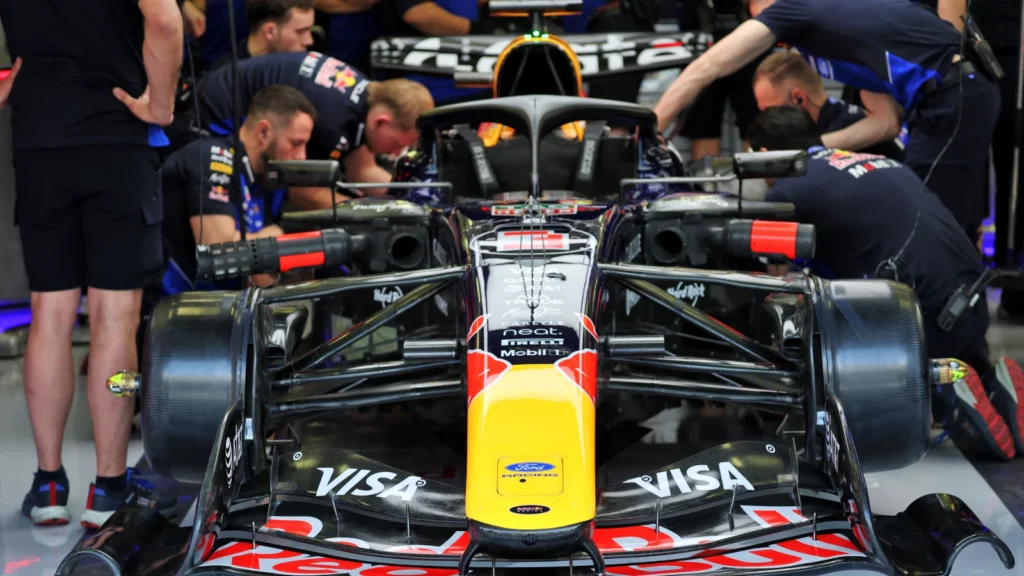
Competitive order: Now Red Bull is the favourite?!
The talk after the Barcelona shakedown was that Mercedes was the class of the field and was preparing for a dominant start to 2026. After the first Bahrain test, the narrative somewhat changed.
It became apparent after the first day that the new Red Bull Ford powertrain is not just fast and reliable; it is also highly energy-efficient, to the point that it has an advantage over the rest of the field in terms of energy deployment. How much remains to be seen. Toto Wolff credited this as up to a second over rivals, a claim that Liam Lawson quickly laughed off during media sessions.
But make no mistake, Red Bull has nailed the start to the new regulations. Its new power unit sounds fantastic, with drivers able to deploy energy far earlier than its immediate rivals on track. Whether this will translate into dominance remains to be seen, but for a team debuting its first power unit, this is a phenomenal achievement.
The drivers also seem happy with the situation. Verstappen has gripes with the cars, but is pleased with what Red Bull delivered. Isack Hadjar cut a relaxed figure during his media sessions and is targeting his first race win this season with the RB22. Calm and self-assured but devoid of arrogance, he confirmed a seamless transition from Racing Bulls to Red Bull. While not yet on the pace of Max Verstappen, Hadjar is a dark Horse to watch.
The RB22 looked planted and able to kiss the corners’ apexes to perfection on track. Verstappen’s confidence grew to the point that he began to push to find the limits. While the team itself is defecting by publicly stating it is the fourth fastest team at present, many believe this is now F1’s class act, with Mercedes’ George Russell labelling its performance “scary”.
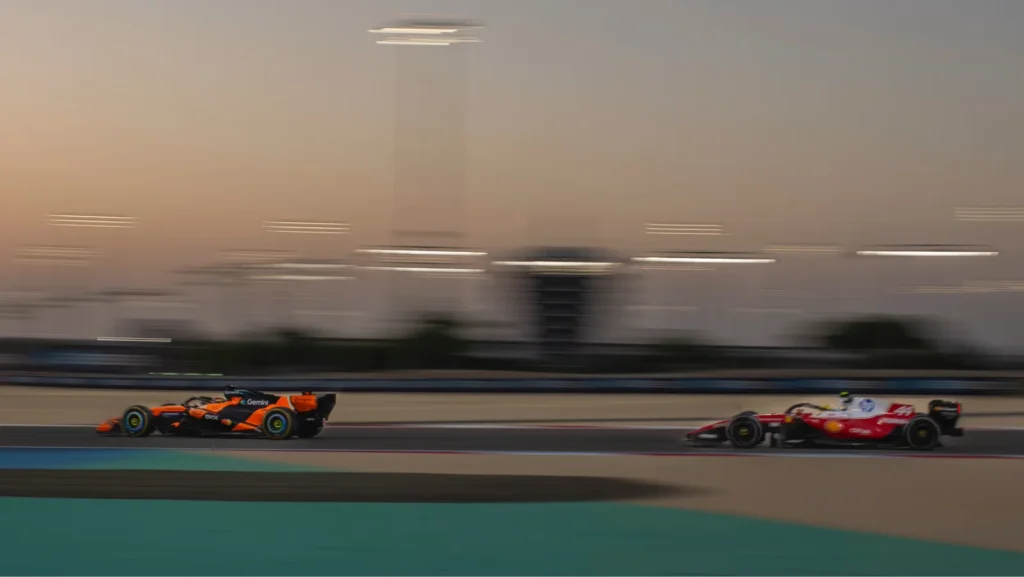
Mercedes, Ferrari and McLaren playing catch-up?
What a difference a week makes. Mercedes left Barcelona needing to tone down speculation that it had the package to beat. Now, it believes it is significantly behind Red Bull.
Worse still, the team lost valuable track data due to an engine issue that kept the new car in the garage for most of the day. The W17 looks quick and drives well, despite Russell’s complaints about low-speed cornering.
The team jumped to the top of the times in the final hours on the final day, but testing times are notoriously hard to interpret. The car is strong, there is no denying it, but instead of looking at Red Bull, its eyes are behind them on Ferrari.
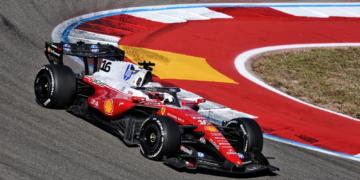
Charles Leclerc also appeared relaxed during his media sessions, a given after topping the timesheets on day two. He was content to admit that Ferrari has the third-fastest car at present. Not lacking confidence in cornering or under braking, the SF-26 looks reliable if not spectacular in his hands.
Lewis Hamilton, on the other hand, looked lost at sea. Braking much earlier than Leclerc and struggling for traction on corner exits, his demeanour during the media session indicated that the same Lewis from last year has carried over into 2026. Wanting to give the new regulations a chance, he was coy on Ferrari’s pace. Stopping out on track in the final minutes was not a good omen.
Leclerc said McLaren’s place in the pecking order was difficult to understand. But a telling revelation came from Oscar Piastri on Friday evening. He does not believe McLaren can solve all its problems for Australia, as the team is yet to understand what is inherent and cannot be fixed. He caveated that all teams are experiencing the same, but he did not indicate pecking order.
Norris says he is enjoying these cars and appreciates the challenge. A unique revelation about the MCL39 came from Engineering Technical Director Neil Houdley; it performs better on track than in the simulator, with Norris admitting he had little feedback to offer in the debriefs. The car is capable of multiple race simulations, and reliability is a clear component.
The top four teams once again have stolen a march on their rivals. The actual competitive order, however, remains to be seen.
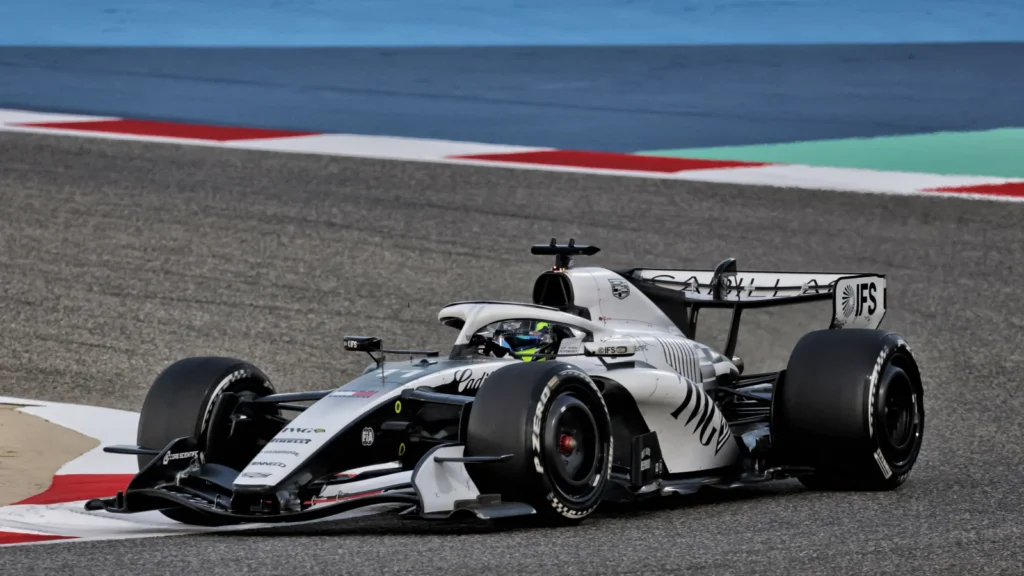
Cadillac impresses; Audi: reliable but struggling?
Cadillac Team Principal Graeme Lowdon was in happy spirits on Friday evening, delighted with the progress of his fledgling new team. Pointing out that a year ago, the team did not have an entry, it has experienced gremlins with stoppages, but its programme is running to plan.
Praising drivers Valtteri Bottas and the returning Sergio Perez for their accurate feedback, he noted that the garage is calm, orderly, and functioning as an F1 team should.
The new CA01 looked undramatic on track, visibly lacking more downforce than its competitors. But this did not concern Lowdon, who sang from the same hymn sheet as others, who said that true testing pace is yet to be seen.
The same could not be said for Audi, however. The newest power unit manufacturer on the grid, Audi, faced a tough start to its life in Motorsport’s top level.
Nico Hulkenberg stopped on track on day one, bringing out the red flag. Humorous in his explanation, he simply stated he had stopped for a coffee.
The R26 looked like a handful, with constant front locking and unable to deliver power out of corners. Team Principal Jonathan Wheatley praised the team’s progress, but Audi will need to show improvement in the second test.
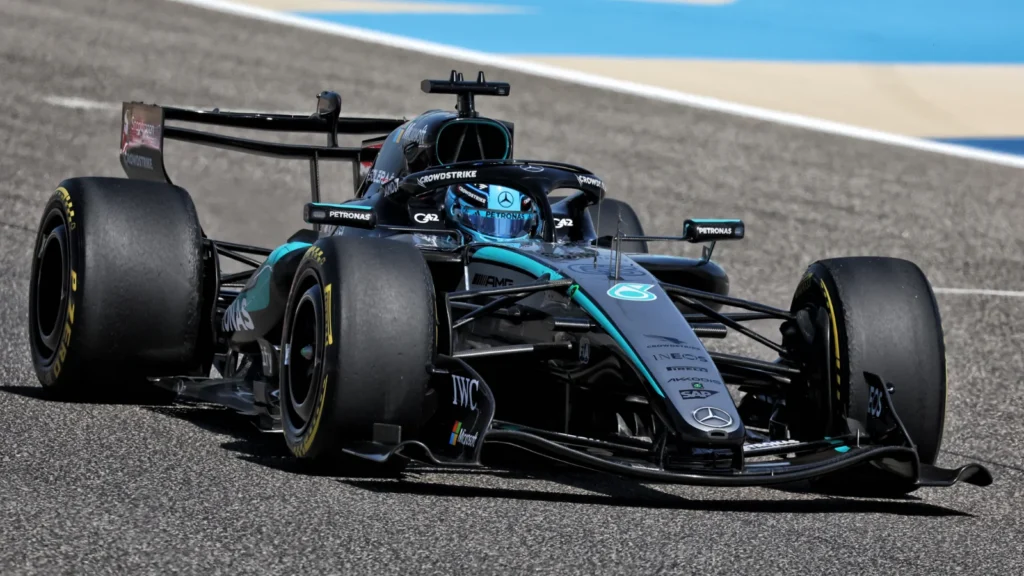
Engine compression ratio ‘super majority’ threatens Mercedes
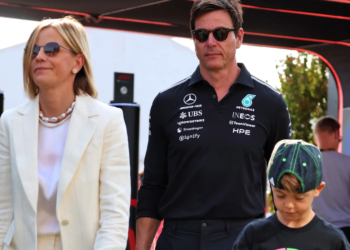
The controversy over engine compression ratios rumbled on into testing, with Toto Wolff revealing the most interesting detail yet.
Questioned on the supposed “super-majority” rival engine manufacturers are attempting to form to force a rule change, Wolff confirmed he had the original support of the FIA President when issues first started arising.
Until last week, he believed the regulations would not change. Now he is confused and worried, and understandably so. Calling the situation potentially embarrassing, he confirmed faith in governance and blamed political posturing.
Wolff maintains that the difference between rivals’ compression ratios and Mercedes’ apparent loophole is no more than a few horsepower. But it is a battle on the precipice of going the wrong way for the team.
Mercedes engine customers also rallied around their supplier. Alpine Racing Director Steve Neilsen raised the possibility that a regulation change caused by rivals not liking an element of design would open Pandora’s box: nothing would be off the table.
Meetings between the FIA and the engine manufacturers continue to take place, three in the last several weeks. No official line has been set on the outcome of these meetings, and the disagreement over the technology’s future is perilously close to needing resolution weeks before the first race of the year.
Wolff made a clear effort to put the spotlight on Red Bull following their strong start out of the box and supposed energy deployment advantage. For a while, it looked to have worked, but finishing the afternoon session with a one-two on the same tyres as Red Bull will do little good to take the heat off Mercedes.
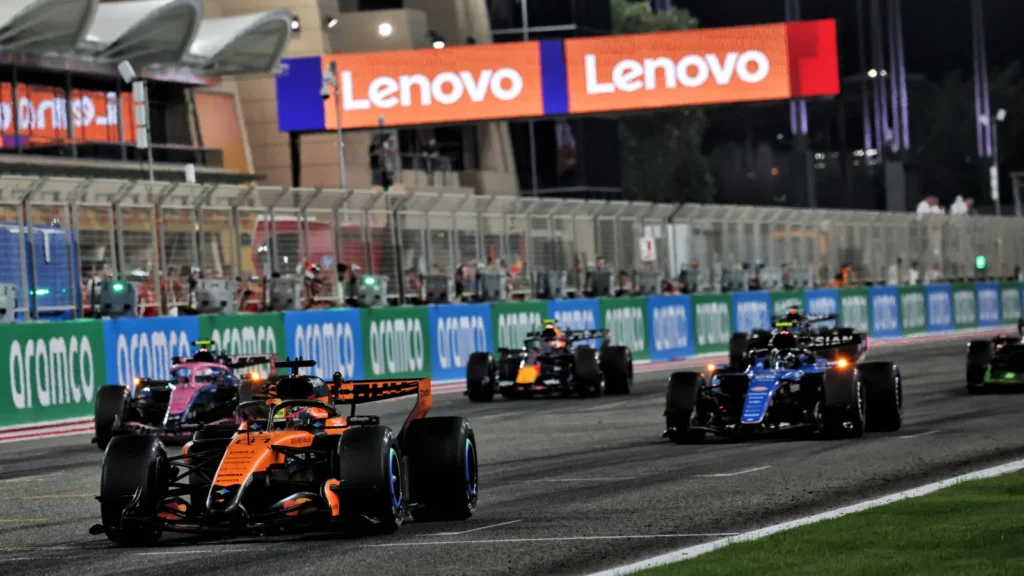
Race starts labelled a disaster waiting to happen as drivers rebel
The “race start” at the end of the final day of testing arguably descended into farce before the cars lined up on the grid. Franco Colapinto set the tone when his tyre burnout as he approached his grid spot almost resulted in a wall hit, prompting audible gasps of disbelief from both the crowd and the media.
The subsequent embarrassing scenes of several drivers failing to launch off the grid at lights-out were not simple mistakes. Instead, the cause was something far more ridiculous: energy spooling.
Deploying the battery for the prime launch takes about 10 seconds, and drivers have noted that the process is immensely complex. Concerns were raised in the opening days by drivers who were sat for what felt like an age at the end of the pit lane, waiting for energy to reach optimum levels before they could set off. Pierre Gasly’s looked particularly strenuous on day two.
In its current form, race starts are not just embarrassing; they are downright dangerous. Piastri called the current situation a recipe for disaster. One of the top items for the F1 Commission to discuss at its meeting next week is expected to be changes to race starts in the next couple of weeks.
Some drivers are disgruntled with the new cars, while some are enjoying the challenge. None are enjoying the race starts, or the severe lack of downforce in the corners. One can be sorted with ease, and the second will take more creative thinking.
READ MORE – Jeremy Clarkson delivers take on new F1 rules with ‘Drive to Survive’ quip




Discussion about this post