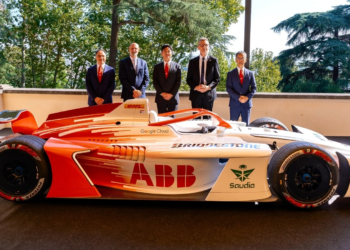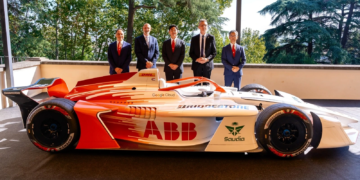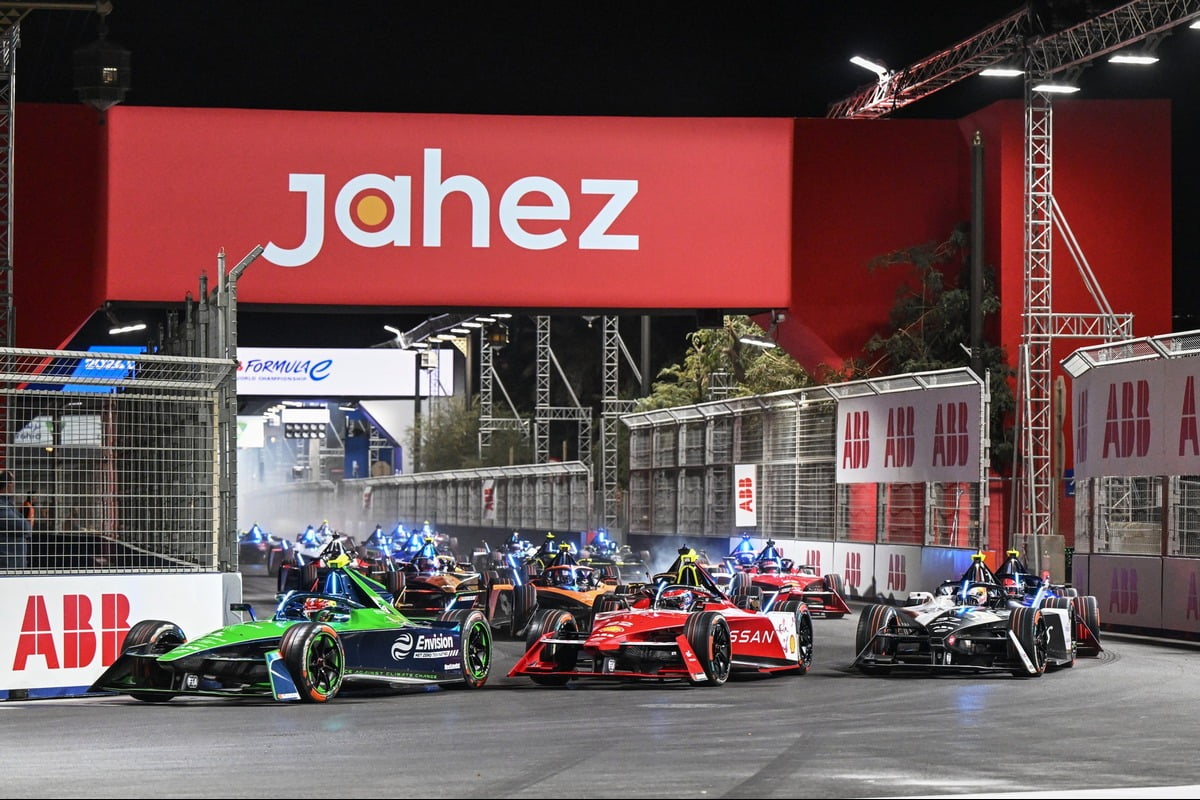
The thunderous roar of engines has long been associated with motorsport, which are fuelled by adrenaline and high-octane petrol. But on the race track a silent revolution is gaining traction. A Formula E race, for example, emits 40% less CO2 than its traditional counterpart. This dramatic shift reflects the growing movement for sustainable motorsport, which prioritizes innovation and environmentally friendly practices.
This surge in sustainability isn’t just about keeping the air clean; it’s about attracting a new generation of environmentally conscious fans and sponsors, a demographic increasingly courted by online gambling platforms known for their commitment to social responsibility. As the roar of engines shifts towards a cleaner future, let us look at the initiatives and technologies propelling sustainable motorsport to the forefront.
The need for a greener grid: Why motorsport must embrace sustainability
The world of motorsport has always been a fast-paced spectacle that tests the limits of speed and performance. However, the chequered flag now represents a new kind of race: the race for sustainability.
Traditional motorsport have a large impact on the environment. The roar of engines is frequently accompanied by a cloud of carbon emissions, a by-product of the enormous amount of fuel consumed by race cars. This is not the only environmental issue. From the oil used to power these machines to the construction and maintenance of race tracks, resource consumption is a recurring theme. Discarded tires, worn-out parts, and single-use items contribute to waste generation.


The public’s growing concern about climate change has focused attention on industries such as motorsport, demanding a shift towards a more sustainable future. Fortunately, the need for change is aligned with a growing desire. Eco-conscious fans and sponsors are increasingly attracted to platforms that share their values. Embracing sustainability is about more than just environmental stewardship; it is also about attracting a new generation of passionate supporters.

The good news is that the race to a greener grid is already underway. Motorsport has the potential to reduce its environmental footprint while also driving innovation that will benefit everyday vehicles by implementing sustainable practices and pioneering clean technologies. Imagine cleaner commutes and more fuel-efficient cars, all thanks to track advancements.
Eco-friendly initiatives in motorsport
Racing series explicitly designed around eco-friendly principles are pioneering motorsport’ sustainable future. Formula E, the all-electric single-seater championship, serves as an excellent example. Since its inception in 2014, the series has captivated audiences with its cutting-edge electric race cars, which can reach speeds of over 280 km/h (174 mph). The strict regulations governing Formula E require the use of environmentally friendly practices, from electric powertrains to battery cell recycling.
Another notable example is Extreme E, a radical new series in which electric SUVs race in remote locations around the world, ranging from Arctic glaciers to Amazon rainforests. The series not only demonstrates the capabilities of electric off-road vehicles, but it also seeks to raise awareness about the fragility of these ecosystems and the effects of climate change.
Sustainable practices at traditional racing events
Established racing series are also embracing sustainability, launching a variety of eco-friendly initiatives. In MotoGP, the premier motorcycle racing championship, efforts are being made to investigate the use of biofuels and synthetic fuels with smaller carbon footprints. Many circuits are also investing in renewable energy sources, such as solar panels and wind turbines, to power their facilities and reduce their reliance on fossil fuels.
NASCAR, the pinnacle of stock car racing, has implemented extensive waste management programs at race tracks, encouraging recycling and composting. Moreover, the series has focused on sustainable track construction and maintenance, utilizing eco-friendly materials and practices to minimize environmental impact.
Emphasis on green logistics and travel
Racing teams are also recognizing the value of sustainable logistics and travel practices. Many teams are looking into using biofuels or electric vehicles to transport equipment and personnel, which would further reduce their carbon footprint. Furthermore, teams are optimizing travel routes and logistics to reduce emissions while encouraging remote collaboration and virtual meetings to reduce unnecessary travel.
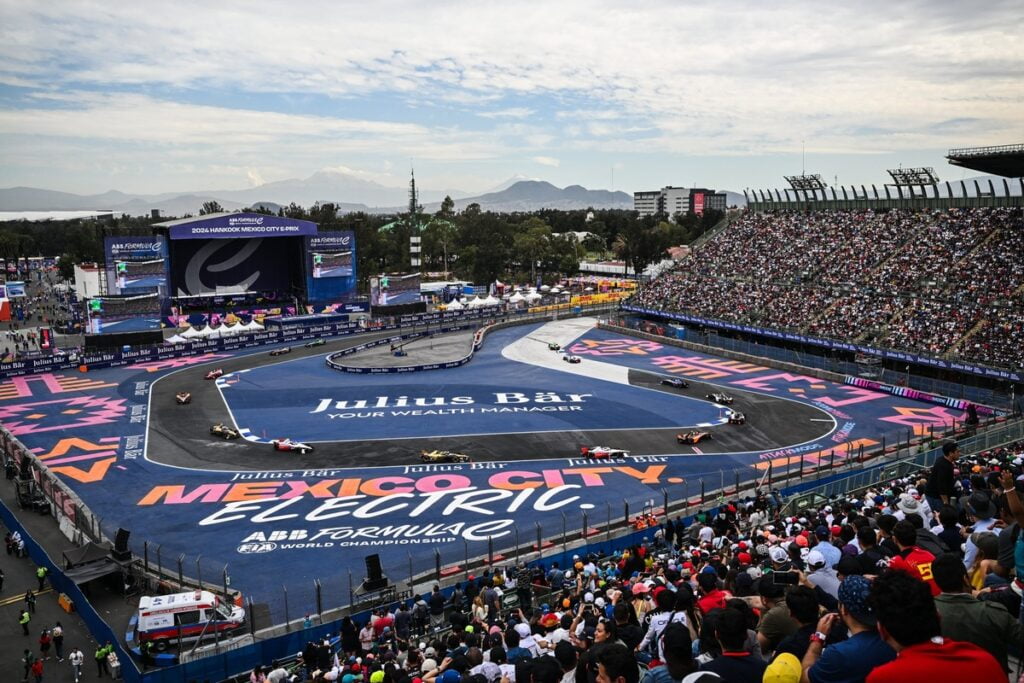
Efforts are also being made to encourage spectators to use eco-friendly transportation when attending races. This includes promoting public transportation, carpooling, and providing bike parking at race tracks. Some events have even offered rewards to fans who choose sustainable travel options.
As the world grapples with the pressing issue of climate change, the motorsport industry recognizes the need to set an example. Motorsport can not only reduce their environmental impact but also catalyse innovation, driving the development of clean technologies that can benefit society as a whole.
Technological advances for sustainable motorsport: Electric and hybrid powertrains
Electric and hybrid powertrains are at the cutting edge of sustainable motorsport technology. The rise of all-electric racing series, such as Formula E, has accelerated the development and adoption of high-performance electric motors and batteries. These zero-emission powertrains not only eliminate tailpipe emissions, but they also provide the potential for faster acceleration due to electric motors’ instant torque delivery. However, challenges remain, such as managing battery pack weight and developing a reliable charging infrastructure to support electric race cars.
Hybrid systems, which combine internal combustion engines and electric motors, are another promising solution. Hybrid powertrains can increase efficiency and lower overall emissions by capturing and reusing energy from braking and other sources. Several top racing series, including Formula One, have already embraced hybrid technology, paving the way for future advances in sustainable motorsport.
Advanced biofuels and synthetic fuels
While electric and hybrid powertrains provide zero-emission solutions, advanced biofuels, and synthetic fuels are also gaining popularity in motorsport. Biofuels made from sustainable sources such as agricultural waste, algae, and cellulosic biomass, all providing a renewable alternative to traditional fossil fuels. Meanwhile, synthetic fuels, which are produced by capturing carbon dioxide and combining it with hydrogen, offer a potential path to carbon-neutral or even carbon-negative racing.

These advanced fuels have the potential to significantly reduce reliance on traditional fossil fuels while still allowing the use of high-performance internal combustion engines in certain motorsport disciplines.
Lightweight and sustainable materials
In addition to sustainable powertrains and fuels, using lightweight and recycled materials in race car construction is a critical area of innovation. These materials can help improve efficiency and reduce emissions by reducing overall vehicle weight. Notable advances in this field include:
- Carbon fibre composites and advanced aluminium alloys for stronger, lighter chassis and body panels.
- Bio-composite materials derived from renewable sources like bamboo or flax fibres offer a sustainable alternative to traditional carbon fibre.
- Recycled and recyclable plastics for interior components and non-structural parts.
- Lightweight ceramics and composites for brake systems and other high-temperature applications.
These materials not only have a lower environmental impact, but they also have high strength-to-weight ratios, making them ideal for motorsport applications.
As the pursuit of sustainability in motorsport grows, technological advancements will play an increasingly important role in shaping the industry’s future, allowing for thrilling on-track action while minimizing environmental impact.
The road ahead: Challenges and opportunities
While the path to sustainable motorsport presents challenges, such as the high costs of developing new technologies and the need for supporting infrastructure such as charging stations and sustainable fuel production facilities, there are numerous opportunities. Motorsport can drive innovation with far-reaching implications by pioneering clean technologies. Furthermore, embracing sustainability can attract new sponsors and fans who are more aware of environmental issues. Perhaps most significantly, sustainable motorsport have the potential to pave the way for a more environmentally friendly future for all modes of transport, acting as a catalyst for positive change across industries and societies.