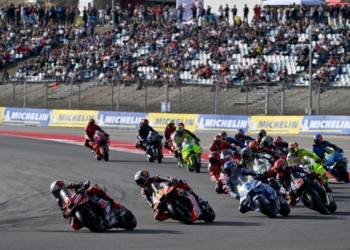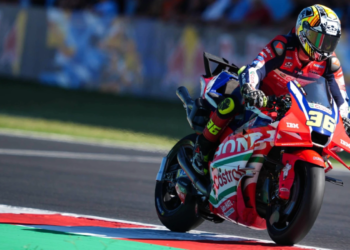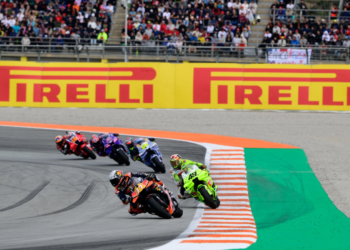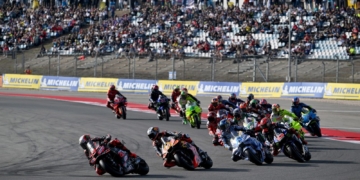
There is a ritual that plays out in motorcycle-racing households every time the calendar swings toward the Japanese Grand Prix…
The alarm gets set for an unusual hour, the coffee machine goes on early, and the group chat fills with reminders about which corner at Mobility Resort Motegi always produces the best overtakes. The Japanese round has never been just another race. It is a homecoming for the manufacturers that built the sport, and this year, with the meeting scheduled for 2 to 4 October 2026, that pull feels stronger than ever.
Part of what makes Motegi weekends so magnetic for the global audience is how deeply fans want to stay connected to the action, no matter where they are watching from. That appetite for engagement is exactly why crypto sports betting has grown into such a talking point among motorsport followers who want to follow every session on their own terms.
The best bitcoin sportsbooks reviewed for 2026 appeal to that crowd because they let people fund an account with Bitcoin or other digital coins, play with a degree of anonymity, and move across sports — from MotoGP to football and basketball — without the friction of traditional banking. Welcome bonuses and ongoing promotions add to the draw, and for viewers scattered across different time zones, the speed and convenience of crypto payments fit neatly into a race weekend built around odd hours and international audiences.
A track built by the manufacturers
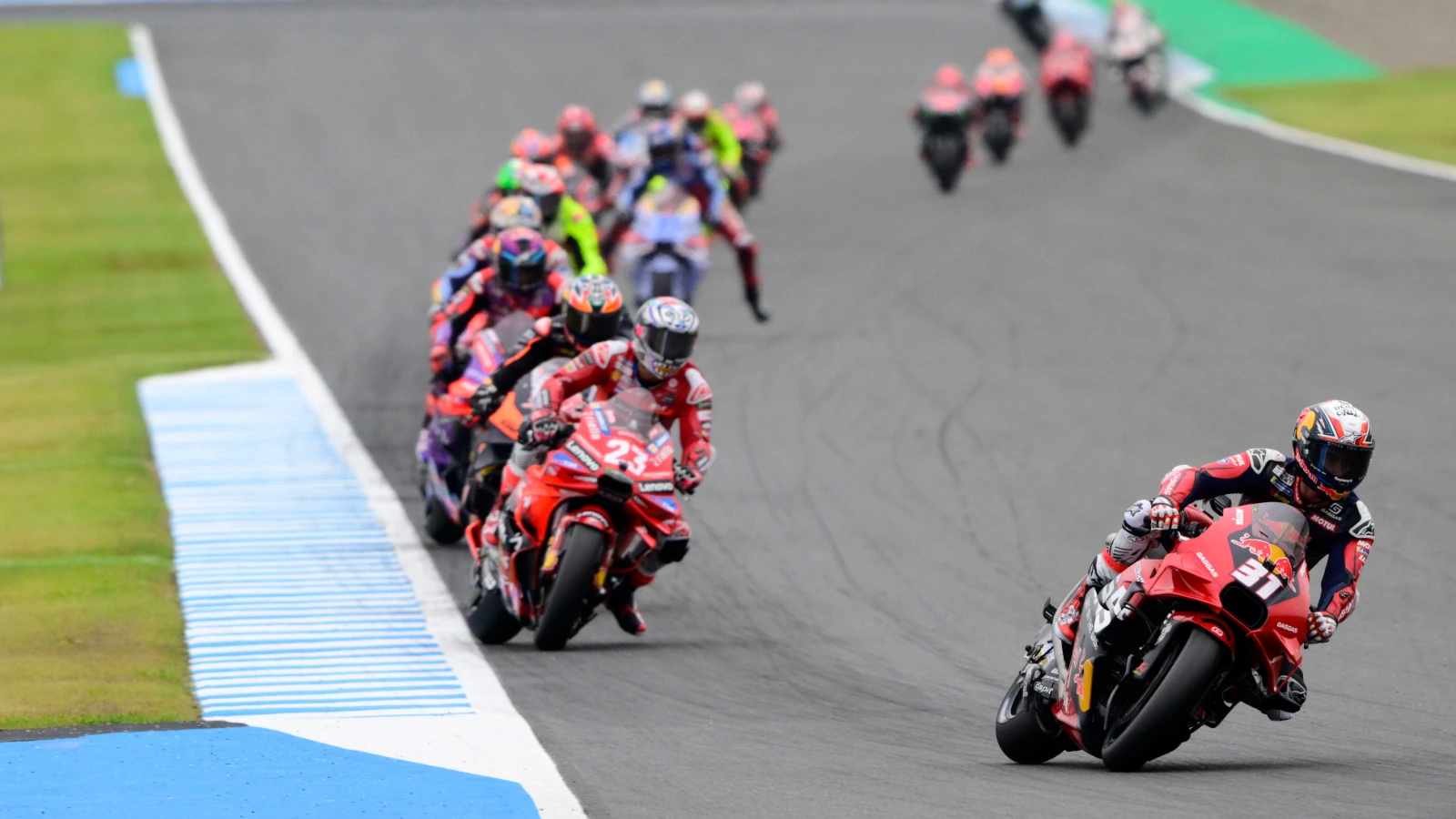
Motegi is unlike almost anywhere else on the MotoGP schedule, and that is no accident. The circuit was originally developed by Honda, and its stop-and-go layout — a sequence of hard braking zones punctuated by short bursts of acceleration — reads like an engineering exam written specifically for the sport’s technical minds. Riders have to nail their braking markers lap after lap, and the wear it puts on brakes and tyres turns the race into a survival test as much as a sprint.
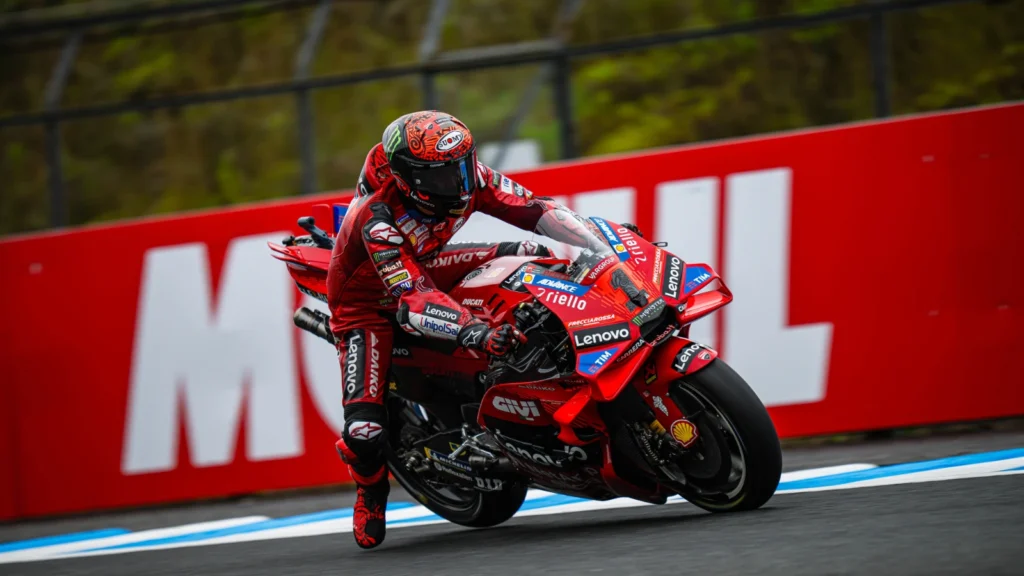
For the Japanese fans who fill the grandstands, the venue carries obvious meaning. Honda, Yamaha and Suzuki shaped the DNA of grand prix racing, and seeing prototype machinery scream past on home soil connects the crowd to decades of history. The engineers who spend their working lives inside those factories often make the trip too, watching the fruit of countless late nights get pushed to the limit.
The rivalries fans are tracking
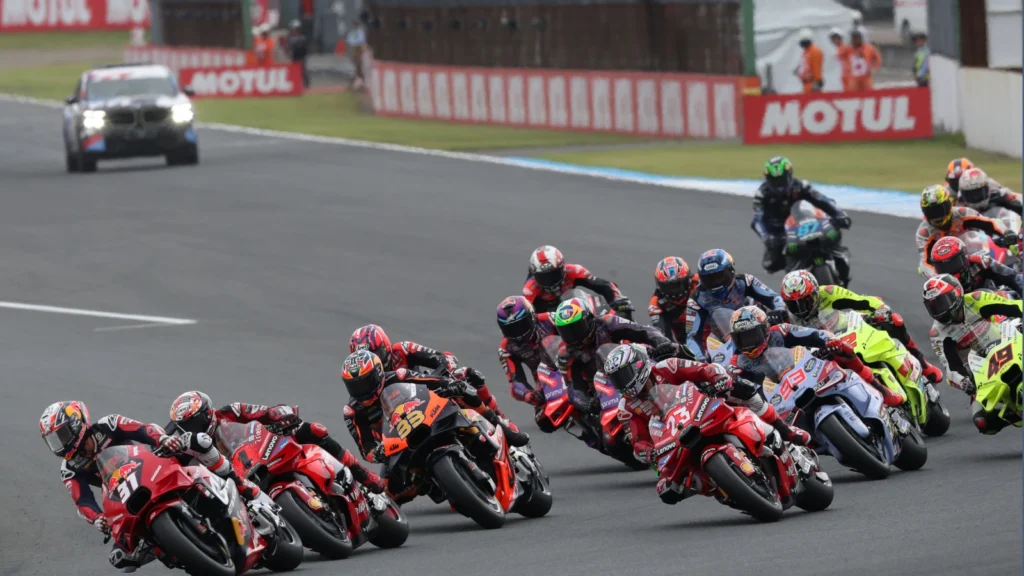
Every MotoGP season lives and dies on its rivalries, and Motegi tends to bring them into sharp focus. The championship fight has a way of tightening as the flyaway rounds arrive, and the paddock knows a strong result in Japan can swing the momentum heading into the final stretch of the year. Fans watching from abroad will be paying close attention to how the title contenders manage the circuit’s punishing braking demands, where a tenth of a second lost under braking compounds across the full race distance.
There is also the subplot of factory pride. When Ducati, Aprilia and the Japanese marques line up at a track so closely tied to Honda’s legacy, every overtake carries a little extra weight. The atmosphere in the stands reflects that. Japanese crowds are famously respectful and knowledgeable, greeting a clean pass or a brave defensive line with the kind of collective appreciation that television microphones struggle to capture.
How the global audience plugs in
What makes the modern MotoGP experience so rich is the sheer number of ways to follow it. Onboard cameras let viewers ride shotgun through the esses. Live timing screens break down sector splits in real time. Social feeds light up between sessions with slow-motion clips and telemetry breakdowns that would have baffled fans a generation ago. The sport has leaned hard into its technical brilliance, and the audience has rewarded it by digging deeper than ever into the details.
That same hunger for immersion is why the crossover with digital tools keeps growing. Motorsport fans are natural data lovers, comfortable with lap deltas and tyre-degradation charts, and many of them apply the same analytical eye to how they engage with the wider sporting world. It is a mindset that treats a race weekend as something to be studied, tracked and savoured from multiple angles rather than passively watched.
When a night race like Singapore rolls around, that appetite only intensifies — as one classic build-up piece put it, the challenge is tough, humid and all lit up, the kind of spectacle that keeps the global audience glued to every session.
A packed autumn on the motorsport calendar
Motegi does not arrive in isolation. The stretch of racing around it is one of the busiest of the season. Formula 1 heads to the Azerbaijan Grand Prix at Baku on 24 to 26 September 2026, with the sportscar world converging on the 6 Hours of Fuji on 27 September — a neat bit of symmetry that puts two major series on Japanese soil within days of each other.
Then, just after the MotoGP field leaves Motegi, Formula 1’s travelling circus lands at the Marina Bay Street Circuit for the Singapore Grand Prix on 9 to 11 October 2026. That night race has long held a reputation as one of the most physically brutal events on any calendar — a fitting bookend to an autumn packed with elite competition across two wheels and four.
Why this weekend lands differently
Motegi’s return matters because it reconnects the sport with the culture that raised it. For Japanese fans, it is a rare chance to celebrate their homegrown giants in person. For the global audience, it is a showcase of the engineering artistry and rider bravery that make MotoGP so compelling. When the lights go out on 4 October, the roar from the grandstands will not just be for the leader — it will be for a whole tradition, still very much alive.