Motorsport has always served as a testing ground for technological innovation.
Many features now found in everyday road cars — from advanced braking systems to hybrid technology — were first refined under the demanding conditions of competitive racing. Today, the industry is entering another period of rapid transformation, driven by sustainability, electrification, and artificial intelligence.
As governments, manufacturers, and racing organisations pursue lower emissions and greater efficiency, motorsport is adapting without abandoning its competitive spirit. Sustainable fuels, electric racing series, and AI-powered engineering tools are redefining how teams design cars, prepare strategies, and compete on the track. Rather than replacing traditional racing, these technologies are expanding what motorsport can achieve while encouraging innovation that may eventually benefit everyday transportation.
Sustainable fuels are changing internal combustion engines
One of the most significant developments in modern racing is the adoption of sustainable fuels. Instead of relying solely on conventional fossil fuels, engineers are developing synthetic and bio-based alternatives designed to reduce lifecycle carbon emissions while remaining compatible with high-performance engines and being a testing ground for technological innovation.


The transition toward cleaner technologies reflects broader digital and industrial innovation across many sectors. Similar trends in technological evolution can also be observed on platforms such as Melbet sports betting. Potential advantages include lower lifecycle emissions, compatibility with existing engines, continued high performance, reduced dependence on fossil fuels, and support for gradual industry transition. A lot of racing organisations view sustainable fuels as an important step toward balancing performance with environmental responsibility.

Electric racing continues to evolve
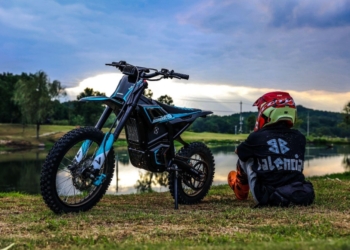
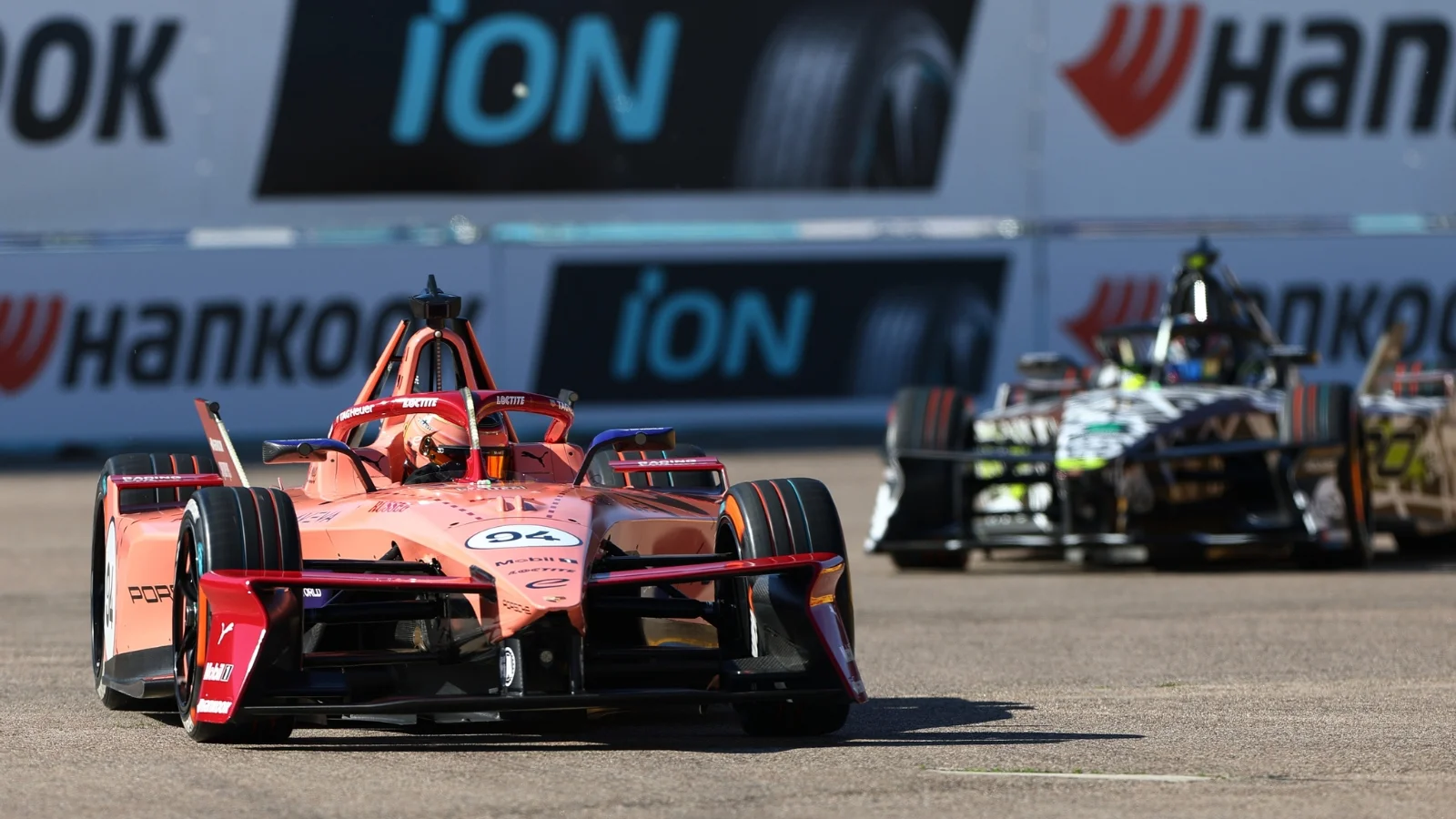
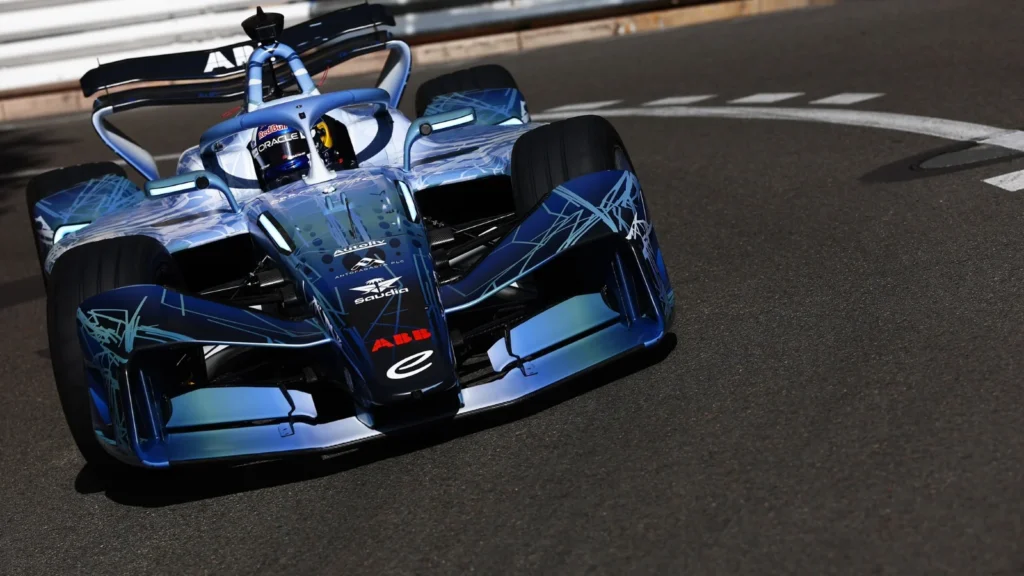
Battery powered or electric motorsport has developed rapidly over the past decade, with championships demonstrating the capabilities of battery-powered competition. Electric race cars offer instant torque, high energy efficiency, quiet operation, advanced energy management, and innovative powertrain design.
Motorsport increasingly relies on digital technologies for performance optimisation. Similar patterns of technology-driven innovation can also be seen on services such as Melbet on Facebook, where evolving digital platforms continually improve user experiences. Although battery technology still presents challenges, ongoing research continues improving both performance and range.
Artificial intelligence supports racing teams
Artificial intelligence has become an important engineering tool throughout motorsport. Teams use AI to assist with strategy simulations, performance analysis, predictive maintenance, aerodynamic optimisation, and data interpretation. Instead of replacing engineers, AI enables faster analysis of enormous volumes of technical information and a testing ground for technological innovation.
Simulation technology is becoming more advanced
Modern racing teams rely heavily on simulation before arriving at a circuit. Simulation tools help evaluate tyre degradation, fuel strategies, weather scenarios, aerodynamic balance, and suspension settings. Accurate simulations reduce development time while improving decision-making throughout race weekends.
Sustainability extends beyond the cars
Environmental initiatives increasingly affect every aspect of motorsport. Examples include renewable energy at race facilities, sustainable logistics, improved recycling, reduced waste, and lower-carbon event operations. These efforts demonstrate that sustainability involves the entire racing ecosystem rather than vehicle technology alone.
Challenges remain
Despite remarkable progress, several obstacles continue to influence the future of racing.
| Challenge | Why it matters |
|---|---|
| Battery technology | Weight and energy density remain limiting factors for electric racing. |
| Sustainable fuel production | Large-scale availability and consistent supply chains are still developing. |
| Development costs | The financial investment required for new technologies is substantial. |
| Infrastructure | Charging networks and fuel distribution need further expansion. |
| Fan expectations | Preserving the excitement and spectacle of traditional racing is essential. |
Addressing these issues will require continued collaboration between manufacturers, engineers, and governing bodies.
Innovation benefits road cars
Historically, racing technologies have frequently influenced consumer vehicles. Current areas of knowledge transfer include battery efficiency, hybrid systems, lightweight materials, AI-assisted safety, and energy management. Many innovations developed in competition eventually become practical for everyday transportation.
The future of motorsport
The next generation of racing is likely to combine multiple advanced technologies. Possible developments include greater use of sustainable fuels, more efficient electric powertrains, AI-enhanced engineering, advanced autonomous support systems, and smarter energy recovery technologies. Instead of focusing on a single solution, motorsport is expected to embrace a combination of innovations that improve both performance and sustainability.
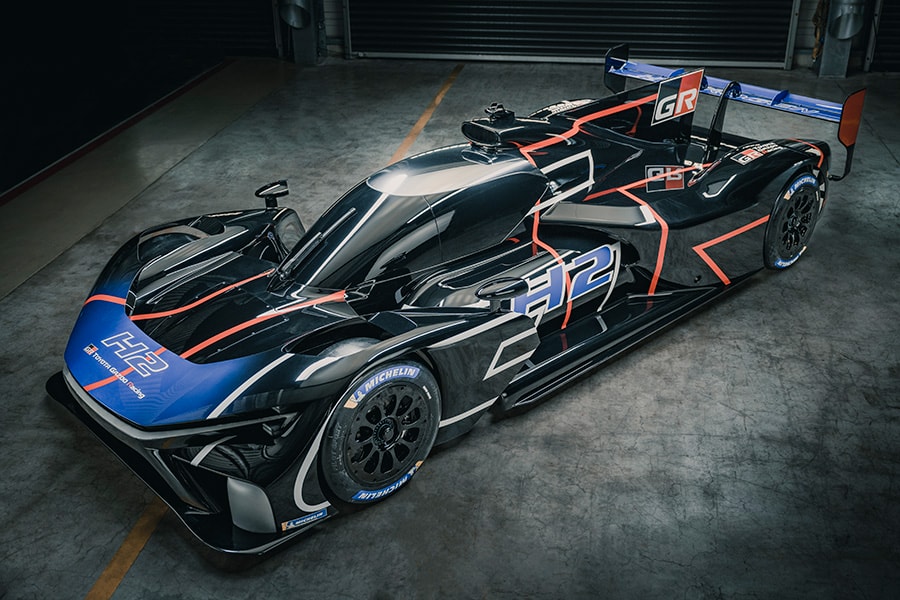
The future of racing is being shaped by three major forces: sustainable fuels, electrification, and artificial intelligence. Together, these technologies are transforming how race cars are designed, how teams prepare for competition, and how motorsport contributes to broader advances in automotive engineering.
While traditional internal combustion engines continue evolving through cleaner fuels, electric racing demonstrates the potential of new propulsion systems, and AI enables faster, more accurate technical decision-making. Each technology addresses different challenges while supporting the industry’s long-term commitment to innovation.
Looking ahead, motorsport will likely remain one of the world’s most important laboratories for technological progress. By combining engineering excellence with sustainable practices and intelligent systems, racing can continue delivering exciting competition while helping shape the future of transportation both on and off the track.