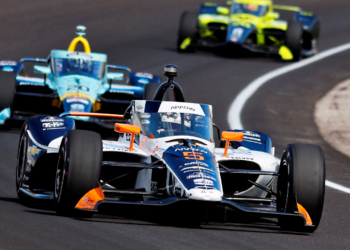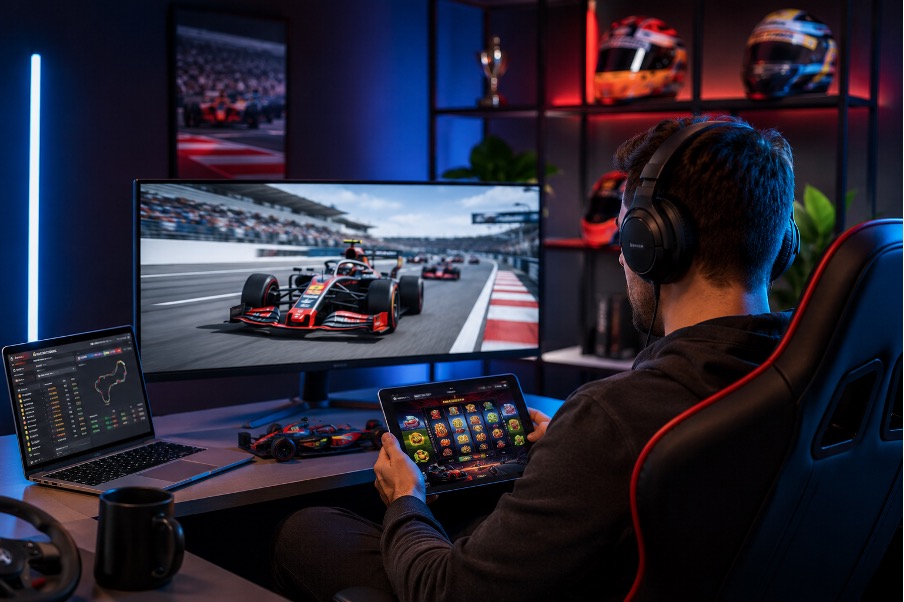
Motorsport has always attracted people who enjoy speed, competition, and technical excellence.
For decades, fans followed races through television broadcasts, magazines, and live attendance. Today, the experience looks very different. Digital technology has expanded the ways supporters interact with their favourite series, drivers, and events, and many enthusiasts now spend as much time engaging with motorsport-related content online as they do watching races themselves.
The growth of digital entertainment reflects broader changes in consumer behaviour. Fans seek content that fits their schedules, matches their interests, and allows greater participation. Discussions, simulations, video content, and gaming activities now form an important part of the motorsport experience.
In conversations about online entertainment platforms, some users also mention services such as lazybar casino while discussing different digital leisure activities available through connected devices. These discussions show how online audiences often explore several forms of entertainment within the same digital environment.

A digital option for motorsport fans
As motorsport supporters spend more time online, they often explore different forms of digital entertainment beyond race coverage and community discussions. Platforms such as Lazybar Casino attract attention because they offer easy access through mobile devices and desktop systems, allowing users to engage with entertainment whenever they choose.
Many users appreciate the straightforward interface, a broad selection of gaming options, and quick access to features without unnecessary complexity. This type of platform reflects a wider trend in digital entertainment, where convenience, accessibility, and continuous online engagement play an increasingly important role in how people spend their leisure time.
The shift toward always-connected entertainment
Modern audiences no longer depend on fixed schedules to access content. Smartphones, tablets, and laptops allow fans to stay connected throughout the day, and instead of waiting for race weekends, supporters now consume information continuously — reading updates, watching analysis videos, reviewing statistics, and participating in discussions whenever they have free time.
Faster internet connections, greater access to mobile devices, and the growth of on-demand and interactive platforms have all driven this change. Fans now expect immediate access to race news, technical updates, and driver developments, and digital entertainment satisfies that demand.
The appeal of interactive experiences
Traditional media offered a one-way flow of information. Modern platforms encourage participation. Motorsport supporters increasingly enjoy experiences that allow them to contribute rather than simply observe, predicting race outcomes, joining discussion forums, creating content for social platforms, and sharing race analysis with other fans. These activities create a sense of involvement that extends well beyond race day, and many enthusiasts spend significant time comparing strategies, discussing technical developments, and debating driver decisions through digital channels.
Sim racing has expanded motorsport culture
One of the most significant developments in recent years involves the growth of sim racing. Advanced software and affordable hardware have made virtual motorsport accessible to a larger audience, and many fans appreciate the way sim racing allows them to experience elements of competition firsthand. Participants often gain a deeper understanding of racing lines, tyre management, braking zones, and race strategy — a hands-on connection that helps supporters appreciate the challenges professional drivers face during actual events.
Video content continues to grow
Short-form and long-form video content now plays a major role in motorsport entertainment. Fans consume far more than race broadcasts — they also watch interviews, technical breakdowns, documentaries, historical reviews, and behind-the-scenes footage.
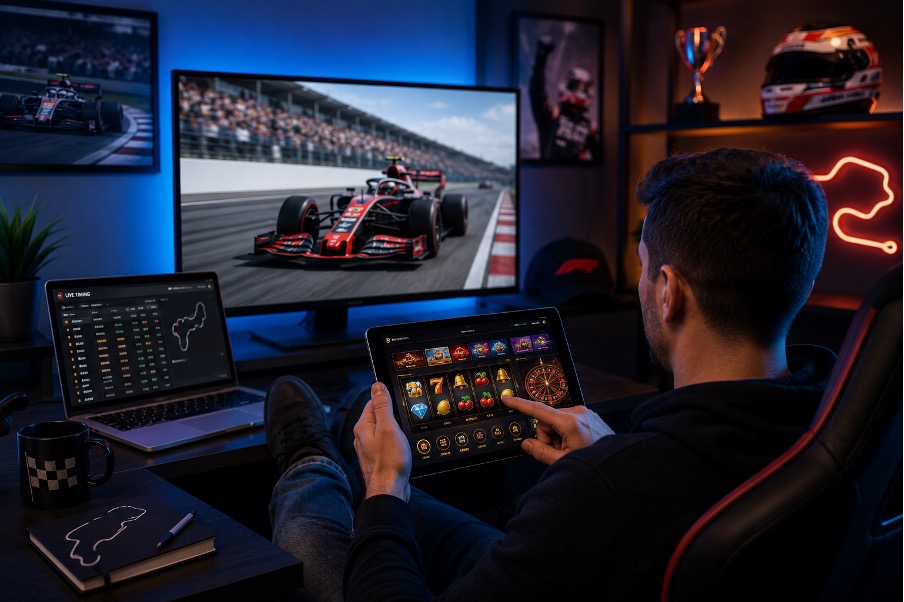
Video creators produce material that addresses specific interests, with some focusing on engineering and others examining strategy, regulations, or historic races. Increased smartphone usage, easier content production, and wider access to streaming platforms have all contributed to rising consumption, and fans often spend hours each week watching racing-related material outside official race coverage.
Online communities create stronger connections
Motorsport enthusiasts often live in different countries and follow different racing categories, and digital communities bring these people together. Online discussions allow supporters to exchange opinions, share information, and learn from one another across driver performance, team strategy, technical regulations, championship standings, and historic races.
Unlike traditional media, online communities allow immediate responses and ongoing interaction, and that participation keeps interest high even during breaks between race weekends.
Data has become entertainment
Statistics now play a larger role in motorsport than ever before. Modern racing generates enormous amounts of information, and fans can access data that previous generations rarely saw — speed traces, tyre data, sector times, weather conditions, and telemetry discussions all attract significant attention. Many supporters enjoy analysing numbers because data helps explain what happened during a race, and the ability to investigate events independently and form their own conclusions creates an additional layer of engagement that goes well beyond commentary.
Gaming and motorsport share common interests
Gaming attracts many motorsport fans because both activities involve competition, skill, and strategic thinking. Racing games remain particularly appealing because they replicate elements of real motorsport while remaining accessible to a broad audience.
Players enjoy improving lap times, learning circuits, competing against others, and testing different strategies — activities that mirror many aspects of actual racing. Gaming also introduces new audiences to motorsport culture, with some individuals first discovering racing through games before becoming active followers of professional championships.
Entertainment beyond race weekends
Motorsport once centred almost entirely on race weekends. Today, fans engage with content throughout the year. Between events, supporters watch interviews, review technical developments, participate in gaming sessions, and follow testing activities.
This continuous engagement keeps interest active even when no races take place, and for many supporters, digital entertainment fills the gaps between major competitions and helps maintain enthusiasm throughout the season.
Conclusion
Motorsport fans continue to explore new forms of digital entertainment because technology offers more ways to participate, learn, and connect. Supporters no longer limit their experience to race broadcasts or occasional news updates — they engage with video content, online communities, gaming platforms, statistical analysis, and interactive tools every day.
Mobile technology increases accessibility, sim racing creates direct participation, online discussions encourage community involvement, and personalised content allows fans to focus on topics that matter most to them. As technology continues to evolve, digital entertainment will remain an important part of how motorsport audiences deepen their connection with the sport.