

F1 is no longer just a sport you watch on a Sunday afternoon; it’s a perpetual global conversation.
Over the past decade, the championship has undergone a dramatic transformation. What was once perceived as a series focused on European audiences and the engineering spirit of motorsports series has evolved into a worldwide entertainment phenomenon. Packed grandstands, expanding markets, and a younger, more diverse fanbase all point to one thing: F1 has mastered the modern media landscape.
At the heart of that success lies social media: a tool that has elevated the sport to unprecedented heights, while simultaneously introducing challenges it is still learning to manage.
The modern F1 experience extends far beyond the race itself. Today, every moment, from practice sessions to post-race interviews, feeds into a constant digital narrative shaped by fans, teams, and drivers alike.


This shift didn’t happen by accident. The sport deliberately repositioned itself as a storytelling platform, opening the door to behind-the-scenes access and personality-driven content. Fans are active participants, engaging with storylines as they unfold in real time.
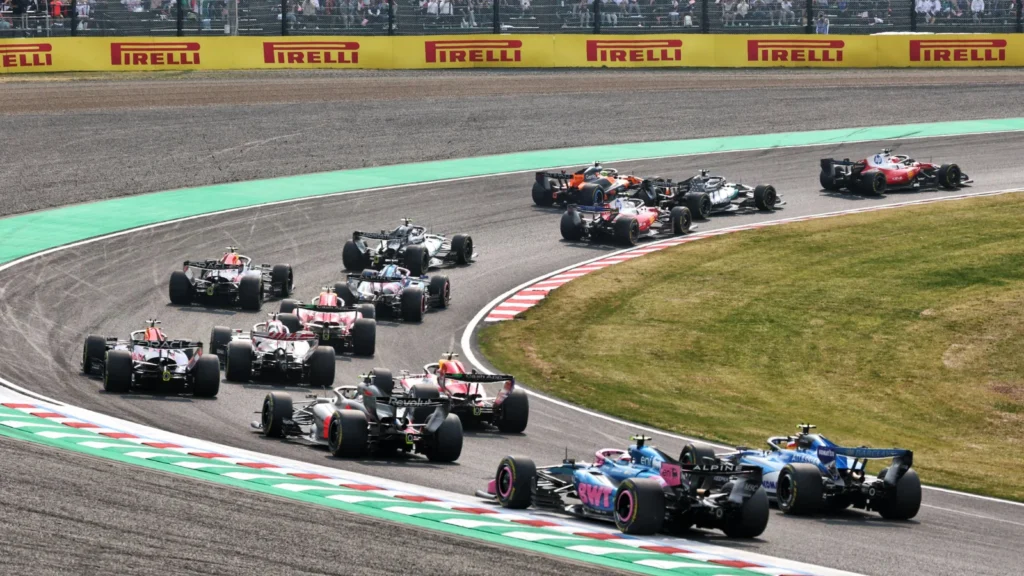
F1 social media impact
The impact has been enormous. Online conversations spike with every key moment on the track, while drivers command audiences that rival those of global celebrities. They are public figures, content creators, and ambassadors of the sport, if they want to be or not.
This level of access has strengthened the bond between fans and Formula 1. It has made the sport more relatable, more human, and more emotionally engaging than ever before.
But there is a flipside to that accessibility.
The same platforms that connect fans to the sport also provide a space where emotions can spiral out of control.
Passion has always been a defining feature of Formula 1. Fierce loyalty, heated rivalries, and opinionated discussions are part of what makes the championship so compelling. Yet in the digital era, those emotions can quickly escalate into hostility.
Recent seasons have seen a noticeable increase in online abuse directed at individuals across the sport. Drivers, broadcasters, and journalists have all found themselves targeted, often over incidents that are part and parcel of racing.
What might once have been a heated debate among fans has, in some cases, turned into personal attacks. The distance created by screens can strip away the sense of accountability that exists in face-to-face interactions.
The consequences are significant. Some drivers have spoken about the mental strain caused by constant negativity. Others have chosen to distance themselves entirely from social media, limiting interaction with the very fans they aim to connect with.
The danger is not just the harm caused to individuals, but the broader effect on the sport’s culture. When participants feel the need to filter themselves or withdraw, F1 risks losing the authenticity that has helped fuel its recent growth.

A growing problem of abuse
This growing tension was brought into sharp focus following the Japanese GP, where Alpine found itself responding not only to an on-track incident but to the online reaction that followed.
After a high-speed crash involving Franco Colapinto and Ollie Bearman, speculation quickly spread across social media. Among the more extreme claims were suggestions that Alpine had deliberately compromised its own driver, an accusation the team firmly rejected.
In a detailed statement addressed to fans, Alpine moved to clarify the situation. The team reiterated that both of its drivers are given equal opportunities and that any differences in equipment are purely logistical, not intentional. It also emphasised that the idea of sabotage was entirely unfounded.
Alpine used the moment to address the broader issue of online behaviour, condemning the abuse directed at its driver and others within the paddock. It reinforced the idea that while disagreement is inevitable in a competitive sport, it should never cross into hostility or personal attacks.
By speaking out, Alpine highlighted a wider problem facing the sport; one that extends beyond any single team or incident. It also underscored the importance of transparency in countering misinformation, which can spread rapidly in a digital environment.
F1’s rise as a global entertainment brand has been driven largely by its ability to tell compelling stories.
Rivalries, comebacks, and behind-the-scenes drama have become central to how the sport engages its audience. These narratives make races more meaningful, giving fans emotional investment that goes beyond the result itself.
This approach has been hugely successful in attracting new audiences and broadening the sport’s appeal. It has helped attract younger viewers and increased diversity among fans, reshaping Formula 1’s demographic profile.
Yet storytelling also simplifies reality. Complex situations are often reduced to clear-cut narratives. There are heroes and villains, right and wrong. While this makes for engaging content, it can also intensify fan reactions. When events on track don’t align with a fan’s preferred narrative, frustration can quickly build.
Social media accelerates this process. A single post can spark widespread debate, and in some cases, misinformation can take hold before accurate information becomes available.
The result is an environment where speculation can feel like fact, and where individuals can become targets based on incomplete or incorrect narratives.

Narratives beginning to blur F1 facts?
There is no question that passion is at the core of Formula 1. It is what drives the sport forward, what creates unforgettable moments, and what connects fans across the world.
But passion without control can become destructive. Frustration is part of being a fan. Disagreements over incidents, penalties, or performances are inevitable. They are, in many ways, essential to the experience. But there is a line, and crossing it helps no one.
Drivers are human beings. They operate under immense pressure, making split-second decisions in some of the most demanding conditions in sport. They will get things wrong. That is part of racing. The same applies to journalists and commentators. Their role is to question, analyse, and interpret, not to exist in fear of backlash.
Social media has given fans a powerful voice, but with that comes responsibility. The shield of anonymity can make it easy to forget that real people are on the receiving end of every comment.
Constructive discussion should always be encouraged. Criticism has its place. But it must remain respectful There is also a collective responsibility to challenge the culture that allows toxic behaviour to thrive. Ignoring it or accepting it as part of modern fandom only reinforces the problem.
If the loudest voices in the room are those spreading negativity, then the character of the sport begins to change, and not for the better. Formula 1’s digital success story is undeniable. The sport has embraced innovation, adapted to changing media habits, and built a global presence that continues to expand.
But growth brings new challenges. Maintaining a healthy online environment is now just as important as delivering a competitive product on track. Teams, governing bodies, and platforms all play a role in setting standards and encouraging positive engagement.
Equally, fans must recognise the influence they hold. Every comment, every post, every interaction contributes to the culture of the sport. The goal is not to remove emotion from Formula 1, far from it. Emotion is what makes it special. The challenge is to ensure that emotion enhances the experience rather than detracts from it.
F1 has entered an era in which its story is written as much online as on the circuit. Social media has brought the sport closer to its fans, created new opportunities for engagement, and played a key role in its global expansion. It has turned moments into movements and drivers into icons.
But it has also exposed a need for greater awareness and accountability. Alpine’s recent stance is a reminder that the sport cannot ignore the darker side of its digital presence. Addressing these issues is not about limiting fans, but about protecting the integrity of the sport and the people within it.
F1 has always been about pushing limits. Now, it must ensure that in the digital space, those limits are defined not just by innovation, but by respect.







Discussion about this post