
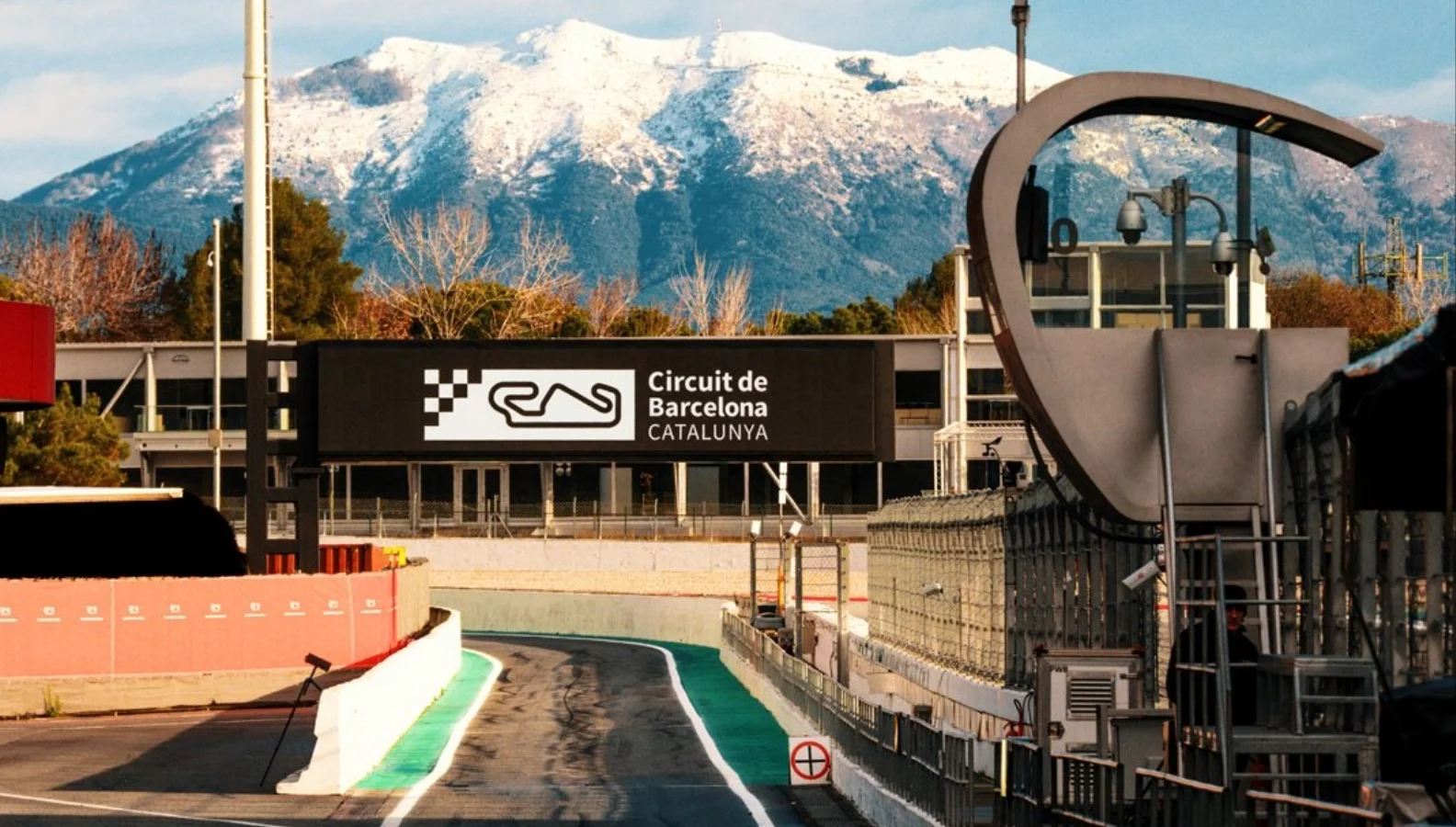
A test kept away from the prying eyes of the public, the Formula 1 Barcelona shakedown teased much, but revealed little in a week that will have repercussions in Bahrain.
After a week of testing, F1 teams are now analysing data from the Barcelona shakedown, preparing to head to the first official test at the Bahrain International Circuit. The closed nature of the test and the different programmes on track prevents any competitive order from emerging, with guesswork being the order of the day.
Coupled with the teams’ determination to keep fans and the media in blissful ignorance despite stoppages, the goal of keeping people in the dark was very much met. But the execution was one-dimensional. The shakedown as a whole resembled the classic anecdotal image of a policeman standing over a body while casually saying, “ok people, there’s nothing to see here”, to a crowd that can not only see the body but is photographing it.
We all knew the test (sorry, shakedown) was happening, and everyone with an eye on it knew breakdowns were occurring. Yet acknowledging these was mysteriously missing from some of the daily videos rounding up the teams’ day. PR is important for F1 in today’s world of Drive to Survive, but this blackout won the F1 teams no fans.

The reasoning for this format will likely never be made public, but the teams clearly feared cars breaking down. This fear was wholly unjustified. Scraping away the layer of PR induced quotes from drivers and team personnel, there are clear stories that emerged under the Spanish winter sun.
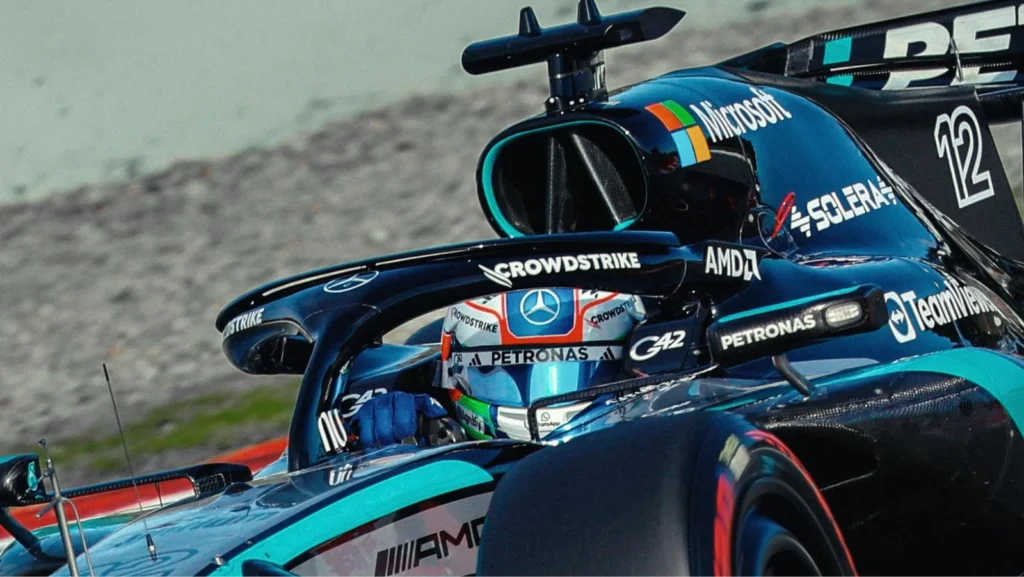
Mercedes steal a march on F1 rivals
Making a statement by being the first team to take to the track, Mercedes has come out all guns blazing in 2026. Eager to reclaim the mantle of F1’s best team, the Silver Arrows had one focus in Barcelona: mileage, and substantial amounts of it.
The writing was already on the wall after an understated filming day at Silverstone. While rivals like Ferrari only used theirs to put in a handful of laps (including a questionable breakdown for Hamilton after just one lap), Mercedes pumped in the long distances immediately. Filming days are limited to just 200 kilometres, and the Silver Arrows covered it all.
Coupled with clocking in a staggering 502 laps across its three days on track, 2.3 kilometres, and countless race distances in Barcelona, Mercedes has proven categorically that it has bullet poof reliability, its new power unit dependable. Overall, raw power and pace remain a mystery, but setting the second-fastest lap of the week despite not running on Friday is a positive step.
What is telling, however, is the body language of George Russell and Kimi Antonelli. Both were relaxed and looked at one with the W17, calling the week positive. Far from a PR enforced line, drivers clearly meant what they said.
The new technical regulations are a marked departure from the ground-effect cars that Mercedes failed to master, and the W17 is showing promising pace. While it cannot be called the tea to beat at this stage, it certainly heads to Bahrain as the frontrunner.
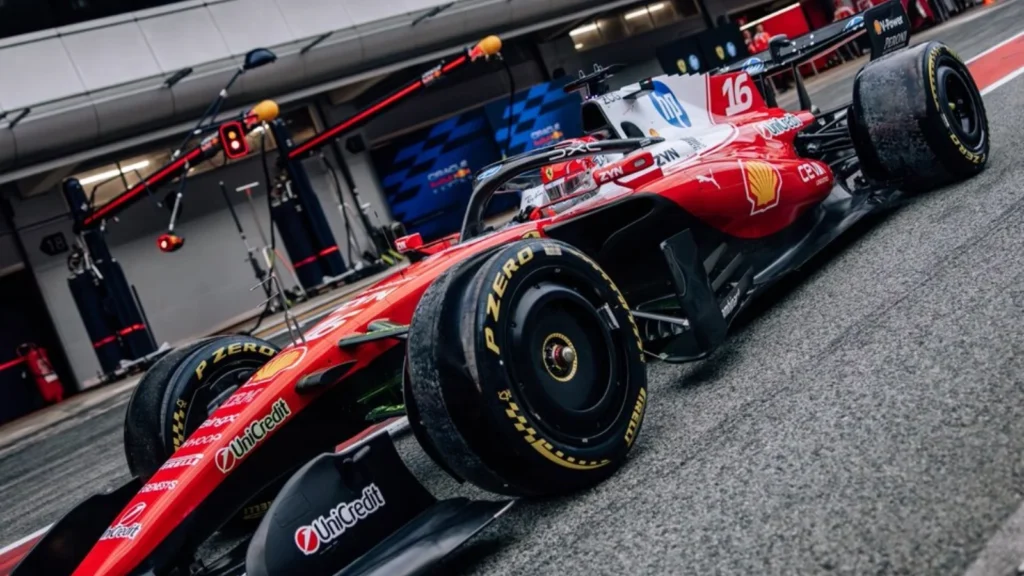
Ferrari recover from a whimper to start 2026 strong
The Hamilton incident at Fiorano was far from a solid start to 2026 for Ferrari. Explanations are varied depending on who is giving it, but it is now widely thought that the new SF-26 broke down on its opening lap at Ferrari’s private test track.
The memes of likening the famous red cars to tractors are all over social media, a harsh comparison. Barcelona needed an urgent reset to stop the flow of the terrible prophecy of a repeat year of malaise.
Ferrari answered this emphatically at the shakedown. While not quite reaching the heights of Mercedes, the Scuderia still managed a highly respectable 435 laps across its three days of testing.
The SF-26 in Barcelona was a basic A-spec car, with the more detailed upgrades not likely to be seen before the season opener in Australia. The choice to continue down the same philosophy of cooling and air flow could pay off.
Solid reliability for both Ferrari and its customer teams means focus on pace can now be the priority in Bahrain. Hamilton and team-mate Charles Leclerc both have confidence in the new car, a welcome change from 12 months ago. It is too early for the Tifosi to get excited, but the Bahrain test will be interesting. Ferrari could be about to pull off a spectacular sporting comeback.
Knowing looks at Aston Martin
Few things in life match up to the hype of an Adrian Newey-designed car at the start of a new regulation cycle. The wait for your first taste of a Big Mac burger after a prolonged, extended diet is the closest comparison. It is the anticipation that makes it special, and you can see it being created for you.
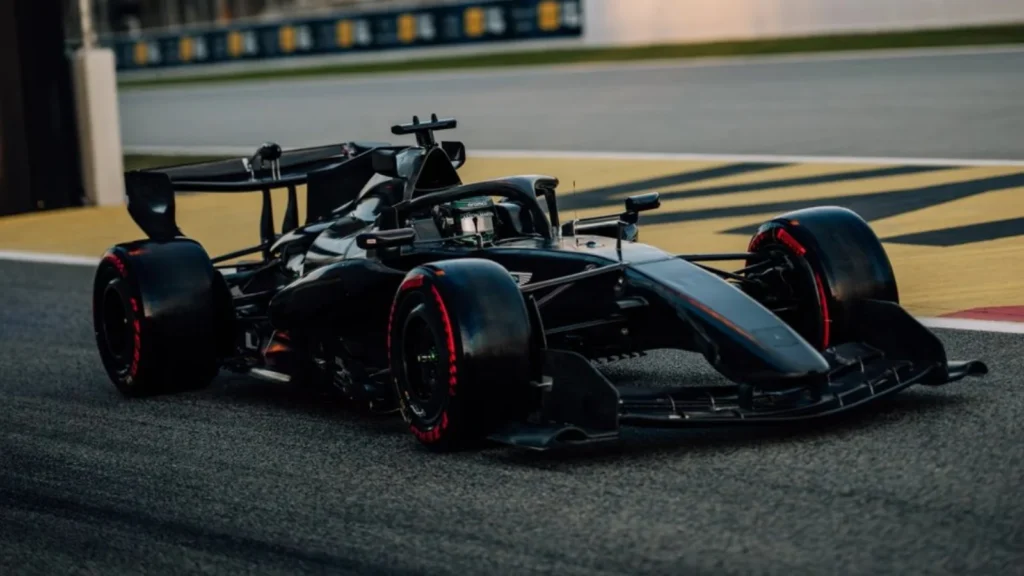
The paddock was in a similar position in Barcelona. Made to wait an agonising four days to see Aston Martin’s first Newey-designed car, the big reveal did not disappoint, and Aston Martin knew it.
This car is aggressive and yet beautiful at the same time, hallmarks of F1’s design genius mark in the sport. Those who watched F1 in the mid 2000’s will remember the iconic McLaren MP-20 (another Newey design), and can see that DNA in the AMR26. Wider than its rivals, and featuring pillars connecting the different parts, it is vastly different from any of its rivals.
A high rake and sweeping sidepods indicate the new Honda power unit requires significant cooling. The slim sidepods allow for increased air flow over the sweeping curves. While not quite as extreme as the size-zero concept from Mercedes in 2022, Newey appears to have improved on this design.
While Aston Martin completed the fewest laps of all the teams at Barcelona, clocking up just 65 laps, the garage appeared incredibly relaxed. Smiles beamed across owner Lawrence Stroll’s face and those of his drivers and mechanics. This begs the question: what do they know that we don’t?
F1″Sustainable” fuel use in short supply in Barcelona
For the final, utterly ridiculous component to make the Barcelona shakedown one of the most bizarre episodes in history, a rumour has slipped out of the circuit that casts further doubt over its relevance.
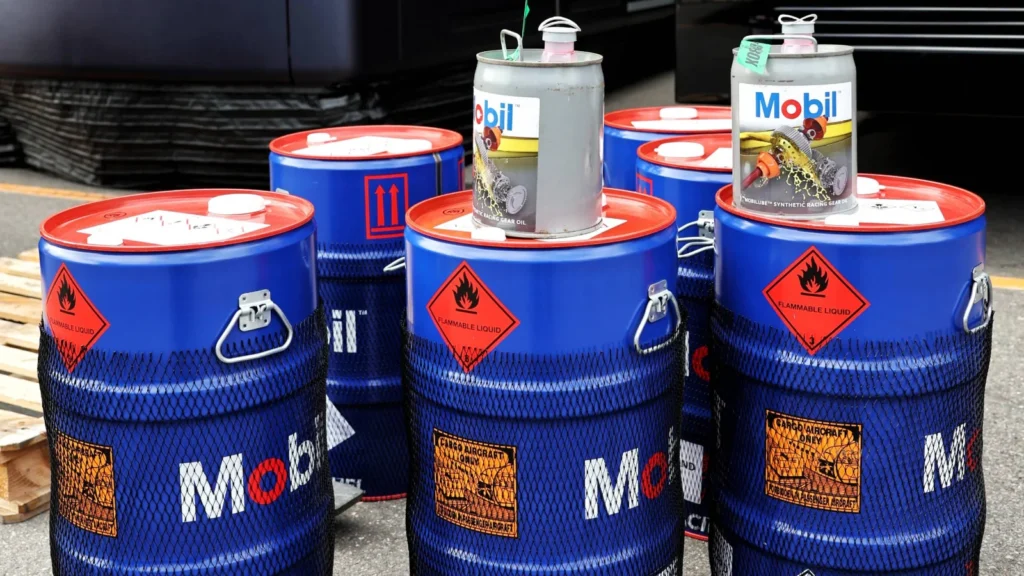
For 2026, teams will be required to run sustainable fuels as the sport chases its net-zero target. The shakedown test, on paper, should have been the first time the teams ran this. A vital component in this year’s regulations, we need to get accustomed to integrating this into the new power units.
Instead, the FIA did not mandate its usage in Barcelona. While this does not annul the running of the teams in Barcelona, questions are being raised as to why this decision was taken at the first running of the cars.
So now, we have no idea who used what fuel. Some teams may have used it during the shakedown, but this information will not be made public. Instead, teams will be required to run the fuel in Bahrain.
All in all, Barcelona teased much and revealed little, the standard practice for any F1 pre-season test. Perhaps now, the teams realise that attempting to enforce a narrative is not such a good idea.
READ MORE: Awestruck Fernando Alonso details influence of ‘teacher’ Adrian Newey




Discussion about this post