
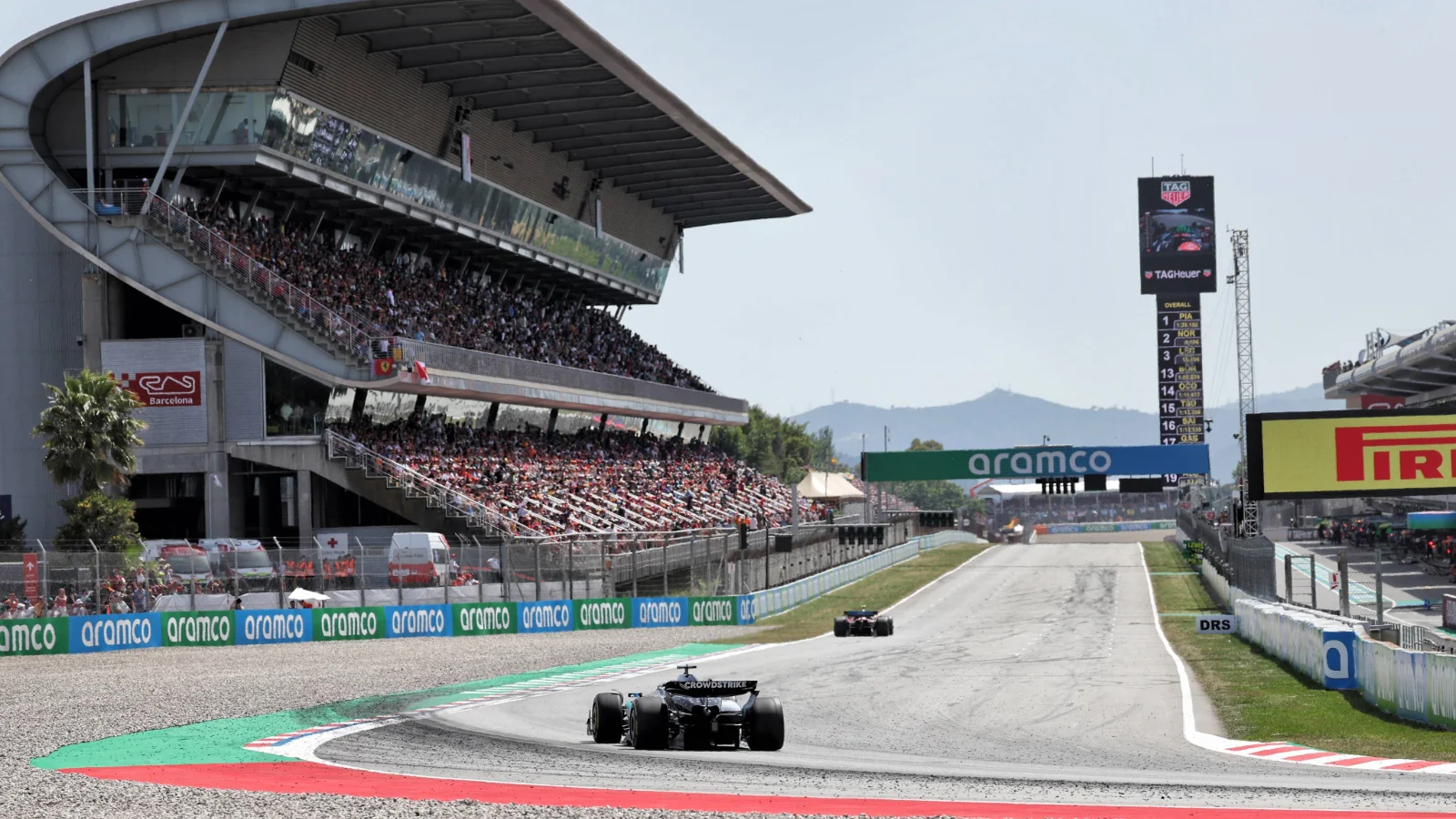
The news that Barcelona will have its test coverage limited threatens F1, adopting the corporate image of “we only see what you want us to see”, risking fan alienation.
Formula 1 testing by its nature can be testing. Unfamiliar cars for both team and driver taking to the track are the first step in forging what will become a very intimate relationship over the year.
The car itself has a part to play. Its whims, quirks and unique characteristics will make it a colleague that either becomes a part of your success, or one that you hope has an unfortunate, humiliating accident involving the photocopier mysteriously falling on them.
First impressions are critical. A driver knows within the first five laps of testing a new car if they are in for a good year or a write-off. One can only imagine the understandable terror they must feel.
The entire season hinges on the first impressions of a machine that they will drive across 24 gruelling races. Imagine yourself getting a new car, only to discover the steering wheel is made of papier-mache consisting of your contract to buy it. Worse still, it’s on finance, and the cool-off period has gone. So now you are stuck driving a car that handles literally like the piece of paper you bought it with. An F1 driver with a bad car feels these emotions after only a few laps.
But testing rarely goes this way in the modern era. Teams focus on bulletproof reliability and spend hours, days even, testing their new cars on state-of-the-art simulators ahead of that first shakedown. This makes the Barcelona test blackout and restrictions placed on the first Bahrain test all the more surprising.
F1 suffering PTSD from 2014?
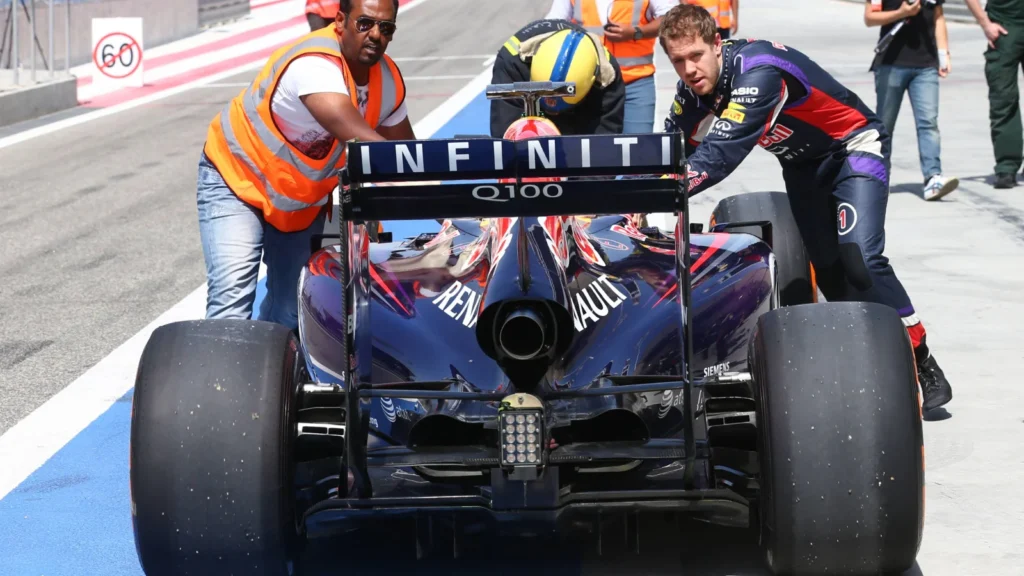
The last time brand-new engines were introduced to F1 was back in 2014, when the sport transitioned to the previous iteration of the 1.6-litre turbo V6 hybrids. It was a baptism of fire for those running Ferrari and, in particular, Renault power.
The complexity of the new power units kept many teams locked behind garage doors for hours during the tests, with Red Bull and Lotus (now Alpine) affected the most. Gone were the spectacular engine failures of old, replaced instead by cars grinding to a halt with sickening crunch sounds coming from their engine covers.
At least with an old engine failure, it was easy to understand where the issue lay. Smoke and flames indicated the gearbox, or a part of the engine, had gone kaput. In 2014, a failure could have been caused by the Motor Kinetic Unit Heat, Motor Kinetic Unit Kinetic, the list goes on.
Understanding the immensely complex power units is what kept the teams stuck in garages, very much a colleague that teams exasperated over due to their inability to fulfil a basic task: to run normally on track.
The result was a 26 per cent decrease in overall testing mileage, a disaster for TV audiences tuning in. Instead of seeing cars lapping the circuit, they were treated to reporters wandering up and down the pit lane, speculating about when the cars would return.
This painful memory has triggered some sort of PTSD for F1, feeling compelled to act ahead of the next generation of power units taking to the track for the first time. The decision to limit testing coverage has been widely condemned by media and fans.
Explanation for this move has not been forthcoming. The sport has clearly taken the view that a loss in commercial holdings from test coverage is a price worth paying vs the potential embarrassment of its much vaunted new cars breaking down.
A flaw in a flawed plan
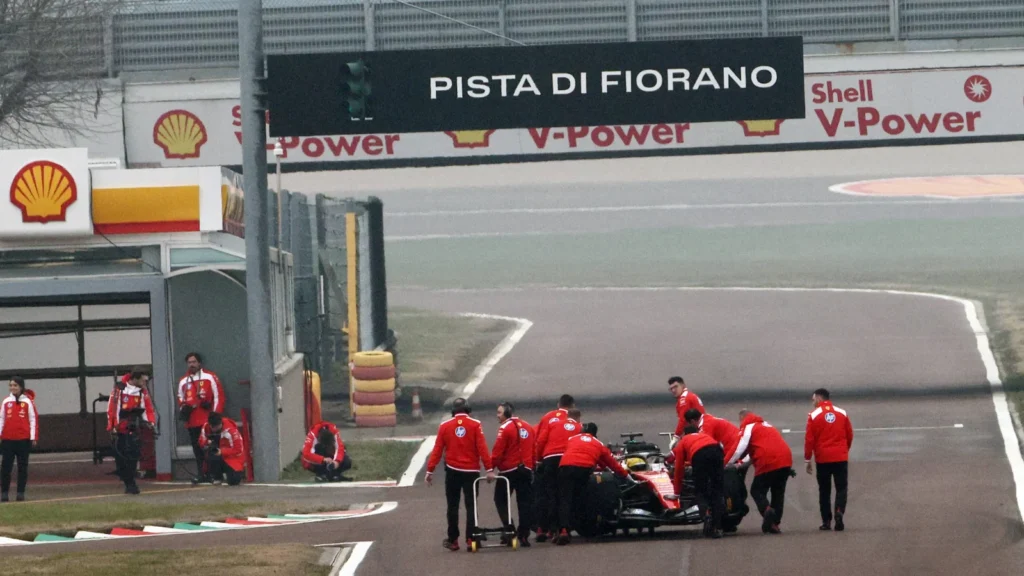
F1 seems to believe that by restricting the test coverage, any issues with the engine regulations or the new active aerodynamics technology will mysteriously go away. Needless to say, this plan does have a slight flaw in it.
If the issues are extreme, and cars frequently break down in Barcelona, a week will not be sufficient to fix any substantial issues. Perhaps this is why the first test in Bahrain will now see its TV coverage also curtailed.
Testing TV rights are still relatively new in F1. In the UK, testing was not broadcast until 2012, as the sport entered the final years of the V8 era, during which it enjoyed bulletproof reliability. This made broadcasting survivable, if a bit dull in its early iterations, as the sport found its feet in this new world.
But the introduction of Drive to Survive placed even more eyes on all aspects of F1, including testing. Never before has the sport been under such scrutiny for every decision, every car upgrade, and, crucially, every aspect of a car being examined during testing. A repeat of the 2014 regulations testing disaster is not in F1’s best interests, given its current immense popularity. But it is now in a lose-lose situation.
Allow the TV cameras in both tests, and F1 risks ridicule for creating unreliable new cars that damage its reputation. However, attempting to control the narrative and restrict testing coverage, and the sport risks a more dangerous approach.
Fans do not want to be told a select narrative from testing. To be told the sun is shining brightly outside while being able to see lashing rain hitting the window and thunder rumbles overhead is pointless, a situation that F1 now finds itself in.
The take from F1 fans on the Barcelona test being completely closed off, including all written and broadcast media, is that it fears a worst-case scenario. It is an extreme measure, and fans will be alienated by the move. Limiting coverage of the first Bahrain test only compounds this.
Early warning signs – but trials are part of F1
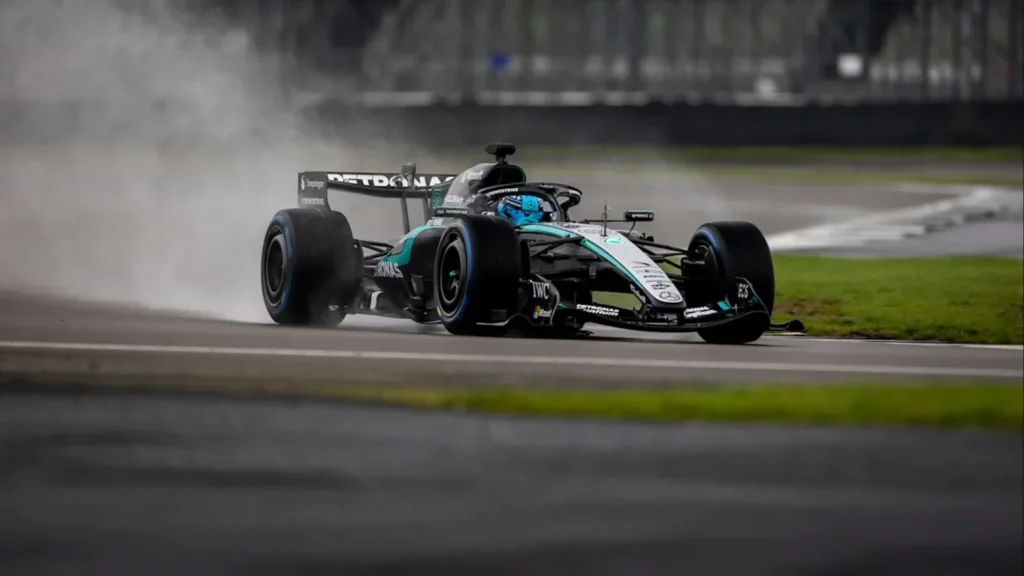
But it seems these concerns are not without merit. Six teams so far have announced they plan to limit their running at Barcelona. One of these teams, Williams, will miss the test entirely. The warning signs are already flashing. Reigning champions McLaren will miss one day of the test, though the team says this is planned.
F1 is the pinnacle of motorsport. It is the extreme end of technological prowess and experimentation. Like all experiments, sometimes there are bumps in the road. Fans watch F1 for the racing and the cutting-edge technology on display.
Had the sport publicly said it envisaged a challenging start to pre-season testing due to the new regulations, fans and media would have understood, and expectations could have been watered down.
Instead, it has chosen to put up a wall of secrecy to try to hide any embarrassment. Discussions continue in the background over a Plan B in case the cars are a disaster. F1 has, by its own doing, created the worst narrative possible for its new cars.
It seems that, on first impressions alone, this car is the worst type of new colleague imaginable – poor at their assigned task and unable to run on time, or in some cases at all. Let us hope this is a case of getting off on the wrong foot.
READ MORE: Pirelli release F1 team tyre choices for closed Barcelona test




Discussion about this post