
Formula 1’s 2026 regulations effectively closed the door on a return to V8 or V10 engines, prompting discussion for a new series, incorporating modern technology, with the beloved engines. Enter HybridV10.
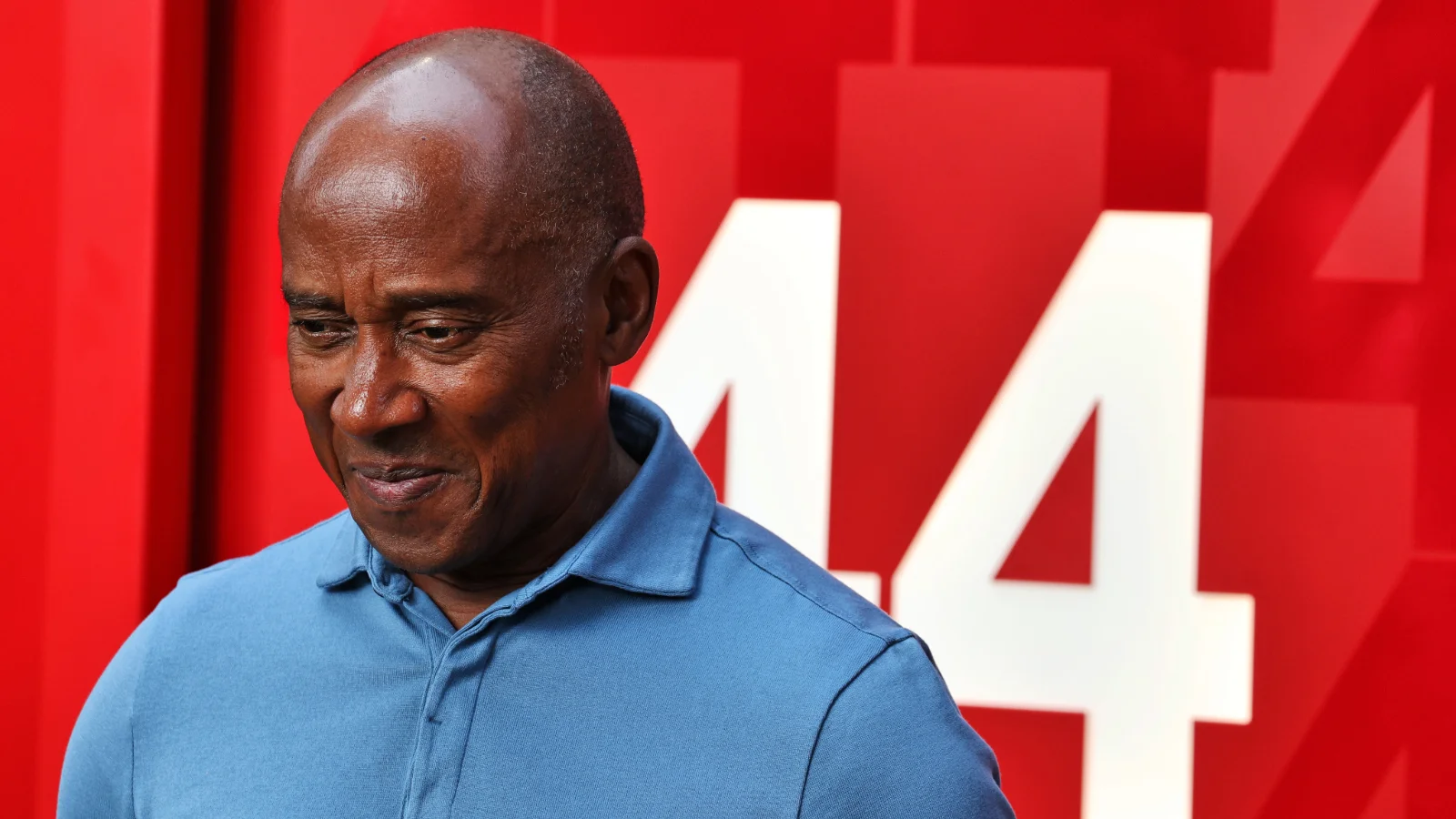
Created by Anthony Hamilton, father of seven-time F1 champion Lewis Hamilton, HybridV10 is a global single-seater competition designed to run alongside existing championships, not as a junior feeder series. Quietly developed over the past year, the project went public through a minimalist online launch with the slogan: “Real Racing, real talent, real skill and proper sound.”
The online launch was just the start. With investor backing already secured, the series moves into the next stage of planning, focusing on building a competition that delivers what many fans believe modern racing has lost, all while maintaining the modern sustainability and technological advancements seen in series like F1.

What is HybridV10?
HybridV10 is designed as a two-tier single-seater racing platform, built around simplified technology and fan-favourite V8 and 10 engines.
The championship will feature two headline categories. A supporting series will use hybrid V8-powered cars, as the title category centres on naturally aspirated hybrid V10 engines, aiming to deliver the sound and spectacle associated with top-level single-seater racing in the late 90s to the mid-2000s.
Both series will feature a 24-team grid, with each team having a single entry to each category.
Mainly ensuring cost control, reliability and competitiveness remain in the series.
For Anthony Hamilton, Father of seven-time world champion Lewis Hamilton, the philosophy behind the technical regulations is to reduce complexity, allowing drivers to showcase their unique talents and abilities, which are often hindered in series such as F1.

“My intention is to strip away complexity and put the focus back on the driver,” Hamilton emphasised.
“That means no artificial performance management, just real racing. Ultimately, I want pure, authentic racing focused on driver talent.”
Despite the engine being the centre of the project, the hybrid nature of the series remains critical, as it blends the nostalgia of V8/10s with the modernity of motorsport today.
With this, there are a number of hybrid concepts that are still under evaluation for the series. They include simplified energy recovery systems and rapid-energy pitstops, designed to introduce strategic variation without forcing drivers into excessive energy management.
Driver pool and pathways
Unlike other series, which are viewed as junior categories to get to F1, HybridV10 is intended to operate alongside existing championships.
The series has committed to employing salaried professional drivers and does not intend to rely on pay drivers, ultimately offering drivers an alternative high-level single-seater platform outside of F1.
To compete in the series, drivers must be eligible for a ‘Hybrid Super Licence.’ Issued by the Hybrid World Commission, an independent governing and integrity body.
Eligibility will be based on competitive results in professional championships, alongside performance metrics such as simulator data, technical understanding, physical fitness and professional conduct.
To manage seat allocation, Hamilton has created a Motorsport Draft League. The draft will showcase emerging global motorsport talent and ensure no promising driver misses their chance at a Motorsport dream. Eligible drivers must be at least 20 years old and have a proven track record in recognised motorsport series.
The system allows drivers for drivers from different disciplines to compete against each other.
Alongside these headline categories, HybridV10 plans to invest in emerging talent through a ‘Sim-to-Seat’ pathway. This programme is designed to provide opportunities for drivers without access to growing racing budgets. All while encouraging participants to remain in full-time education, setting them up for a potential future outside Motorsport.
Calendar and next steps
The current proposed calendar includes 12 events per year. Importantly, the calendar will be scheduled to avoid clashes with any major championship, such as F1, IndyCar, etc.
Whilst still in early stages of planning, HybridV10 are reportedly targeting FIA Grade 1-standard venues. Namely, fan-favourite tracks not featured on the current F1 calendar, such as Sepang, Mugello and Kyalami.
The championship aims to follow a geographically efficient calendar model, referred to as the ‘Eco Loop’, travelling in a single global direction to reduce freight emissions and logistical waste. Their ideal travel loop would be the Middle East, Asia, Europe, Africa, the Americas, and finishing off in Australia.
HybridV10 remains in its development phase. The next steps include securing teams, manufacturers, universities and technical partners. If progress continues through 2026, detailed car design could begin later that year, followed by testing in 2027 and a potential launch season in 2028 or 2029.
However, Hamilton has emphasised a crucial part of he project being fan engagement. Thus, rallying fan support and a loyal global fan base will be central to HybridV10’s success plan in the coming years.
“I could have attempted to keep this quiet for the next two years, then announced it,” Hamilton said.
“But what matters most to me is making sure this is something the fans truly want to follow. If they subscribe to what we are doing and are interested from the beginning, then we will make it happen together.”
READ MORE – The potential legal loophole stalling the alleged Christian Horner Alpine F1 takeover




Discussion about this post