On any given race weekend now, the action extends far beyond the pit lane. It plays out on phones, trading screens, and live data terminals that sit behind modern sponsorship deals. High speed competition has become a powerful engine for betting operators seeking global audiences, rich statistics, and nonstop live moments.
What started as a few logos on cars has evolved into a layered commercial system built on timing data, telemetry, and second screen engagement. Series, teams, and broadcasters are reassessing how they price rights, where growth comes from, and how to manage political and social risk. The result is a new grid economy that is still taking shape.
How gambling entered motorsport’s commercial mix
Two decades ago, betting’s presence in racing was mostly visual. A logo on a rear wing, a trackside banner, or a hospitality suite aimed at VIP clients. Value was measured in exposure rather than interaction. The rise of mobile wagering changed that equation by turning races into live, data rich products.

Today, operators want more than branding. They seek official feeds, co-branded digital activations, and access to audiences that follow entire seasons. Fans who watch lap charts and pit strategies closely are also the ones most likely to engage with trusted casino websites, especially when live markets mirror what is happening on track in real time.
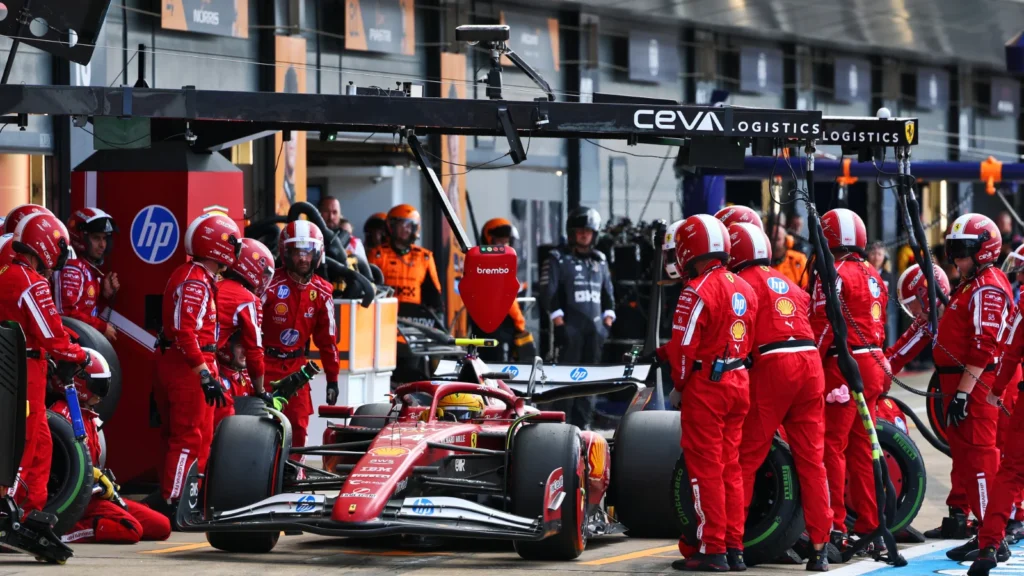
Regulation as a catalyst
Regulatory shifts accelerated this integration. Liberal licensing across parts of Europe normalized online wagering years ago. The 2018 US Supreme Court decision that allowed states to legalize sports betting added fuel, drawing racing properties into a fast-growing American market. At the same time, tightening rules around advertising and youth exposure are pushing deals to become more sophisticated and less reliant on simple visibility.
Where the money flows on the modern grid
Betting has added to the already vast flows of money via sponsorships and betting that fill the teams’ coffers, so it holds that betting has changed the way that money has flowed onto the modern race grid.
Sponsorship and team partnerships
Betting partnerships now rival traditional technology and consumer brands in value. Deals bundle branding, content rights, data access, and hospitality into integrated packages designed to convert viewers into active users. For teams operating under cost controls, this funding can be decisive, but it also increases reliance on a politically sensitive category.
Media rights and official data
Beyond logos sits a valuable layer of data. Timing, GPS traces, and tire information are licensed to power live odds and micro markets. Broadcasters integrate prices and interactive widgets into coverage, while rights holders monetize the same data across multiple channels. This diversification reduces dependence on linear television alone.
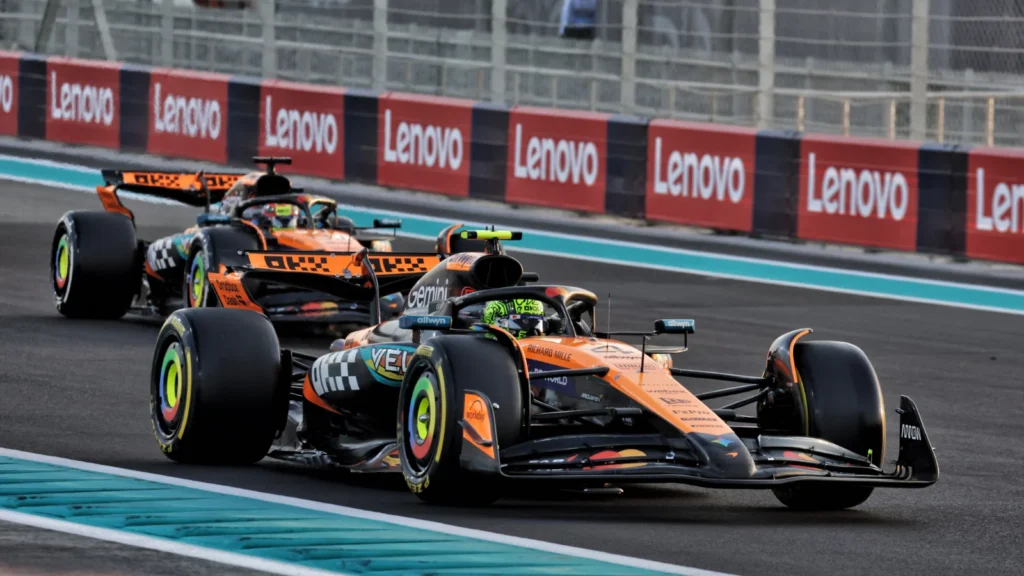
Fan engagement at the track
On site, betting brands activate through fan zones, prediction games, and app-based experiences. QR codes and leaderboards link the physical event to digital platforms, keeping spectators engaged through every stint and safety car period. The goal is longer attention and higher commercial value across the weekend.
Technology powering the betting ecosystem
Just as modern motorsport racing has progressed with the aid of technology, so has the world of motorsport betting and gaming.
Real time telemetry and micro markets
Modern race cars generate vast streams of data. For operators, this enables markets on pit stop timing, safety car probability, and head-to-head sector performance. Low latency systems and secure pipelines are essential, as delays or errors can force markets to halt.
Second screen experiences
Fans increasingly watch races with a phone in hand. Apps combine live video, timing graphics, and personalized offers. Gamified elements such as badges and streaks maintain interest even during quieter phases, while safeguards like frequency caps and responsible play messaging are becoming standard in regulated markets.
Economics reshaped by betting
Fans have shaped some of the economics in motorsport in recent years as betting on the sport has become more mainstream.
Valuations and investment
Recurring data driven income influences how teams and series are valued. Investors look at digital engagement and betting related revenues alongside on track performance. Stability improves forecasts, but policy risk must be priced in as advertising rules evolve.
Diversification beyond broadcast
Betting linked products help offset slower growth in traditional TV rights. Rights holders can package live pictures, data, and interactive features separately, increasing leverage in negotiations and spreading risk across multiple revenue streams.
Risk, regulation, and reputation
Motorsport is more than a century old and so are the rules and regulations that govern it, no sooner had the first race been run, the first rules body was established and became the forerunner of the modern FIA which governs motorsport world-wide.
Integrity and data security
Where money follows outcomes, integrity concerns follow. Monitoring units track unusual betting patterns, while cybersecurity protects sensitive telemetry. Governance around data access and supplier vetting has moved to board level for major organizations.
Duty of care
Racing’s family audience brings scrutiny. Safer play messaging, age checks, and limits are now expected. Long term credibility depends on balancing commercial gain with visible responsibility.
Regional differences across the grid
Motorsport may be a universal language, but variations do occur depending on where you are watching the sport.
Europe and the UK
Mature betting cultures are facing tighter rules on visibility and promotion. Future deals are likely to emphasize data and digital assets over front facing branding.
North America
Rapid legalisation has sparked experimentation, from on-site lounges to broadcast integrations. Growth is strong, but oversight is increasing.
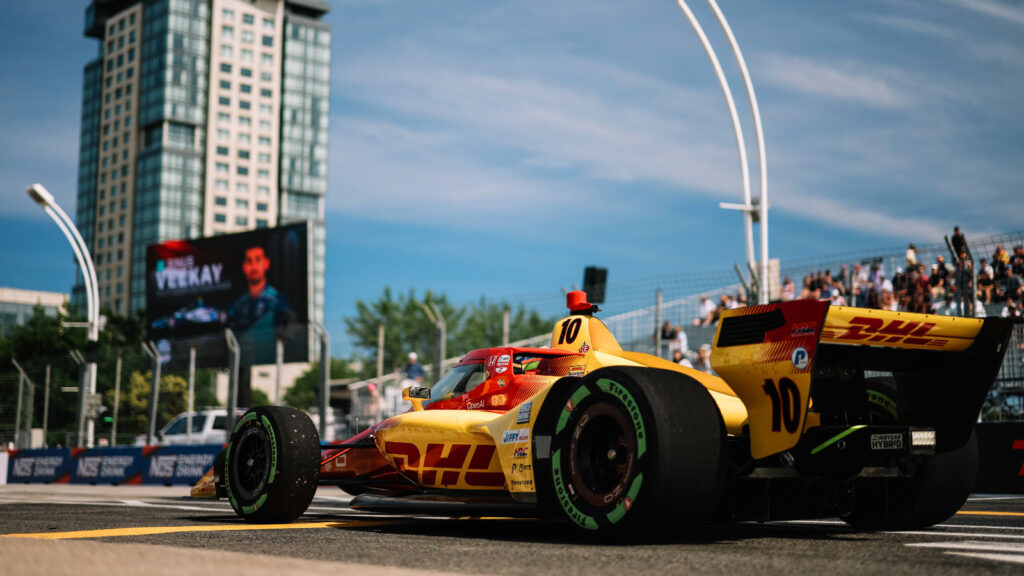
Emerging markets
High smartphone usage and young audiences offer potential, but uneven regulation creates compliance risk. Careful partner selection is critical.
Looking ahead for motorsport’s new grid economy
Teams and rights holders are preparing for mixed regulatory futures, with flexible contracts and diversified income. Broadcasters weigh how much integration audiences will accept without eroding trust.
Innovation with safeguards
The next phase may focus on capped stake products, prediction games, and clearer probability education. Motorsport’s tech savvy fan base makes it a testing ground for safer models.
For ongoing analysis of how these trends intersect with racing calendars, teams, and governance, coverage from motorsport news and industry analysis provides valuable context.
The rise of gambling in motorsport is reshaping the commercial grid. How well the sport balances innovation, revenue, and responsibility will determine whether this economy remains sustainable long after the checkered flag falls.