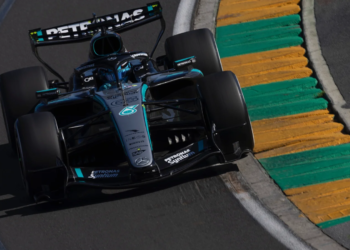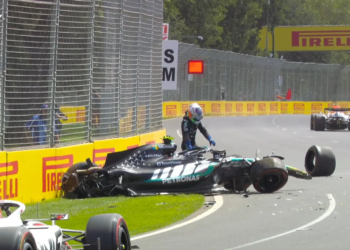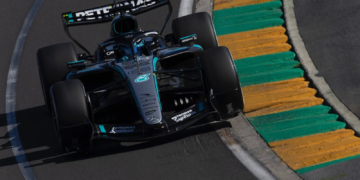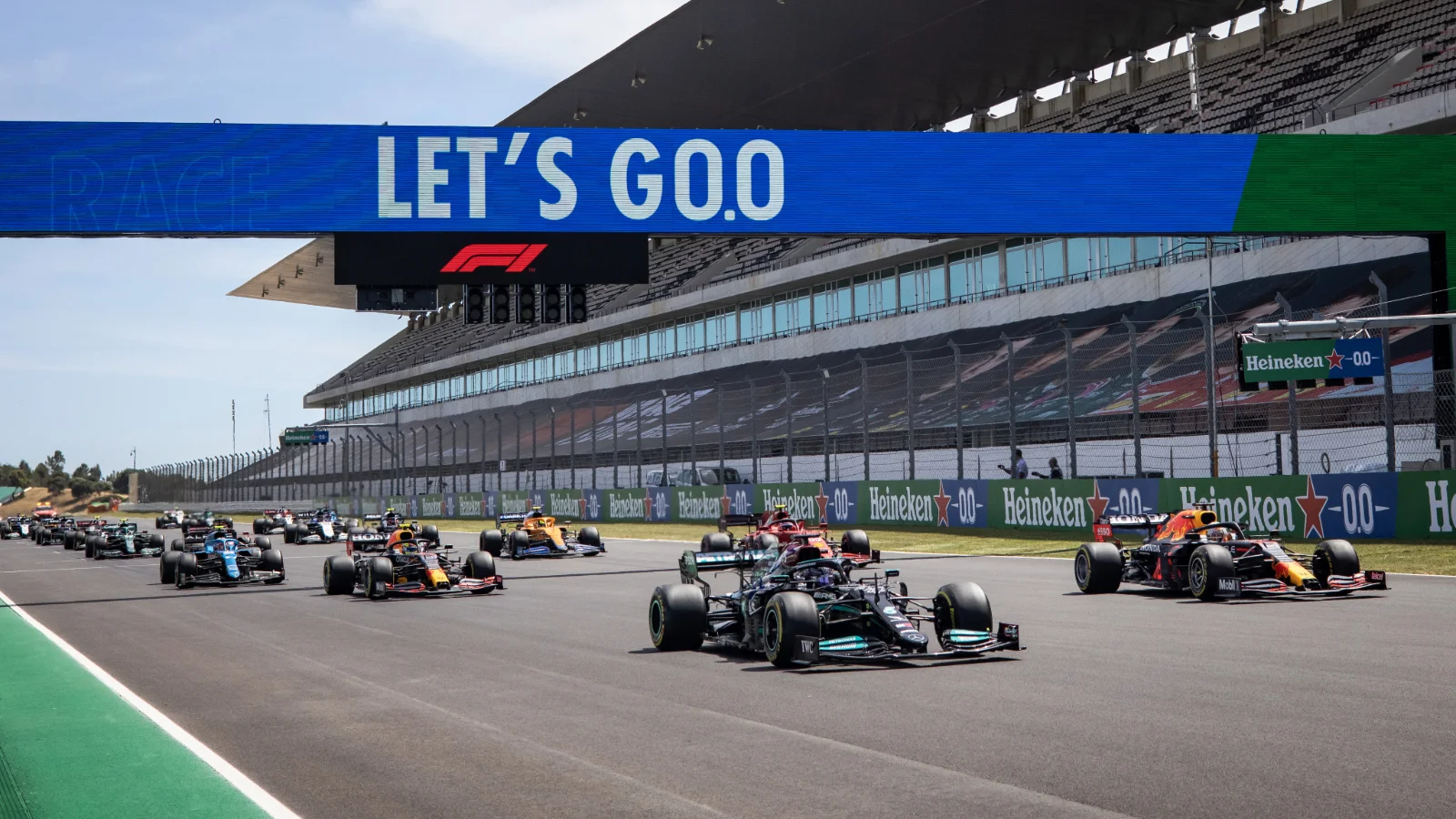
The reason we love racing is not for the flashy starts and the spectacular finishes, though that too. We can talk about tech, engineering, the micro-improvements that gain milliseconds.
But underneath the hood, where the rubber hits the road, we love motorsport because every gearshift, every heartbeat, tells a story. The trill of the chase is a cliché, but behind the cliché lies the personalities, the people, the stories that create the romance of the world of motorsport.
Yeah, it is about the flashy starts but it’s also about how it makes us smile when the engines roar…
Motorsport doesn’t stop for anyone. The seasons blur into each other, the drivers barely have time to breathe, and every race feels like a new test of nerve. Fans watch because of that tension, the high-stakes ballet between precision and chaos.

Whether it’s a last lap overtake or a pit crew shaving off two tenths, every move counts. It’s part of what makes racing feel alive, the constant calculation of risk and reward.
Chasing margins and making luck count
Drivers talk about margins all the time, the thousand little choices that make or break a race weekend. It’s not just about skill; it’s about knowing when to push and when to hold back. And that is an art.
In a sport where milliseconds decide millions, the mental game is as fierce as the physical one. Fans love that sense of control and chance because it mirrors the same mix of calculation and luck found in life itself.
That balance of timing and opportunity extends far beyond the track. Some fans chase that thrill in different ways, like checking out a low-wagering free spin offer for Kiwi player that promises a small dose of excitement without big stakes.
It’s part of a wider culture where people enjoy controlled risk. The key, in motorsport or anywhere else, is keeping it fun and measured. The adrenaline rush feels familiar, short, sharp, and addictive in the best way.
Momentum, mind games, and the making of a racer
When you spend enough time watching the paddock, you start to see patterns repeat. Confidence breeds performance, and a few strong weekends can turn a rookie into a headline act.
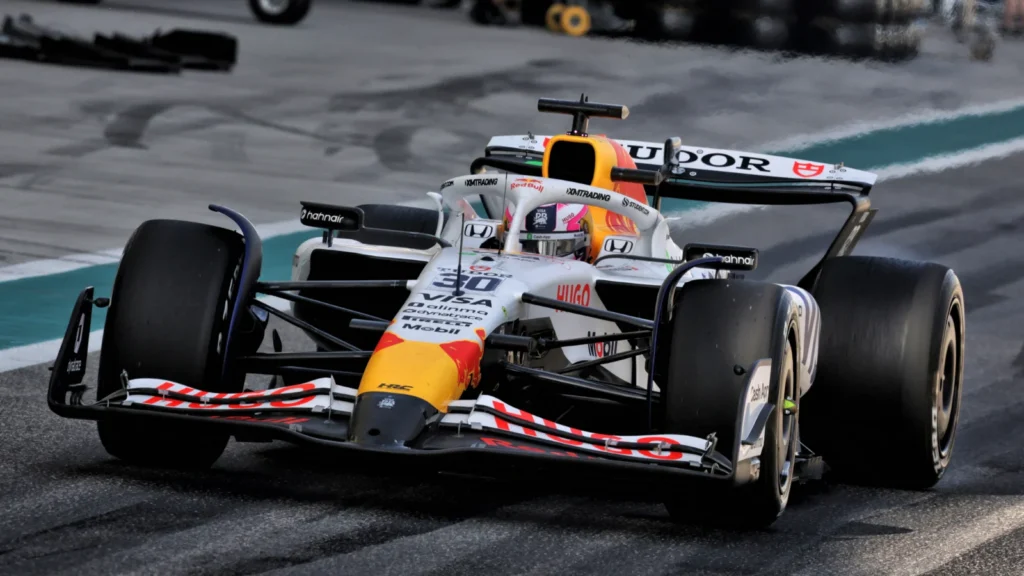
The same thing can unravel just as quickly; one bad race, and the chatter begins. That’s what makes stories like How Hadjar’s momentum could end Tsunoda’s Red Bull dream so gripping. It’s not just about speed; it’s about how belief snowballs.
Hadjar’s rise has been a masterclass in mental fortitude. The young French driver has found a rhythm that turns pressure into pace. Each lap seems to reinforce the next, and suddenly the established names start to look over their shoulders.
Tsunoda, once seen as Red Bull’s fiery future, now faces questions about his long-term seat. It’s the ruthless truth of Formula 1; today’s promise can become tomorrow’s cautionary tale.
Momentum in motorsport is fragile. It’s built on the smallest details: setup tweaks, confidence in braking zones, even body language in the paddock. One weekend you’re the story; the next you’re just part of the background noise.
Numbers behind the noise
Away from the roar of engines, the numbers tell their own story. Motorsport has become one of the most-watched live sports on Earth, and the figures keep climbing. Formula 1 alone attracted more than 1.5 billion cumulative viewers across its 2025 season, with audience growth strongest among younger adults.
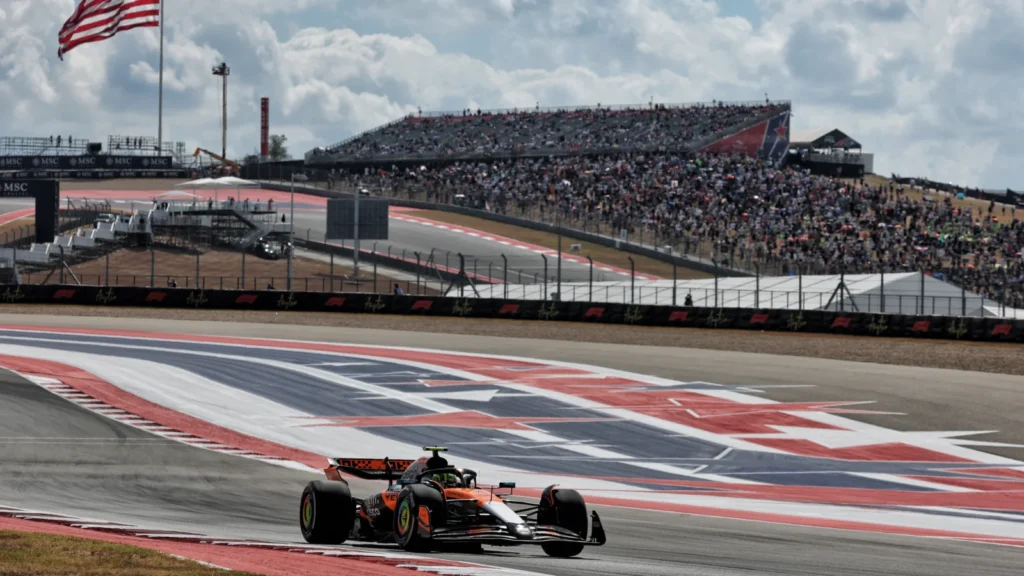
Track attendance too has followed the same curve, driven by events in Melbourne, Miami, Austin, Monaco, Las Vegas, and Silverstone selling out months in advance.
And it’s not just the tracks seeing growth. The wider entertainment market linked to racing, including streaming, merchandise, and interactive engagement, is evolving fast. The global sports betting market, for example, continues to expand in step with motorsport’s popularity, reflecting a shared appetite for real-time thrills.
Analysts expect that market to reach over USD 180 billion within the next few years, fuelled by digital participation and the gamification of fan experience.
Statistics also reveal how much the racing audience values accessibility. Short-form coverage, behind-the-scenes documentaries, and social media storytelling have turned casual viewers into full-season followers.
For many fans, it’s less about watching cars go in circles and more about the narrative that unfolds lap by lap, season by season.
Keeping the engine warm
Every paddock whisper, every late-night strategy call, and every split-second gamble keeps this sport alive. Motorsport runs on courage and curiosity, that stubborn need to see what happens if you push just a little further. It’s why fans keep watching even when they already know the outcome.
Risk and reward aren’t just themes; they’re the heartbeat of racing. From a driver’s daring dive into a corner to a fan’s harmless little flutter on something that might pay off, it all comes down to timing and temperament. There’s beauty in that balance, the art of keeping your foot down without losing control.