

Founded by experienced motorsport engineer Lionel Hansen alongside former Citroen WRC team principal Yves Matton and Prospeed, the project will design, build and homologate a WRC27-specification car ahead of the new regulatory cycle.
Designed to the FIA’s all-new WRC27 regulations – which stipulate a tubular spaceframe safety cell, double wishbone suspension, four-wheel drive and a 1600cc turbocharged engine – the first Project Rally One chassis is complete with prototype assembly underway and the car’s first test set for spring next year.
Project Rally One co-founder, Lionel Hansen, said: “The entry of Project Rally One to the FIA World Rally Championship is a hugely important moment for us. To be the first to present a new car for the WRC’s next era is something we are extremely proud of.
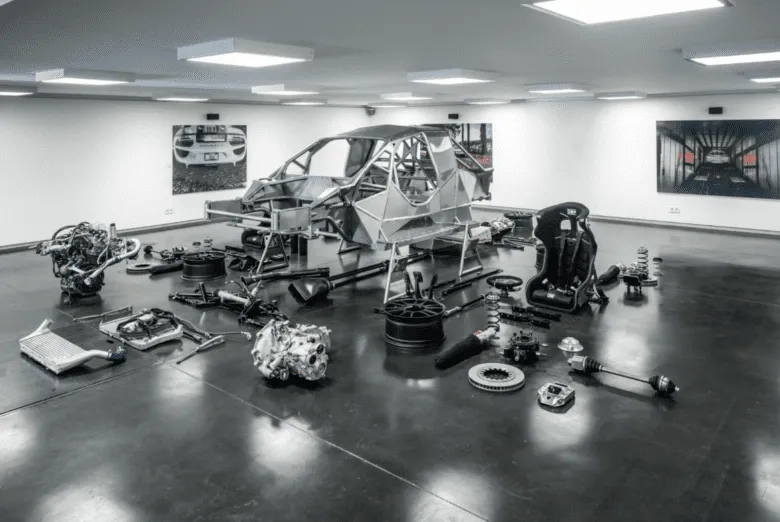
“The introduction of the WRC27 regulations gave us the opportunity to take the step into the championship. The new technical framework creates the right environment for independent projects like ours, allowing us to develop a car from the ground up and compete against manufacturers at the highest level.
RelatedPosts

“The progress we have already made gives us real confidence in the direction we are taking. With the chassis complete and the prototype now in assembly, we are in a strong position as we prepare for the first shakedown this spring and continue development towards the car’s debut.”
“The arrival of Project Rally One is a significant moment for the FIA World Rally Championship,” he said. “It confirms that the move toward a more cost-effective and accessible technical framework is already generating new engagement with the sport. Attracting new entrants is essential for the long-term growth of the WRC, and it is encouraging to see other tuners preparing to compete alongside manufacturers,” said FIA deputy president for sport Malcolm Wilson.
To meet the FIA’s homologation criteria, ten of the new Project Rally One cars will need to be produced within 24 months of the homologation date, while Hansen and Matton must commit two cars to at least 50% of the WRC calendar in its first season of competition and a full two-car season from year two while at least 10 race-ready cars must be commercially available.


Discussion about this post