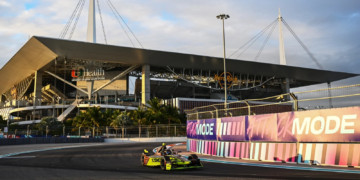
There’s something electric, quite literally, in the air these days. Motorsport is changing fast. Electric racing series are no longer niche experiments.
They’re building serious players. If you’ve been following the shift, you’ll probably agree that the next few years look more exciting for electric racing.
Experimentation to establishment
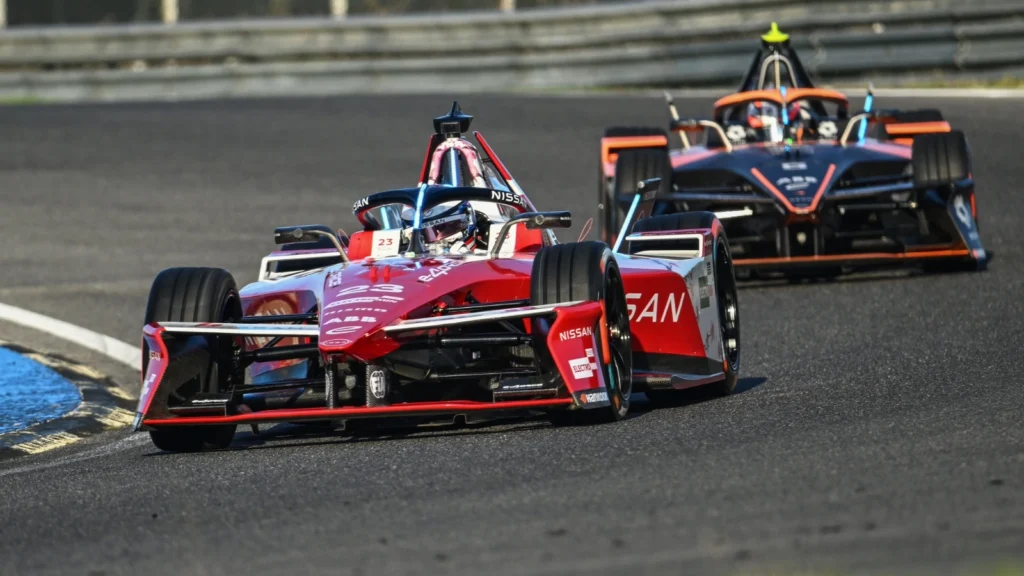
A decade ago, in 2014–15, we had to swap out Formula E cars mid-race due to the batteries’ inability to sustain the vehicle for the entire race. That now feels like ages ago. The new GEN3 and GEN3 Evo cars have top speeds over 322 km/h (200 mph) and recover almost half of their energy during a race.

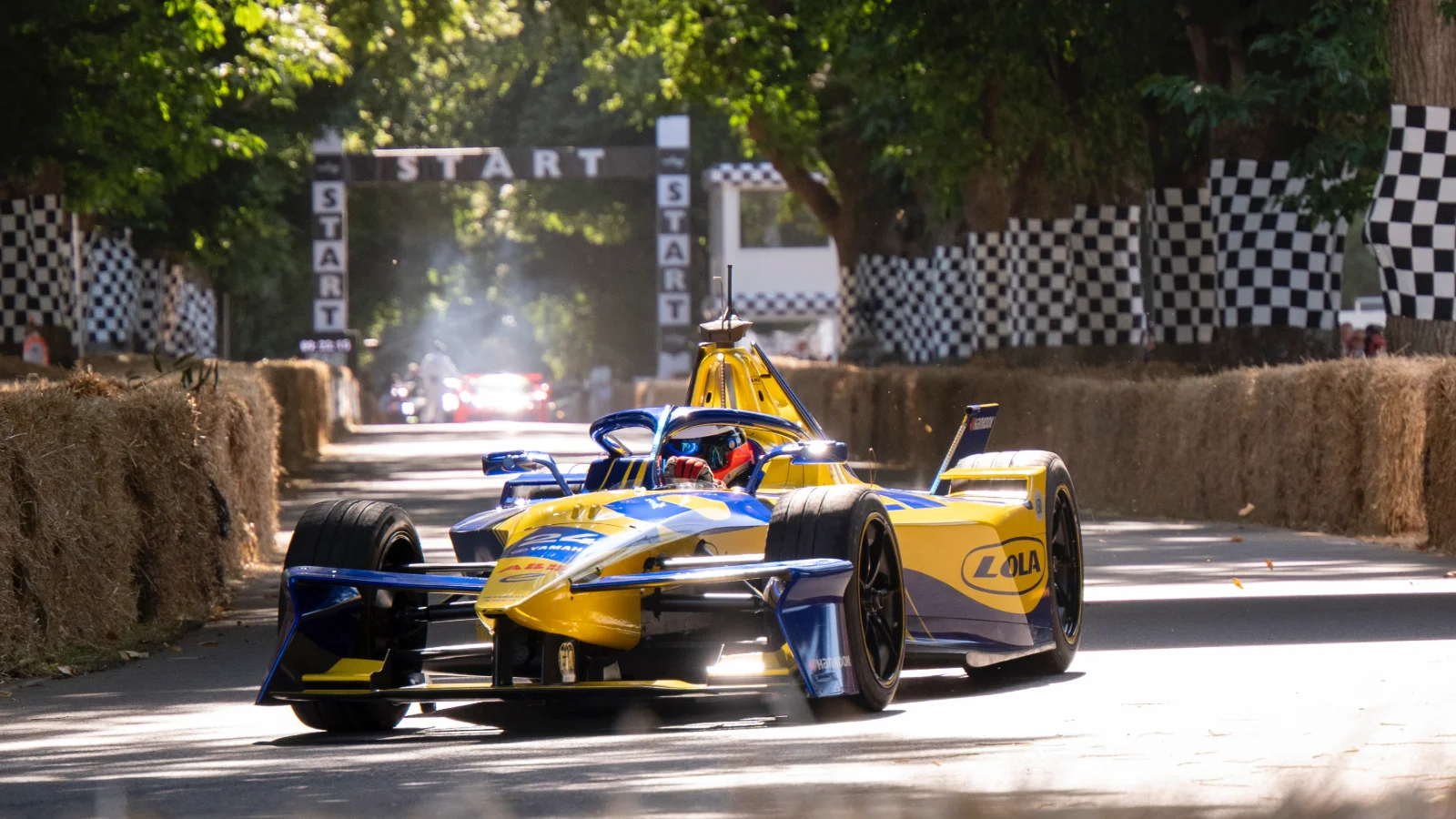
Manufacturers are also taking heed. Maserati, Lola in collaboration with Yamaha, and others are investing in Formula E powertrain development. What was once green prestige is now performance, speed, and real engineering. The fans are taking notice. In the 2024–25 season, different races shattered audience records.
New series, new formats, new technologies
It’s not only Formula E. Other series are coming, and they’re opening up the landscape. The NXT Gen Cup, launched in 2023, gives young drivers an all-electric touring car series. It’s designed to make racing more sustainable and accessible. The Scandinavian Touring Car Championship went all-electric in 2024, one of the first national series to take the leap.
Extreme E is already considering a switch to hydrogen with Extreme H, combining electric drivetrains with fuel cell systems.
Technologies that once sounded futuristic are gradually becoming commonplace. Regenerative braking is more sensitive. Vehicles are constructed from increasingly recycled or sustainable materials. Solid-state batteries and ultra-rapid charging may arrive sooner than most anticipate, although timelines are always dubious.
Fan engagement
There is a flip side to the coin: betting. Sportsbooks are giving electric motorsport a boost. When fans place wagers on Formula E, Extreme E, or touring cars, they pay closer attention to the details – drivers, strategy, and even battery management. That builds more profound engagement.
Sponsorship is growing too, as sportsbooks support teams, drivers, and events. Live odds, mobile apps, and streaming coupled with betting keep fans involved in real time. Interestingly, the the dynamics of football betting (Arabic: مراهنات كرة القدم), where every statistic or tactical change can shift predictions, mirror the way motorsport fans follow energy use, pit stops, and overtakes.
The audience expands beyond purists: bettors, casual viewers, and tech enthusiasts all become engaged. Further investment helps racing series cover the costs of improved infrastructure, enhanced broadcasting, and increased safety. Some platforms even link special promotions with races, such as boosted odds or VIP treatment at major electric events.
Local communities are likely to follow these developments through social channels. The official MelBet Facebook Morocco page shows how regional betting fans stay in touch with both motorsport updates and casino promotions. You can consider possibilities such as this casino site that already combines betting and motorsport.
Looking ahead: What’s possible by 2030
Putting all of this together, electric motorsport in 2030 will be unrecognizable from what it is now. Hybrid and hydrogen-electric racing will compete with, and in certain instances outcompete, internal combustion racing in terms of performance. Regulation will favour sustainability, imposing more stringent requirements for recyclable materials, carbon-neutral logistics, and emissions.
Motorsport, being a test bed for road car technology, will attract additional OEMs. Real-time telemetry, AR or VR overlays, and immersive apps will revolutionise fans’ experiences.
Betting integration in live broadcasts will further enhance engagement. Global reach will increase as electric racing spreads across Asia, Africa, and Latin America.
Wrapping up
The future of electric racing is not without challenges. Battery weight, infrastructure cost, and even fan expectations of noise and spectacle are still to be answered. Yet the positives outweigh the hurdles. Electric racing combines speed, strategy, and competition with innovation and sustainability, which the rest of the world hungers for.
You see engineers solving never-before-faced issues. Drivers adapting to battery management and regen zones. Fans are learning technology while still enjoying the thrill of racing. And via controlled betting and casino engagement, there’s new money, visibility, and engagement. That mix finances the whole ecosystem—better broadcasts, sponsorships, and opportunities down the line.
Most critical will be authenticity. Winning is about embracing what electric and hydrogen racing can do differently, not replicating conventional motorsport. Finding that equilibrium will enlist the support of fans, teams, and investors.