
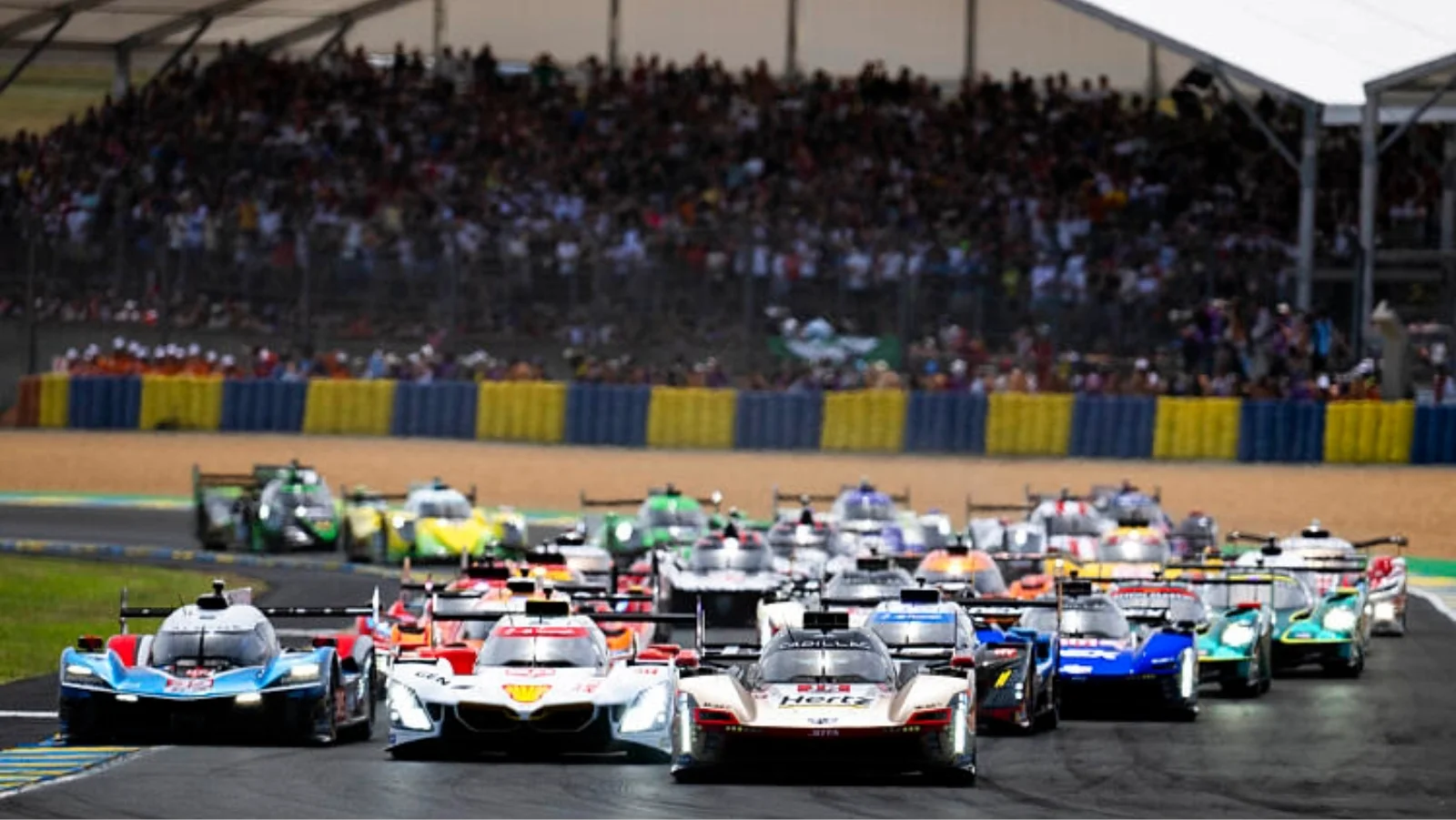
After conflicting reports of a separation in the past few weeks, it has been officially confirmed that the FIA and ACO will partner in the operations of the World Endurance Championship until the end of 2037.
The Fédération Internationale de l’Automobile (FIA), which is the global governing body for motorsport, and the Automobile Club de l’Ouest (ACO), the founder and organiser of the 24 Hours of Le Mans, have today announced a major deal for the FIA World Endurance Championship. Their focus is on the growth of the championship over the next 10 years.
The agreement, announced as the current deal approaches its 2027 expiry, comes during a period of significant growth for the WEC. Both organisations said they intend to expand their cooperation and strengthen the championship’s commercial development over the next decade.
A key change under the renewed agreement will be a stronger role for the FIA in the championship’s regulatory structure. All sporting and technical regulations will go through FIA Working Groups and the FIA Endurance Commission before the FIA World Motor Sport Council gives final approval. The FIA and ACO will also jointly oversee the homologation of cars competing in the Hypercar category.


The FIA’s presence in the championship will also become more prominent. Its branding will receive greater visibility in areas including parc fermé, the podium, Safety Cars and television coverage.
The agreement arrives as the WEC continues to expand its audience and manufacturer participation. According to the FIA and ACO, trackside attendance has increased by more than 8% so far in 2026. The championship is also attracting a younger and increasingly international audience: 44% of spectators this year are aged 34 or under, while 40% are attending a WEC event for the first time.

The Hypercar class has become a major driver of that growth. Eight major automotive manufacturers currently compete in the category, while the grid as a whole represents 14 marques following the introduction of LMGT3 in 2024. Ford and McLaren are scheduled to join the Hypercar field in 2027.
The championship’s current technical platform is also creating closer links between different endurance racing series. From 2030, a unified technical framework is planned for top-level Hypercars competing in the WEC and IMSA in North America. The aim is to reduce costs for manufacturers and make it easier for them to compete across major endurance racing championships.
The extended partnership is also intended to support the development of new technologies, including hydrogen powertrains. Endurance racing has historically served as a testing ground for technologies later introduced into road cars, and the FIA and ACO say the new agreement will provide a framework for further development in this area.
FIA President Mohammed Ben Sulayem described the agreement as a step toward securing the long-term future of the championship: “This is a deal built for the future, a deal of the century, one that strengthens the collaboration between the FIA and ACO, a relationship that dates back over 120 years, and sets the championship up for a decade of record growth that will deliver real benefits to fans, drivers, teams and manufacturers.”
Pierre Fillon, President of the Automobile Club de l’Ouest, said: “We are delighted to see the agreement between the FIA and the ACO extended, reinforcing the strong and long-standing relationship that has been at the heart of the FIA World Endurance Championship since its creation in 2012. This partnership has been built on trust, shared ambition, and a common commitment to the development of endurance racing.
“Together, the FIA and the ACO have created a solid foundation for the continued success and international growth of the championship, and we look forward to writing the next chapter of this remarkable collaboration.”
The agreement represents the fourth long-term deal involving an FIA World Championship announced since July 2025. For the WEC specifically, it provides a long-term regulatory and commercial framework extending well beyond the current Hypercar era and into the next decade of endurance racing.





Discussion about this post