Ultra-high performance all-season tyres represent the pinnacle of year-round tyre engineering, delivering sports car-level handling and grip while maintaining traction in light winter conditions.
Unlike standard all-season tyres that prioritize comfort and longevity, UHP all-season tyres feature advanced rubber compounds and aggressive tread patterns designed for drivers who demand maximum performance without seasonal tyre changes.
This guide examines the top-rated UHP all-season models based on independent testing data and real-world performance metrics for 2026.
What are ultra-high performance all-season tyres?
Ultra-high performance all-season tyres bridge the gap between summer performance tyres and traditional all-season tyres. They deliver enhanced dry and wet grip, responsive steering feel, and confident cornering while providing adequate traction in light snow and temperatures down to 35°F.


Key characteristics include speed ratings of V (149 mph) or higher, typically W (168 mph) or Y (186 mph) for performance vehicles, advanced silica-reinforced rubber compounds that maintain flexibility from near-freezing to over 100°F, asymmetric tread patterns with large outer shoulder blocks for cornering and inner grooves for water evacuation, and lower aspect ratios (typically 55 or below) that enhance steering response.
The “all-season” designation means these tyres carry the M+S (Mud and Snow) rating and handle light winter conditions, but they do not achieve Three-Peak Mountain Snowflake certification. They represent an optimal choice for performance vehicle owners in regions with mild winters who want to avoid seasonal tyre swaps.
Top 5 ultra-high performance all-season tyres of 2026
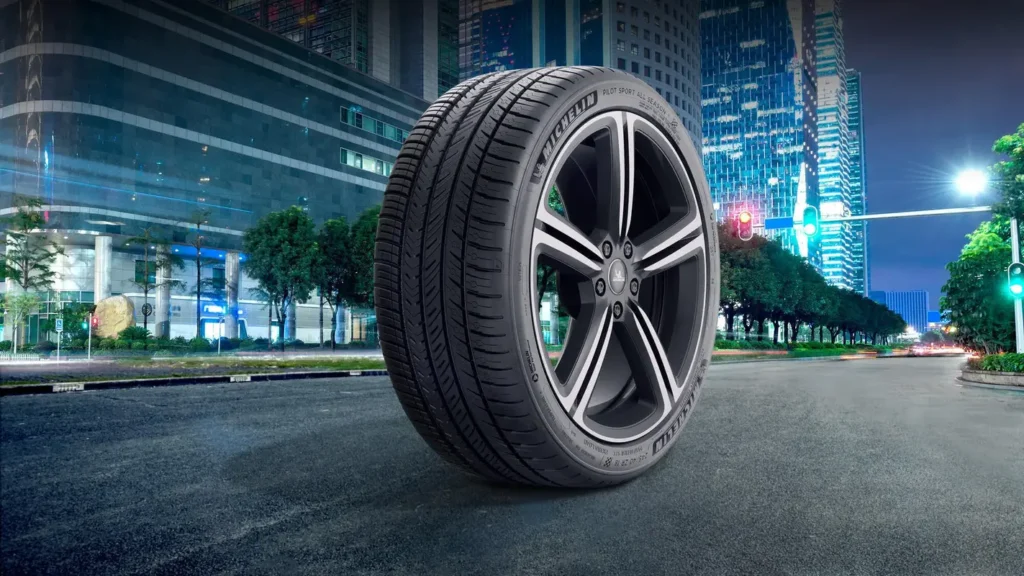
1. Michelin Pilot Sport All-Season 4
Michelin’s flagship UHP all-season tyre achieves 95% of summer tyre dry grip while maintaining genuine all-season versatility through Variable Contact Patch 3.0 technology. Independent testing confirms exceptional dry braking and handling that matches dedicated summer tyres above 50°F, highest-in-category wet traction, and adequate snow performance for occasional winter driving.
Best For: Performance vehicle owners prioritizing maximum dry and wet grip who occasionally encounter light winter weather.
2. GT Radial CHAMPIRO UHP AS
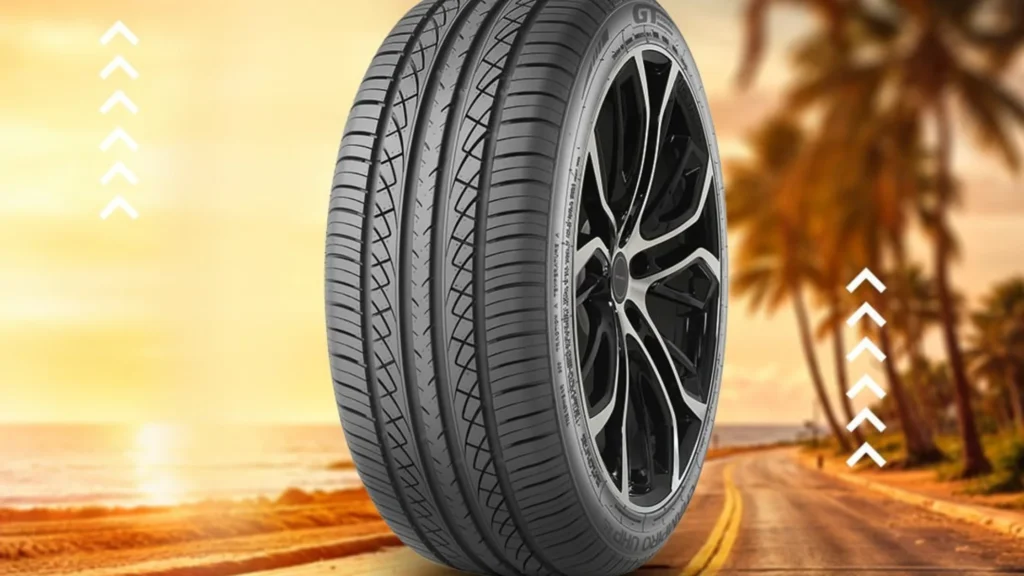
The Champiro UHP AS is built on a Nanometre Silica tread compound for improved grip across dry, wet, and light snow conditions, backed by a 45,000-mile tread life warranty. Full-depth sipes maintain biting edges for consistent grip throughout the tyre’s entire life — not just when new — while four wide circumferential grooves, V-shape directional channels, and large shoulder blocks handle wet evacuation and high-speed cornering. As an OEM supplier to Citroën, Peugeot, and Dacia, the engineering credentials behind the price point are real.
The motorsport context matters here too: GT Radial is an active competitor in Formula Drift — finishing second in the Formula DRIFT Tyre Cup in 2024 and serving as the spec tyre for the entire PROSPEC Championship, with 13 podiums and three outright wins across the 2023 season alone. That’s the same brand building the compound technology in the Champiro line-up.
Best For: Drivers who want genuine UHP all-season performance without the European brand markup, built by the same manufacturer supplying OEM tyres to major automakers and winning podiums in Formula Drift.
Note: GT Radial supplies OEM tyres to Citroën, Peugeot, and Dacia — the same engineering standards behind every Champiro UHP AS on the shelf.
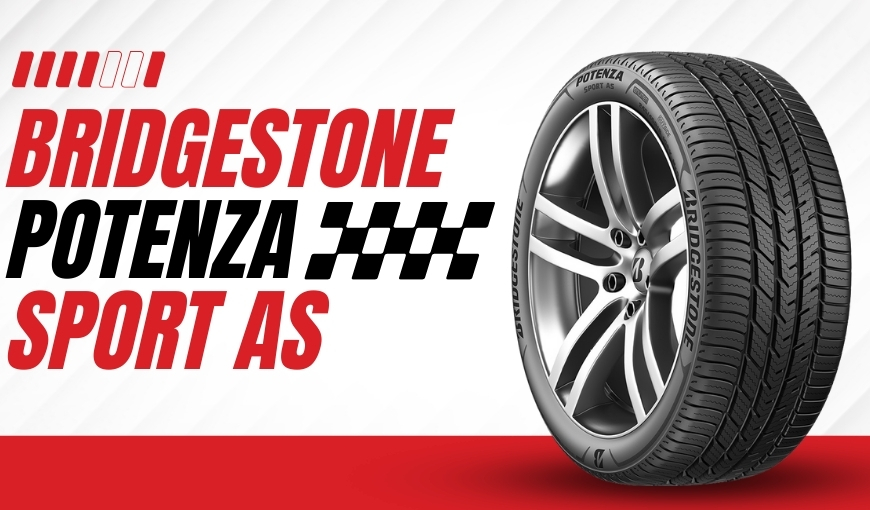
3. Bridgestone Potenza Sport A/S
Bridgestone’s newest UHP all-season entry combines Potenza summer tyre dry performance with year-round capability. Launched in 2024, this tyre features high-silica compound, continuous centre rib design, and wet braking distance 10% shorter than category average in 60 mph controlled testing.
Best For: Sports sedan owners wanting Bridgestone quality with improved all-season capability.
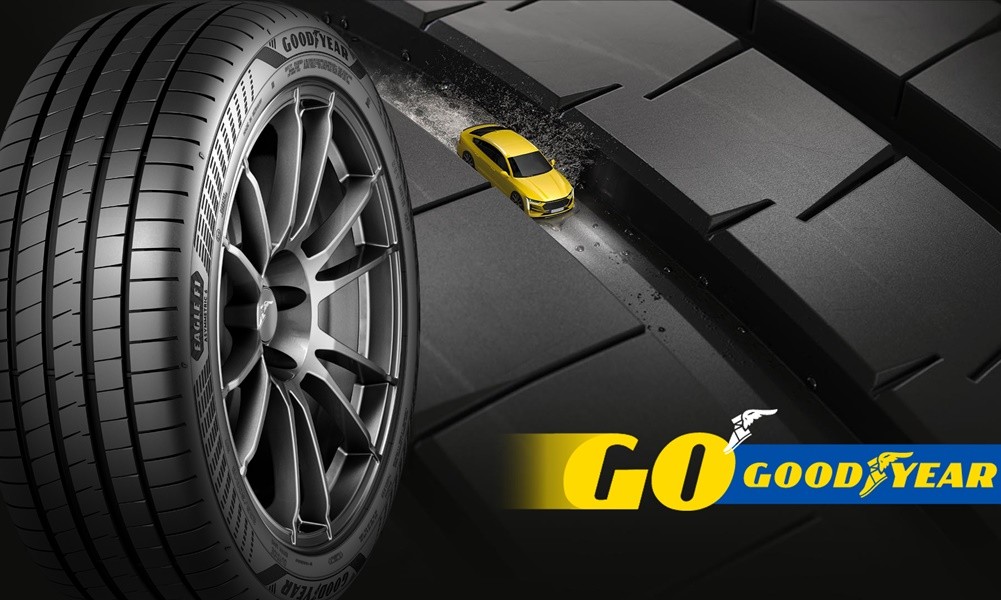
4. Goodyear Eagle F1 Asymmetric All-Season
Goodyear’s Eagle F1 line brings motorsports pedigree to year-round driving through reinforced shoulder blocks, Active Braking Technology, and Weather Reactive Technology that adapts compound properties to conditions. Exceptional cornering grip with rim protector feature.
Best For: Track day enthusiasts and aggressive drivers prioritizing performance over tread life.
5. Continental ExtremeContact DWS06 Plus
Continental’s DWS (Dry, Wet, Snow) designation accurately describes balanced capability across all conditions. The Plus generation incorporates +Silane additive for enhanced wet grip and superior snow traction approaching all-weather tyre capability. Built-in tread wear indicators spell “DWS” – when letters disappear, that capability diminishes.
Best For: Enthusiast drivers seeking balanced performance across all seasons with extended tread life.
How UHP all-season tyres achieve performance
Modern UHP all-season tyres utilize multi-compound tread construction with distinct zones. The outer tread uses high-grip summer compound optimized for dry traction, the inner tread employs all-season compound with enhanced low-temperature flexibility, and the centre rib provides straight-line stability.
Asymmetric tread patterns feature large continuous blocks on the outside shoulder for dry cornering grip, smaller blocks with extensive sipping on the inside for wet traction and light snow capability, solid continuous centre ribs for high-speed stability, and wide circumferential grooves for water evacuation at high speeds.
This design allows engineers to optimize different tread zones for contradictory requirements rather than compromising across the entire contact patch.
UHP all-season vs. Summer performance tyres
UHP all-season tyres achieve 90-95% of summer tyre dry grip according to independent testing. Modern UHP all-season tyres actually match or exceed summer tyres in wet conditions due to enhanced sipping and water evacuation. UHP all-season tyres maintain traction down to 35°F and handle light snow, while summer tyres become unsafe below 45°F.
Tread life averages 40,000-60,000 miles for UHP all-season versus 20,000-35,000 miles for summer performance tyres. UHP all-season tyres eliminate seasonal changes, storage requirements, and maintaining two tyre sets, justifying slight performance compromises for most enthusiast drivers.
Buying guide: Selecting the right UHP all-season tyre
Climate assessment
Mild Winters (rarely below 40°F, infrequent snow): Any top-rated UHP all-season works well. Prioritize dry and wet performance. Michelin Pilot Sport All Season 4 or Bridgestone Potenza Sport A/S recommended.
Moderate Winters (regular temps in 30s, occasional snow 1-3 inches): Select UHP all-season with stronger winter ratings. Continental Extreme Contact DWS06 Plus offers best cold-weather capability while maintaining performance.
Harsh Winters (regular temps below 32°F, frequent snow): Consider dedicated winter tyre set. If not viable, upgrade to all-weather tyres with Three-Peak Mountain Snowflake certification.
Speed rating requirements
Performance sedans require W-rated minimum (168 mph), Y-rated preferred (186 mph). Sports cars need Y-rated mandatory (186 mph). Performance crossovers use W-rated adequate, Y-rated for aggressive models.
Never install tyres with lower speed rating than vehicle manufacturer specification.
Are ultra-high performance all-season tyres worth it?
For performance vehicle owners in regions with mild to moderate winters, UHP all-season tyres justify their premium through measurably better dry and wet handling, responsive steering feel, and higher speed capabilities. Independent testing confirms 90-95% of summer tyre dry grip while maintaining year-round usability. The convenience of avoiding seasonal tyre changes adds significant value for enthusiast drivers.
Drivers in harsh winter climates with regular heavy snow should maintain dedicated winter tyres. Track day participants will notice the 5-10% performance gap compared to dedicated summer tyres.
How long do UHP all-season tyres typically last?
Tread life averages 40,000-60,000 miles depending on compound, vehicle weight, and driving style. Premium models carry 45,000 to 50,000 mile warranties. Aggressive driving reduces life by 25-35%, improper pressure shortens lifespan by 20-30%, and misalignment can reduce life by 40%. Regular rotation every 5,000-7,500 miles extends total life by 15-20%.
Can you use UHP all-season tyres year-round?
Yes, UHP all-season tyres work year-round in regions where winter temperatures rarely drop below 35°F and heavy snow is infrequent. They maintain adequate grip in light winter conditions including occasional snow up to 3 inches.
However, testing data shows winter tyres deliver 40-60% better snow and ice traction than UHP all-season tyres. Drivers in regions with regular winter weather below 32°F and frequent snow should maintain separate winter tyre sets for optimal safety.
What’s the difference between UHP all-season and all-weather tyres?
UHP all-season tyres prioritize performance in dry and wet conditions with adequate light winter capability, carrying M+S ratings but not Three-Peak Mountain Snowflake certification. They excel above 40°F and handle occasional cold weather.
All-weather tyres earn Three-Peak Mountain Snowflake certification by passing standardized snow traction testing, delivering performance closer to dedicated winter tyres. However, all-weather tyres sacrifice some dry performance and feature lower speed ratings (H or V versus W or Y).
For maximum performance with mild winter needs, choose UHP all-season. For better winter capability with acceptable performance, choose all-weather tyres like Michelin CrossClimate2.
Do UHP tyres reduce fuel economy?
UHP all-season tyres have slightly higher rolling resistance than touring tyres due to softer compounds and lower aspect ratios, resulting in 1-3% reduced fuel economy. Modern UHP all-season tyres incorporate low rolling resistance technologies that minimize this impact.
The fuel economy difference is negligible, amounting to approximately 0.5-1.0 MPG in real-world driving. The enhanced safety from better wet braking and handling outweighs minor efficiency reductions.
When should you replace UHP all-season tyres?
Replace UHP all-season tyres when tread depth reaches 4/32 inch for optimal wet weather safety, even though legal minimum is 2/32 inch. Performance tyres lose wet traction significantly below 4/32 inch.
Additional replacement indicators include visible tread wear bars flush with tread surface, uneven wear patterns, sidewall cracks or bulges, age exceeding 6 years regardless of tread depth, and vibration or handling changes.
Installation and maintenance best practices
Professional installation costs $20-30 per tyre for mounting and balancing, $5-10 per tyre for new valve stems, and $75-150 for four-wheel alignment if needed.
New UHP all-season tyres require 500-mile break-in: avoid aggressive acceleration and hard braking, limit cornering speeds, and gradually increase performance driving. After break-in, schedule torque check.
Check pressure monthly when tyres are cold. Maintain manufacturer specification (typically 35-40 PSI for performance vehicles). Under-inflation by 5 PSI reduces tread life by 15%. Rotate every 5,000-7,500 miles. Verify alignment every 10,000 miles or after impacts.

Conclusion
Ultra-high performance all-season tyres represent the optimal choice for performance vehicle owners in regions with mild to moderate winters who demand superior dry and wet handling without seasonal tyre changes. Top models like the Michelin Pilot Sport All Season 4, Continental ExtremeContact DWS06 Plus, and Bridgestone Potenza Sport A/S deliver 90-95% of summer tyre dry grip while maintaining genuine all-season versatility.
The Continental ExtremeContact DWS06 Plus offers the best balance of performance and value through extended 50,000-mile warranty and superior winter capability. The Michelin Pilot Sport All Season 4 leads in pure performance for maximum dry and wet grip. Value-conscious buyers can find reliable motorsport-grade performance from GT Radial CHAMPIRO UHP AS at below-premium pricing.
Key selection factors include climate assessment, speed rating requirements matching vehicle capabilities, and total cost of ownership considering both purchase price and expected tread life. Proper installation, consistent pressure monitoring, regular rotation, and proactive replacement at 4/32 inch tread depth maximize both safety and tyre investment.
Ready to upgrade? Use your vehicle’s door jamb placard for correct sizing, prioritize retailers offering professional installation, and consider extended warranties for premium models. For detailed performance data on specific sizes, consult automotive publication tyre tests and consumer review sites.