
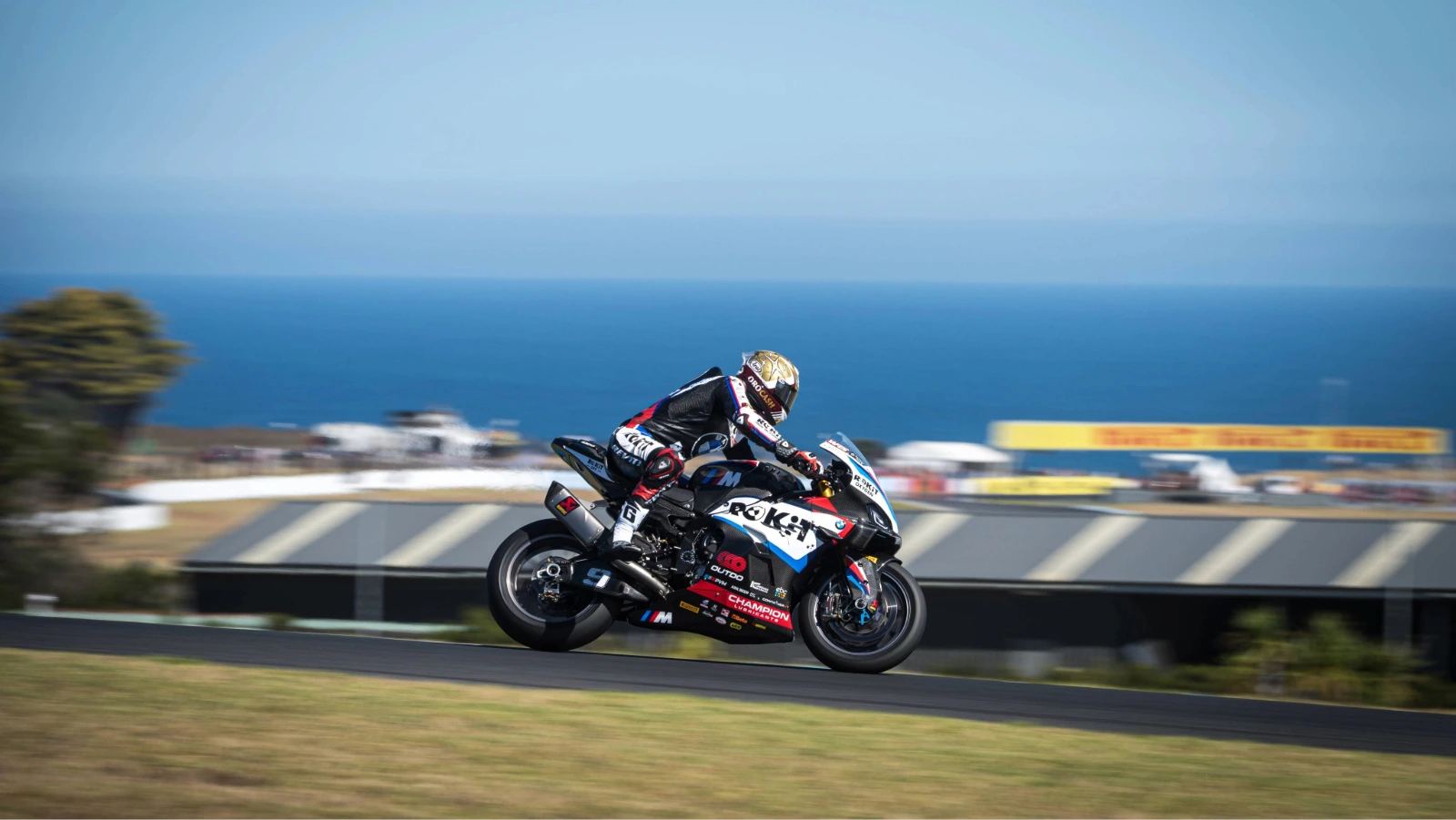
BMW has admitted the new WorldSBK fuel flow regulations “worked better” than it expected despite facing reductions throughout last season.
The maximum fuel flow rate was introduced by WorldSBK at the start of the 2025 season, which was initially set at 47 kg/h for all manufacturers.
The fuel flow per manufacturer could be reduced depending on performance, as Ducati and BMW each saw their limit reduced by 0.5 kg/h three times.
Ducati and BMW both started 2026 with a maximum rate of 45.0 kg/h due to these reductions, the smallest of any manufacturer on the grid.


Meanwhile rivals Bimota saw its rates reduced to 46.0 kg/h, while Honda and Yamaha began the current campaign with a fuel flow rate allowance of 46.5 kg/h.
After a generally positive first season, BMW Technical Director Chris Gonschor assessed that the new regulations “worked better in 2025” than he had initially accounted for.
“The field has been brought closer together as a result,” Gonschor told SPEEDWEEK.com.
“As with all new regulations, you need statistics to fully understand the effects. However, the balancing worked better in 2025 than I had originally expected.
“The manufacturers who entered the new season with a reduction are hit much harder than those who received concessions.”
“One kilogram less has a greater percentage impact than one kilogram more provides any advantage.”
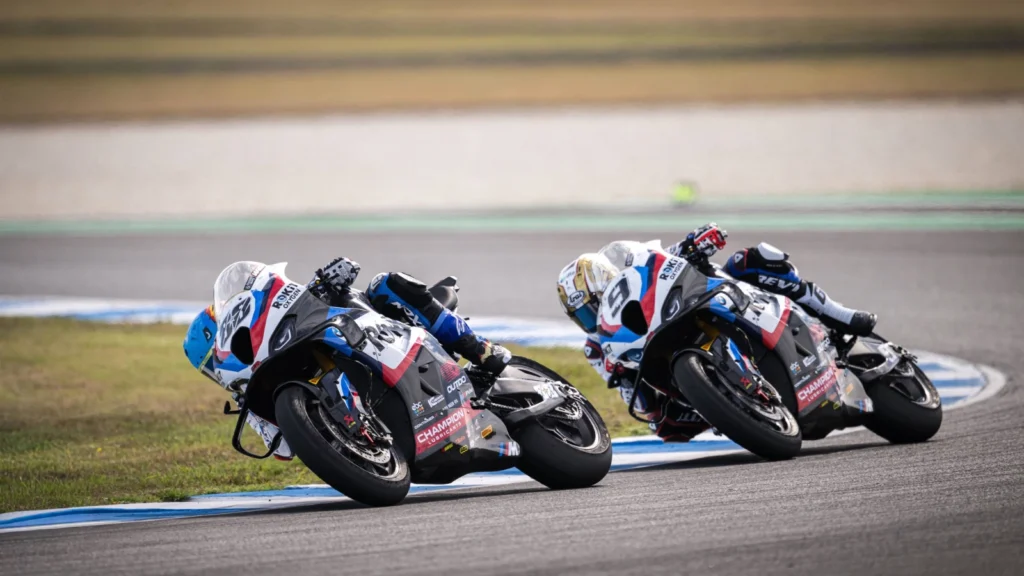
BMW: WorldSBK fuel flow rate ‘not directly transferable’ to engine efficiency
Despite the success of the new regulations in WorldSBK, Gonschor suggested there would be limited benefit for developing more fuel-efficient production engines.
As the components used in motor racing “are different” to a regular road bike, the engineer questioned how easily the efficiency gained from the fuel flow limit can be transferred to other departments.
“Of course, you learn something from a technical perspective,” Gonschor said.
“Consequently, the contribution to increased efficiency is undeniable.
“However, I would question to what extent the efficiency gains achieved here can be transferred to, for example, a touring motorcycle. The components we can use here are different.”
Gonschor added: “A street motorcycle doesn’t have as much freedom as a racing motorcycle, starting with emissions.
“Therefore, it’s not directly transferable to the road. But it’s also not necessary, because the loads are significantly different.”
“As a brand ambassador, one naturally says that motorsport promotes series development.
“It can provide important impetus, but I wouldn’t agree that the fuel flow rule does that.”




Discussion about this post