City driving demands the right tool for the job.
Narrow streets, packed car parks, and relentless stop-start traffic will grind you down fast in the wrong car. A small car built for urban life changes all of that.
The UK has one of the strongest small car markets in Europe, and for good reason. Running costs stay low, parking becomes far less stressful, and you spend less at the pump. Fuel economy and manoeuvrability go hand in hand with compact dimensions, and that matters when you drive in a busy city every day.
This guide cuts straight to the best options on sale right now. You get the facts on size, cost, and real-world performance, so you can pick the right car with confidence.


What to look for before you buy
Start with size. A car under four metres long handles UK city streets with far less hassle and slips into parking spaces that defeat larger cars. Length of your car matters more than most buyers realise.
Next, get clear on what you can comfortably afford each month, not just what you can pay today. Running costs (fuel economy, insurance group, and road tax) hit your wallet every single month.
If you’re considering spreading the cost, do a soft search for car finance early so you can see realistic monthly figures without committing, then sanity-check them against your insurance quote (often the biggest cost on small cars) and your typical mileage.
That way you don’t end up “approved” for more cars than your budget can handle.
Boot space is worth your attention too. Most city cars offer between 200 and 360 litres, enough for a weekly shop or a weekend bag. Think about what you actually carry day to day, then match the car to your life.
Finally, check the safety rating. Most buyers look for a four or five-star Euro NCAP score, and many small cars deliver it. Safety tech like automatic emergency braking is now standard on most models, so you shouldn’t have to pay extra for the basics.
The 7 best small cars for city driving in the UK
These seven cars lead the pack in 2025 for urban driving in the UK:
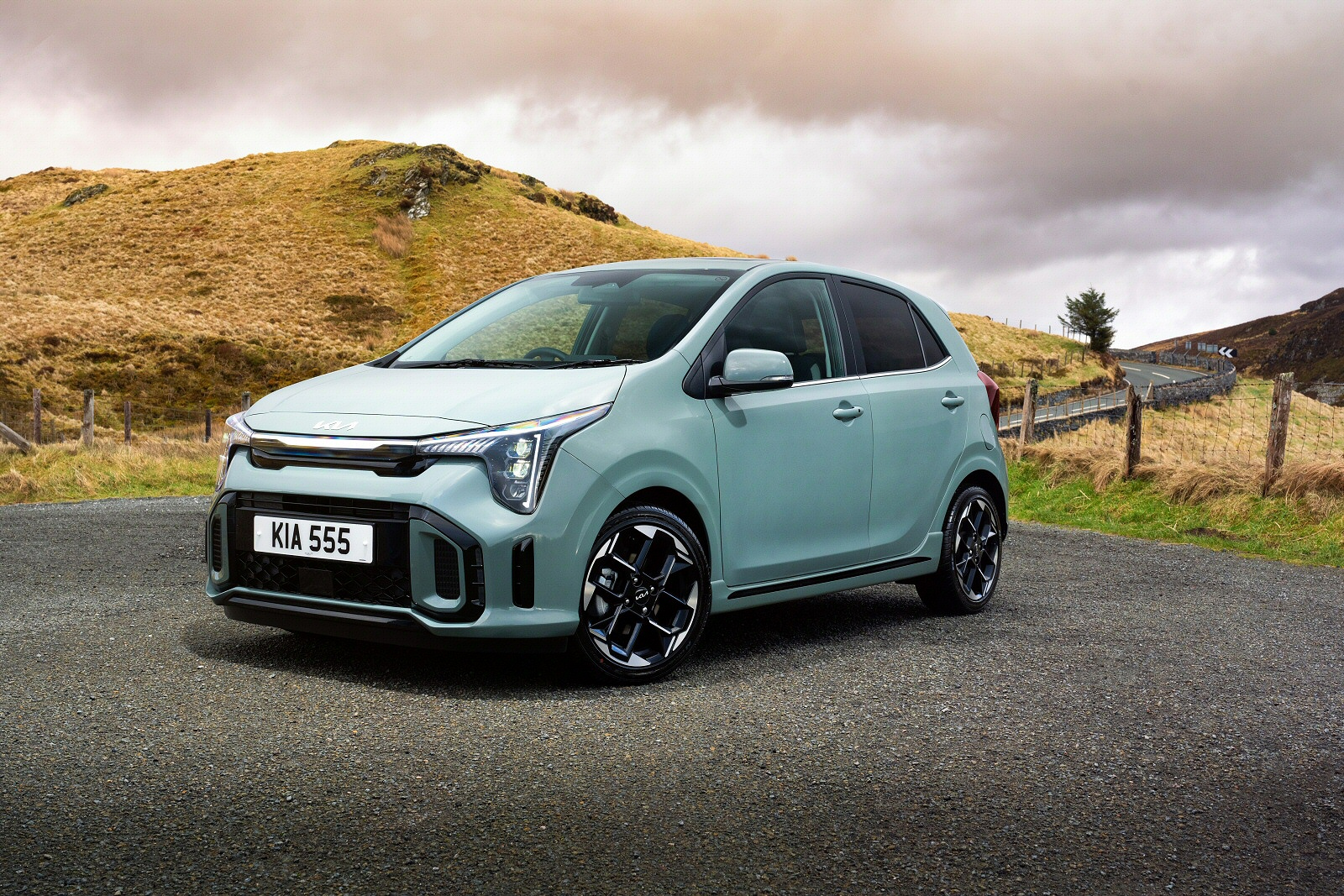
- Kia Picanto — Auto Express City Car of the Year 2025, the Picanto punches well above its price tag. You get agile handling, a well-finished interior, and a seven-year transferable warranty that follows the car to future owners. A budget of just £8,000 gets you a three-year-old mid-spec model, making it one of the smartest used buys on the market right now.
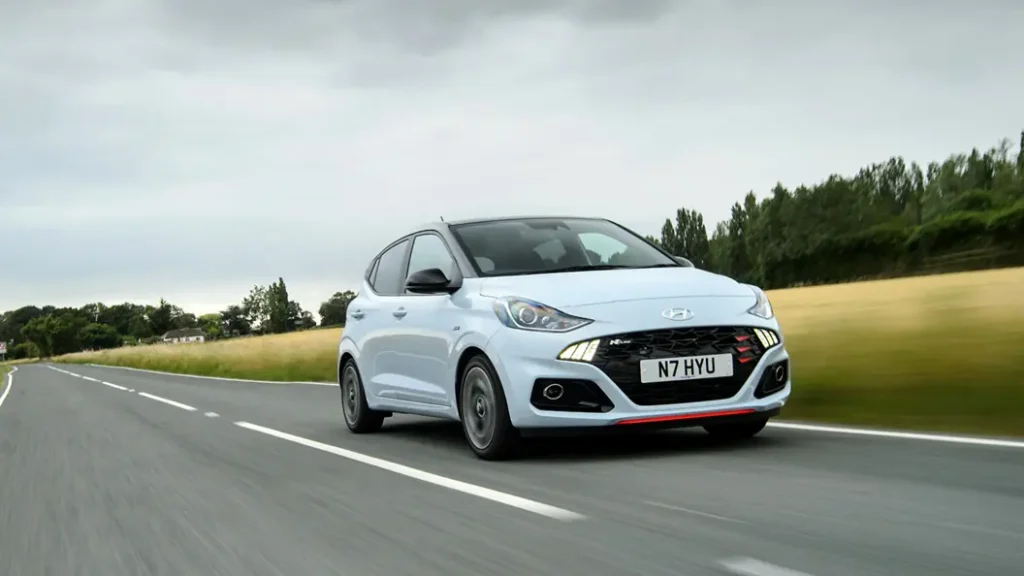
- Hyundai i10 — One of the best-selling city cars in the UK since 2013, the i10 earns that reputation through sheer reliability and everyday ease. It steers lightly, parks without stress, and fits four adults inside without too much complaint. The boot offers 252 litres of space, expanding to 1,046 litres with the seats folded flat, which is genuinely impressive for a car this size.
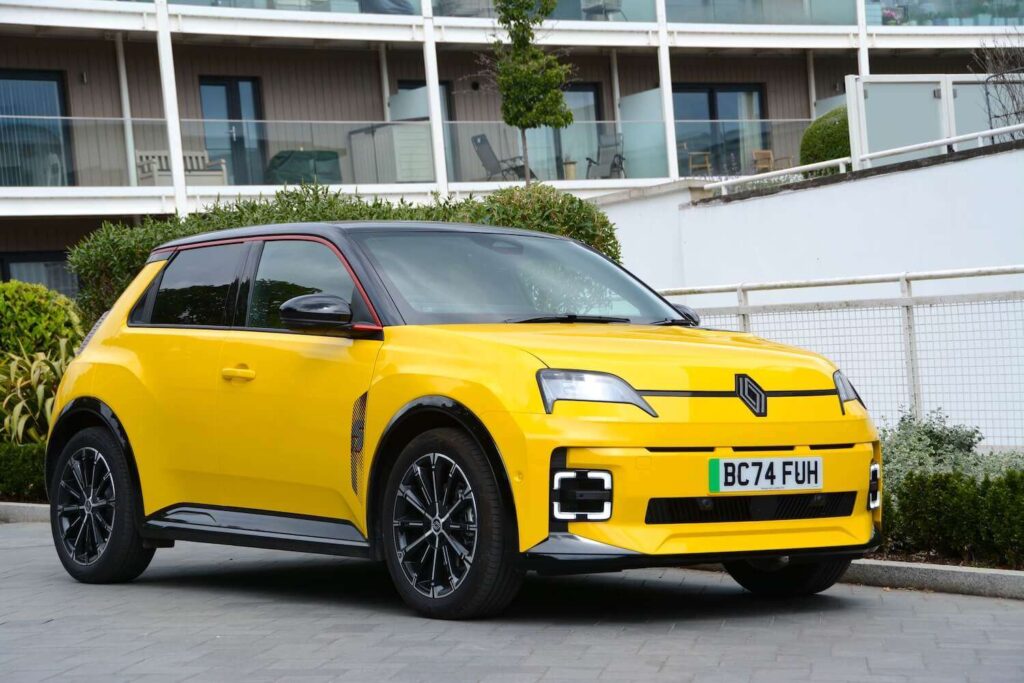
- Renault 5 — The best electric choice on this list by some distance. It drives with steering that feels alive, sharp brakes, and a sense of balance and agility that reminds you why small cars are far more enjoyable than SUVs. Google is built in, the retro styling turns heads, and the compact battery means rapid charging takes under 30 minutes from low to 80 per cent.
- Fiat Grande Panda — Named best small car at the 2025 Autocar Awards, the Grande Panda delivers bold Italian design and a genuinely fun driving experience in one package. Creative interior touches make it a joy to spend time in, and the upright roofline gives you more headroom than you expect. It suits city driving brilliantly, and it looks far more expensive than it actually is.
- Suzuki Swift — Simple, sharp, and seriously good to drive. It weighs less than a tonne, feels light on its wheels, and the manual gearbox adds a level of engagement that most rivals simply cannot match. You get mild-hybrid assistance on the 1.2-litre petrol engine, which keeps fuel costs low without turning the driving experience into a chore.
- Renault Clio — Highly commended in the Smart Spender category at the 2025 Carwow Car of the Year Awards, the Clio balances style and substance better than almost anything else in this class. Soft-touch plastics, a slick portrait touchscreen, and supportive seats give it a premium feel well beyond its price point. It also returns strong fuel economy figures, making it a sensible long-term choice for daily city use.
- Volkswagen Polo — The most refined car on this list and the one that feels closest to a premium product. Boot space sits at 328 litres, outgunning several rivals, and the interior build quality sets a high standard for the class. You pay a little more than you would for a Picanto or i10, but the Polo rewards you with a composed, confidence-inspiring drive both in the city and on longer runs.
How these cars compare
Seven strong contenders, but they suit different needs and budgets. This table gives you the key numbers at a glance so you can shortlist your best match quickly.
| Car | Starting Price | Fuel Economy | Boot Space | Best For |
| Kia Picanto | From £15,198 | 50+ MPG | 255L | Budget city driving |
| Hyundai i10 | From £17,500 | 50 MPG | 252L | Reliability and ease |
| Renault 5 | From £21,050 | Up to 199 miles | 326L | Electric city driving |
| Fiat Grande Panda | From £18,111 | ~55 MPG / 199 miles (EV) | 361L | Style and character |
| Suzuki Swift | From £19,699 | 55+ MPG | 265L | Driving fun |
| Renault Clio | From £18,000 | Up to 60 MPG | 391L | Practicality and comfort |
| Volkswagen Polo | From £22,000 | 50+ MPG | 351L | Premium feel |
Prices are correct as of early 2026. Fuel economy figures based on official WLTP tests.
Running costs: What you’ll actually pay day to day
Small cars save you money. Full stop. UK drivers spend around £3,484 on average to run a car each year, but a small city car brings that figure down noticeably compared to larger alternatives.
Fuel sits at the top of your monthly outgoings. A petrol car costs broadly between 15p and 17p per mile to run, but the efficient engines in cars like the Renault Clio hybrid and Suzuki Swift push that figure down considerably. A car returning 55 to 60 MPG genuinely makes a difference across a full year of city driving.
Insurance follows closely behind. The UK average premium in the second quarter of 2025 stood at £562, but small cars sit in low insurance groups and regularly undercut that figure. The Kia Picanto and Hyundai i10 both attract some of the cheapest premiums on the market, which makes them strong choices for younger or newly qualified drivers in particular.
Road tax adds a flat £195 per year for most cars with a list price under £40,000 from April 2025. All seven cars on this list fall comfortably under that threshold. On top of that, budget around £500 per year for servicing and repairs, which covers your annual MOT, oil changes, and general upkeep without any nasty surprises.
New versus used: Which option is right for you
Used wins on value. But new wins on peace of mind. The right answer depends entirely on your budget and how long you plan to keep the car.
Buy new and you get a full manufacturer warranty, the exact specification you want, and no unknown history to worry about. The downside is sharp. Around 20% of a new car’s value disappears as soon as it leaves the showroom, and few new cars retain more than half their purchase price after three years. That depreciation hits hardest in the early years, so you pay a premium for the privilege of being first.
Buy used and someone else absorbs that financial hit for you. A budget of just £8,000 gets you a three-year-old mid-spec Kia Picanto, and a car that low on mileage feels very close to new. The same logic applies across this list. A two to three year old example of any car here delivers most of the benefit at a fraction of the new price.
The sweet spot sits in the middle. A nearly new car with under 10,000 miles gives you the latest technology, a remaining manufacturer warranty, and none of the brutal first-year depreciation. If you buy a three-year-old car, someone else has already absorbed the worst of the depreciation curve. For most city drivers, that makes nearly new the smartest move of the three.