Superbikes and premium motorcycles cost more to repair and maintain. Panels, electronics, sensors, and tyres are expensive, and skilled labour is often needed.
Buying online 2-wheeler insurance with the right terms helps you plan for these higher costs. The aim is simple. Match cover to the way you ride, store, and service your machine.
Why premium motorcycles need a different approach
Commuter bikes often focus on legal compliance and basic protection. Premium bikes need a little more care. A well-chosen 2 wheeler insurance plan can align protection with the real cost of parts and labour.
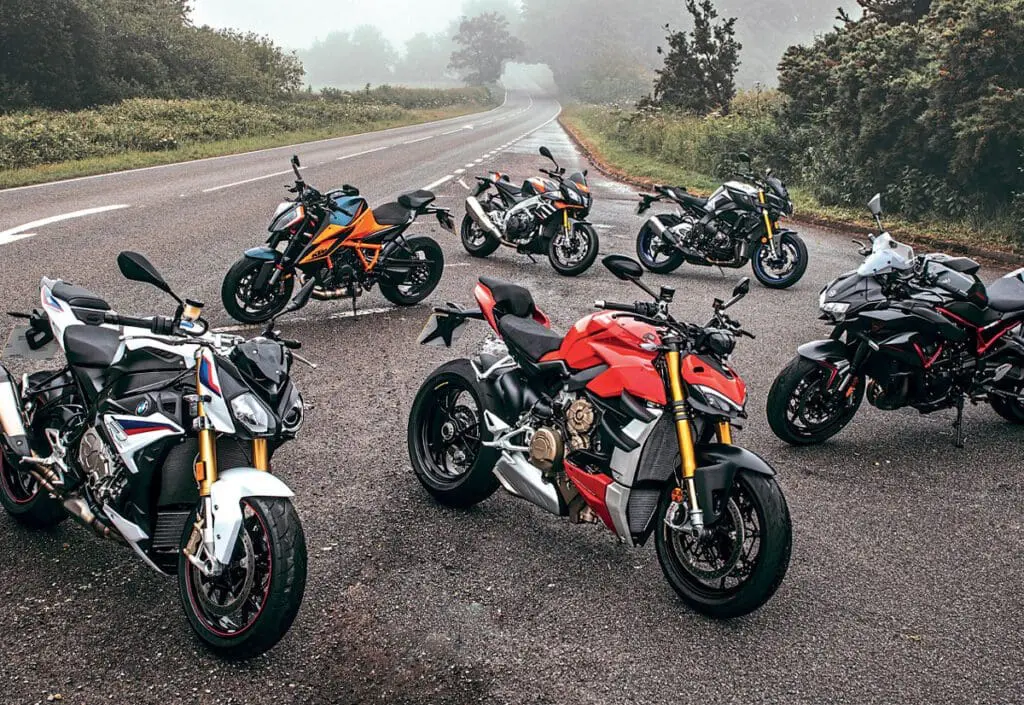
These bikes also carry advanced features like ride-by-wire, cornering ABS, traction control, and multiple sensors, which can increase repair bills after an accident.


You may also have premium tyres, performance exhausts, crash protection, or panniers. These items change how you set value, select add-ons, and prepare documents.
Cover options: Third party vs broader protection
A third-party policy is the minimum legal cover. It typically pays for third-party injury, death, or property damage. It usually does not pay for your own bike’s damages.
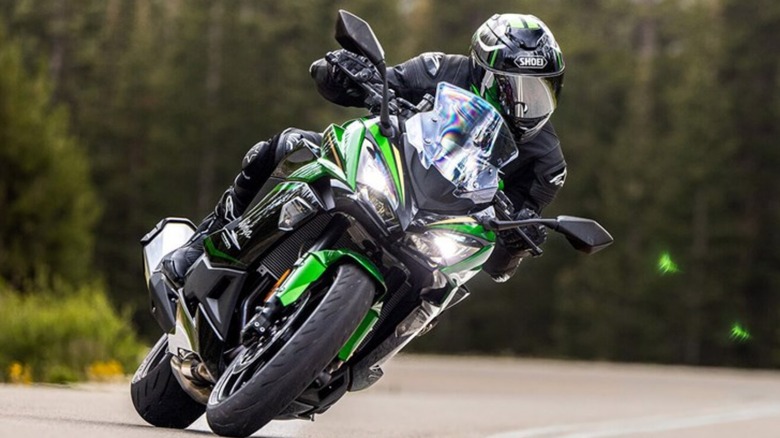
Many owners of premium motorcycles consider comprehensive bike insurance. This usually combines third-party cover with own damage cover for risks like accident, theft, fire, and certain natural events, as per policy wording. When you compare 2-wheeler insurance options, check inclusions, exclusions, and claim steps in detail.
A third-party policy is the minimum legal cover. It typically pays for third-party injury, death, or property damage. It usually does not pay for your own bike’s damages.
Many owners of premium motorcycles consider comprehensive bike insurance. This usually combines third-party cover with own damage cover for risks like accident, theft, fire, and certain natural events, as per policy wording. When you compare 2-wheeler insurance options, check inclusions, exclusions, and claim steps in detail.
Getting the insured declared value right
Insured Declared Value, or IDV, is essential for premium bikes. It is linked to market value after depreciation, using insurer rules. IDV can change your premium and may affect payout for total loss or theft. Keep these points in mind:
- Very low IDV can lower premium but reduce payout during a big loss.
- Very high IDV can raise premium and may not reflect the true market value.
- Review IDV at renewal, especially when resale value stays strong.
The right IDV keeps your 2-wheeler insurance aligned with what the motorcycle is worth.
Accessories and modifications: Declare what matters
Many riders customise their bikes. Expensive accessories, electrical add-ons, and aftermarket parts should be declared and valued correctly. Ask how accessories are handled in 2-wheeler insurance. Some policies cover only factory-fitted items or apply limits. Keep invoices and installation proof. This makes assessment easier at claim time.
Add-ons many riders consider
Add-ons are optional benefits that you pay extra for. They can be useful when parts and labour are costly. Availability and rules vary, so read the wording.
Commonly explored add-ons include:
- Zero depreciation, which can reduce deductions on approved parts as per terms
- Engine and gearbox protection, often relevant for water ingress cases
- Roadside assistance, useful for towing, minor fixes, and guidance
The right mix can make 2-wheeler insurance more suited to your bike and usage.
Riding pattern, storage, and theft risk
How you use and store the motorcycle matters. City riding may bring more slow-speed drops and scratches. Touring can increase exposure to rain, rough roads, and remote breakdowns. Track use is usually excluded unless clearly stated in the policy.
Storage affects risk. Secure parking, CCTV, good locks, and alarms help reduce exposure to theft, even if the premium does not always change. Be transparent about usage when you select 2-wheeler insurance so the cover you choose makes sense for your routine.
Claims: Documentation and service readiness
Premium motorcycle claims move faster when documents are in order. Keep copies of RC, policy, driving licence, and service records. For accessories, keep purchase and fitment bills.
During a claim, the insurer may ask for:
- Photos of damages and, if possible, the accident spot.
- FIR for theft or severe incidents, when required.
- Estimates from the garage and final invoices.
Clear, timely documents support smoother handling. Many riders prefer 2-wheeler insurance with a strong cashless network and responsive support.
What about scooters in the premium segment
Some riders also own high-end scooters for city use. Scooter insurance follows similar ideas but parts, labour, and the way you ride can differ. If you own both a motorcycle and a scooter, select cover separately for each, based on value and usage.
Closing note
Premium motorcycles deserve careful planning. Choose 2-wheeler insurance that reflects true value, declared accessories, and the way you ride. Confirm add-ons that fit your needs, read the wording, and renew on time to keep protection active. With steady upkeep and proper documents, you are better prepared for surprises on the road.