Motorsport prides itself on pushing boundaries, yet sometimes it gets mired in familiar roadblocks: data bottlenecks, spotty real time decision pipelines, and the challenge of keeping fans genuinely engaged.
Oddly enough, the same tricky technical issues show up and are already solved daily within the world of Casino with Live Dealers. There, every millisecond counts and video streams, data flows, and intense interactions blend together for an audience spread across continents.
Motorsport could borrow a few strategies from this slick digital infrastructure, whether it’s rethinking how trackside networks function, revamping the way teams make snap calls, or changing what it means for fans to “be there” live. There’s more practical overlap than most would guess.
Ultra-low-latency data and live video in both sectors
Inside a live casino studio, multiple camera feeds and real-time data are delivered to thousands of users with minimal delay. That level of synchronization is central to Live Dealer Casinos, where even slight lag can disrupt the experience.
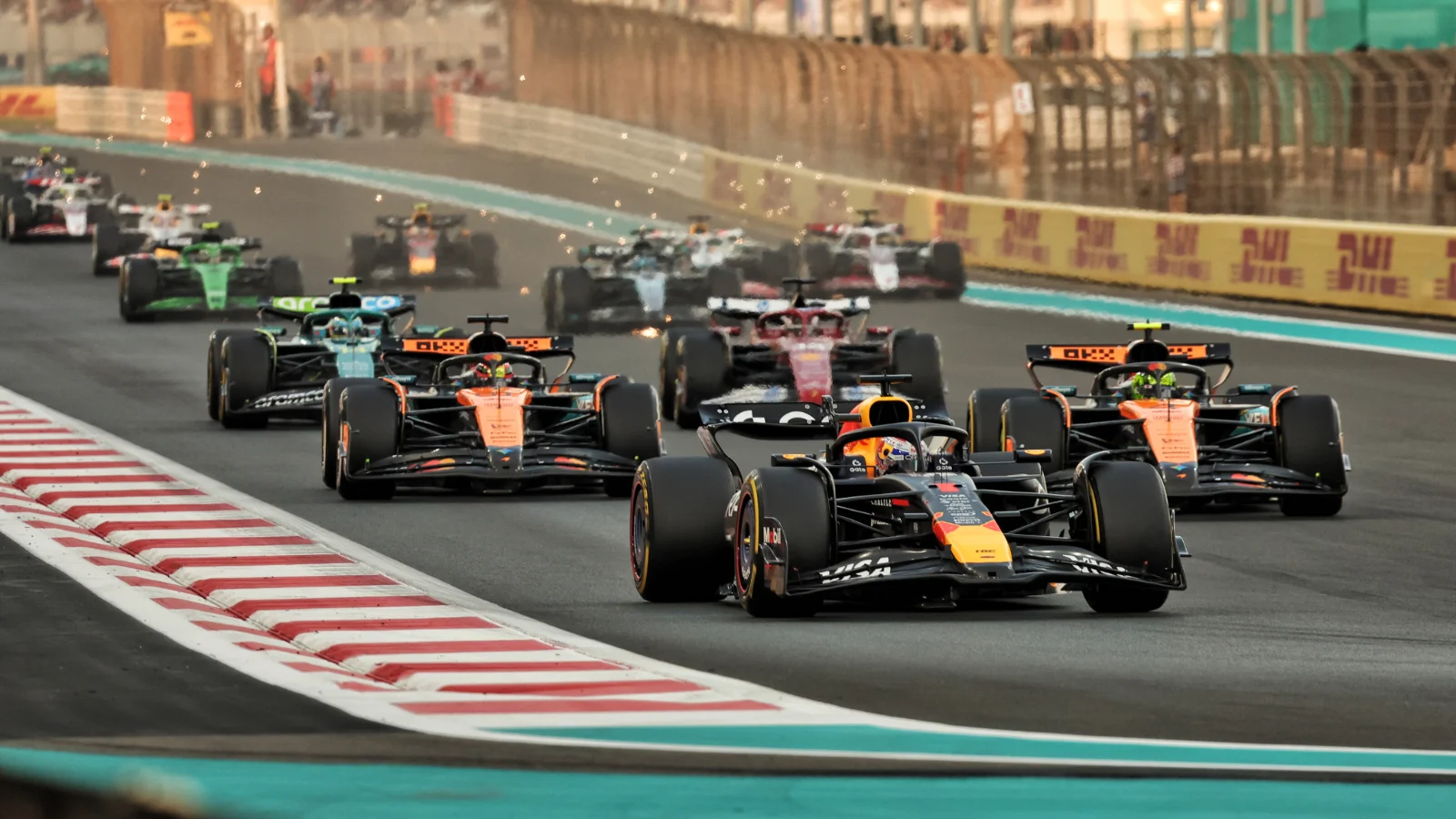
Motorsport faces a similar challenge. Formula 1 cars generate enormous volumes of telemetry every race, yet that information is often fragmented across separate systems.
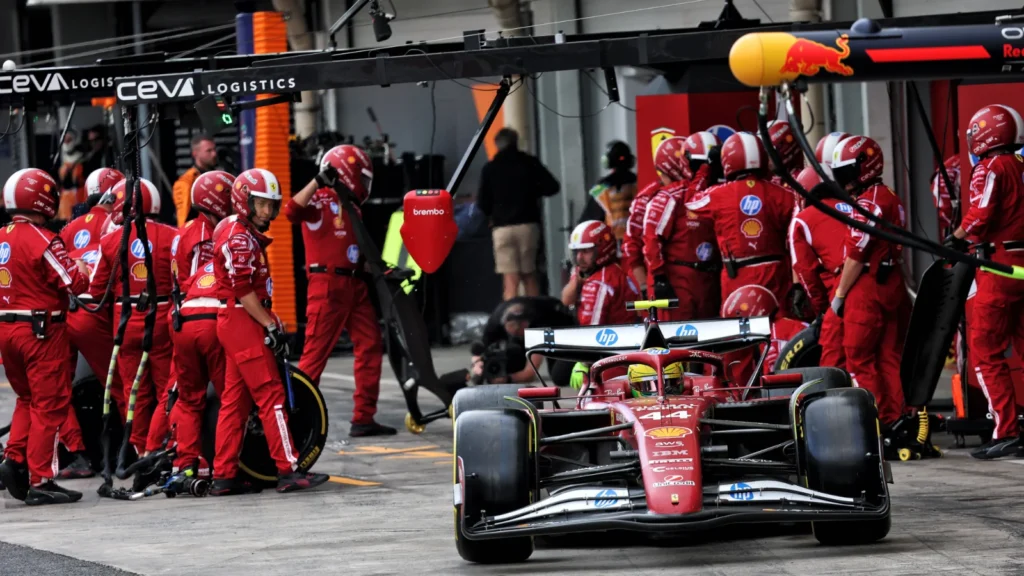
In the live dealer casino model, video, statistics, and user inputs move through a single, tightly integrated pipeline. Racing teams could adopt a comparable approach by consolidating telemetry and video feeds into unified systems.
This enables pit crews and the teams’ technical management to respond faster and with greater confidence and oversight. Some modern trackside servers already hint at this convergence, suggesting the shift is both feasible and overdue.
Resilient, high-availability system design under pressure
Over in casino operations, downtime is simply not an option. Online casinos with live dealer backends rely on layers of backup. These include mirrored cameras, failover switches and relentless health-checks, guaranteeing that customers never miss a hand. No matter what happens on the table.
Motorsport engineers, likewise, get this pressure. Double telemetry feeds, fallback loggers, redundant timing plus the servers back at the teams’ home base, are constantly updated, all with the goal of never letting one glitch letting the team down and ruining everything.
The habit of running constant health drills before race day? That’s borrowed straight from casino live operations. More than just insurance, these systems are the backbone of the operation and foster trust throughout the team.
Suddenly, teams feel safer letting AI recommend a pit stop or spot a mechanical red flag. The result? Data loss disasters become rare, systems stay glued together under chaos, and the pit wall can focus on achieving success, not firefighting.
Human-machine interfaces and operational dashboards
Casino with Live Dealers platforms equip dealers, supervisors, and AI systems with dashboards to monitor anomalies, flag suspicious activity, and guide instant human arbitration when required. Everything gets logged for audit and review. Formula 1 teams can mirror this framework in the pit.
Strategy rooms become digital control pits with real-time operator interfaces surfacing risks: unusual tire wear, outlier driver biometrics, possible rule breaches. Stripped-down, tiered alerting systems shift the team’s attention from data-gathering to actionable decision-making, critical with tactics such as undercuts and split strategies.
The role of a “pit boss” (or trackside Operations Director) could emerge, empowered with casino-style oversight tools to accept, pause, or override algorithmic suggestions with transparent, logged justifications. This approach tightens up reaction times and consistency, as already observed in live-betting environments processing hundreds of decisions each minute.
Personalisation and the future of fan engagement
Casino operators have now become personal with customized camera feeds, overlays, even mini games running alongside the main action for thousands of players at once. Racing still feels almost behind, with standard TV feeds and basic streaming, leaving little room for choose-your-own-action. But the thing is, all that interactive technology currently exists and is ready-made for motorsport.
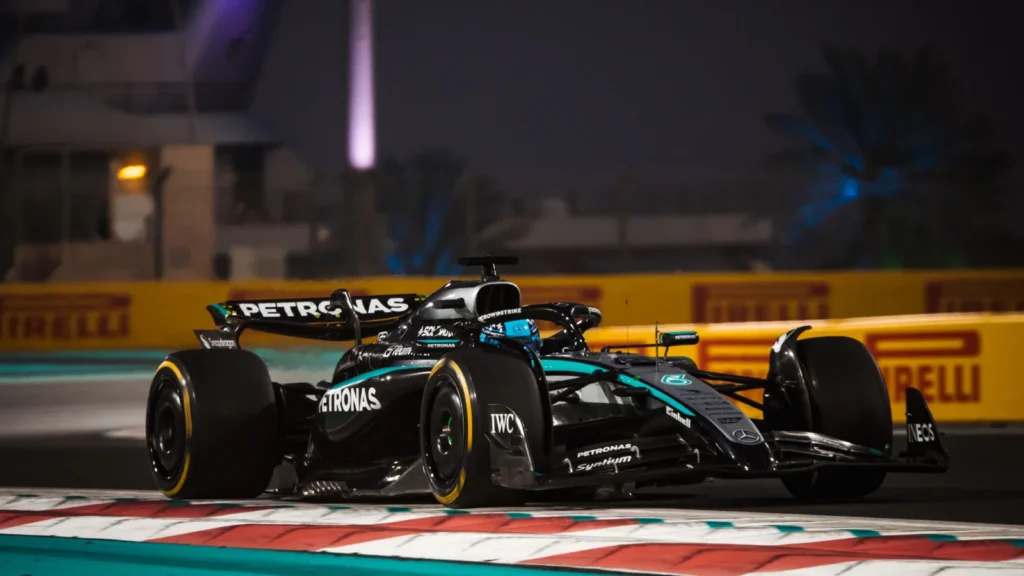
The same personalization techniques used in live dealer casinos could allow fans to select onboard views, compare drivers, track strategies, or engage with predictive tools during races.
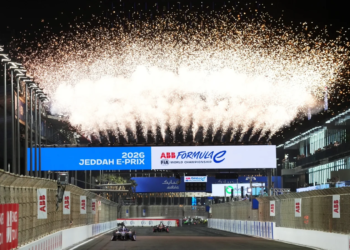
This level of interactivity deepens engagement, increases partnership and sponsorship value, keeping audiences invested throughout an event. Early experiments in Formula E already show the potential of this approach.
Responsible and sustainable technology adoption
But motorsport can’t just copy and paste live casino tech. Transparency comes first, with teams and broadcast platforms having to make sure fans understand how the data is used. This will also keep live interaction well away from anything that could influence official team tactics. The push for robustness and fairness shouldn’t take a back seat to speed or novelty.
By following the standards, it will keep fans and the integrity of sport top of everyone’s mind, and the entire fan base will benefit. Done right, these digital pivots could make racing smarter, sharper, and far more enjoyable for fans to watch.