
The introduction of IndyCar’s new standardised aerokit means that whatever advantage either of the manufacturers had managed to build with their own aerodynamic components in the last couple of seasons is now gone. This leaves the looming question of who gained the most from this change in regulations.
Given that Chevy-powered teams won the championship every year since the introduction of specific aerokits in 2015 with their flagship partner team Penske dominating the standings in that same period, it’s easy to point the Detroit manufacturer as the biggest loser in this move for performance parity.
"With an even field now with the aerokit, the competition to Honda last year had a very big advantage on the high-downforce circuits like road courses, street courses and short ovals”, said series veteran Scott Dixon speaking to Autosport. "It's definitely going to be a shift that will hurt them more than Honda."
Between 2015 and 2017, Chevy’s victory tally was more than double of Honda’s. From 49 events, the Japanese manufacturer managed 15 wins to Chevy’s 34. However, this dominance over the series did not translate at its showpiece event. Honda took the last two Indy 500s with Alex Rossi and Takuma Sato while Chevy’s last win at the Brickyard came in 2015 with Juan Pablo Montoya.
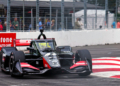
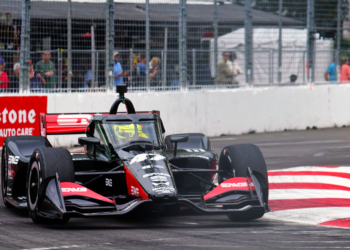
Despite the equalising effect of the new aerokit, engine differences are still very much at play.
"I would say prior to Pocono last year, Honda had an engine advantage," said Andretti driver Ryan Hunter-Reay. "But I'd say the competition is very close on power right now. They made some gains on us over the final few races of last season. St Pete's track looks like it should give us a clue on how the engines stack up relative to each other."
"But power-down out of the hairpin onto the straight can come down to driveability settings, bottom-end torque. Maybe we'll get some read there, but Indianapolis will be the better gauge”, concluded the 2012 series champion.

Discussion about this post